São Paulo's Paraíba Valley on High Fire Alert Amid Dry Conditions
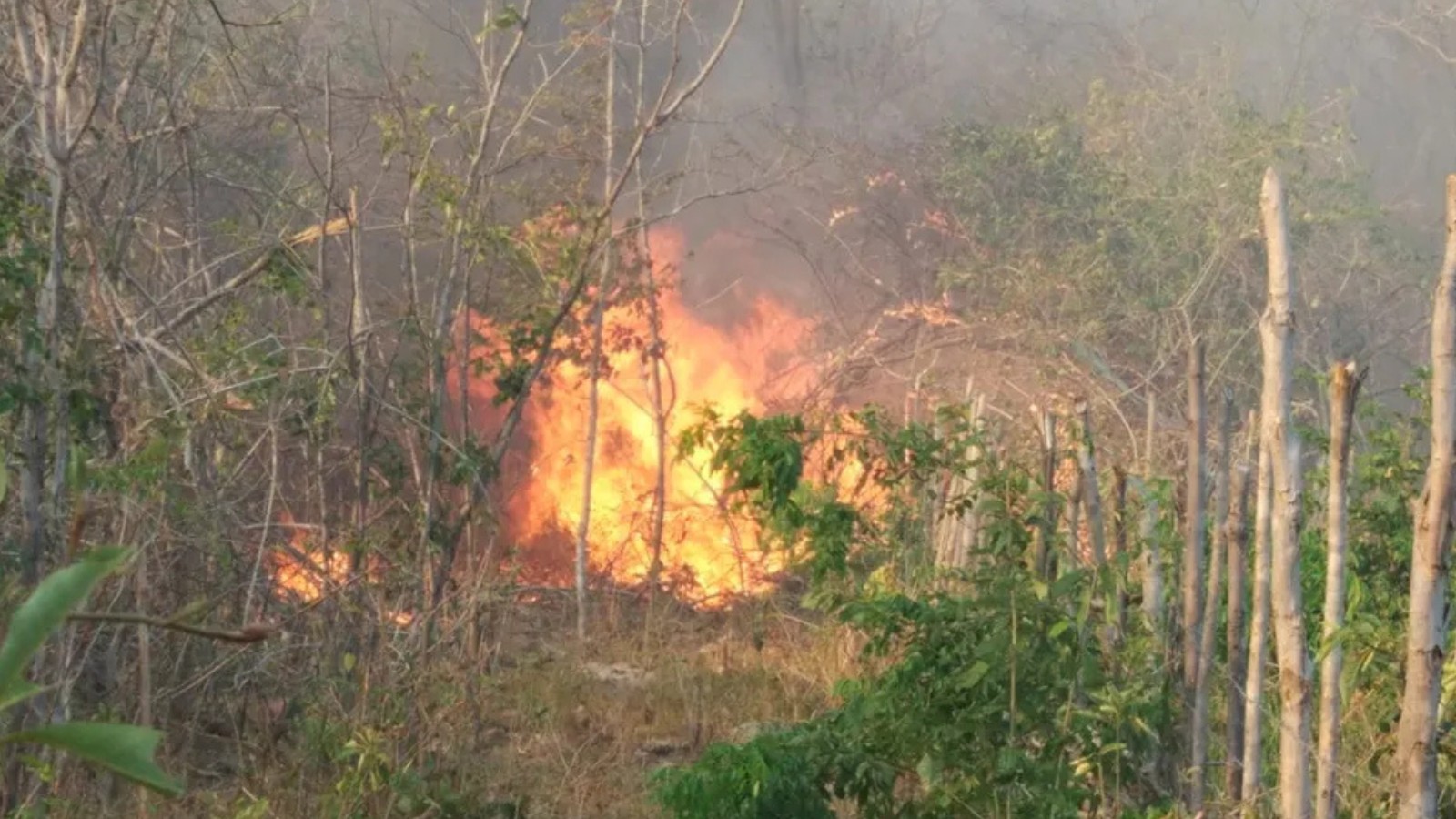
The Paraíba Valley and the Bragança region in São Paulo, Brazil, are under a heightened alert for fire risks due to prevailing dry weather conditions. The State Civil Defense has issued warnings indicating varying levels of risk from Saturday, June 1st, through the following week. Initially, on Saturday, the region was classified under a yellow alert. This risk level is expected to fluctuate between yellow and orange on Sunday, June 2nd. The situation is projected to become more critical between Monday, June 3rd, and Thursday, June 6th, with the Civil Defense map indicating potential for yellow, orange, and red alert levels. These alerts are attributed to meteorological factors conducive to the ignition and spread of fires, including prolonged dry spells, low relative humidity, and desiccated vegetation. The period from June to October is generally considered the most critical for fires in São Paulo state due to reduced rainfall and drought. The Civil Defense notes that a significant majority of forest fires in the state originate from human activities, such as burning trash, land clearing, and the improper disposal of cigarette butts. Residents are strongly advised to avoid any actions that could spark fires in vegetated areas, especially during these high-risk periods. Recommendations include refraining from burning vegetation or trash, not discarding cigarette butts in dry areas, avoiding bonfires near green spaces, and prohibiting the release of balloons, which is considered an environmental crime.
The current fire alert in São Paulo's Paraíba Valley highlights the recurring vulnerability of regions experiencing seasonal dry periods, exacerbated by human activity. While meteorological conditions are a primary driver, the Civil Defense's emphasis on human-caused fires points to a systemic challenge in public awareness and enforcement regarding land management and waste disposal. Future strategies may benefit from integrating advanced meteorological forecasting with localized risk assessments, potentially leveraging AI for predictive modeling of fire ignition points. Furthermore, exploring incentives for responsible land use and waste management, alongside stricter enforcement of environmental regulations, could mitigate the recurrent risks. The long-term challenge involves fostering a culture of environmental stewardship that transcends immediate weather concerns, particularly as climate change may intensify dry seasons.
AI-generated to prompt reflection — not editorial opinion, not advice, not a statement of fact. How this works.