São Paulo's Trianon Park Debuts First Restaurant Amidst Visitor Division and Tree Removal
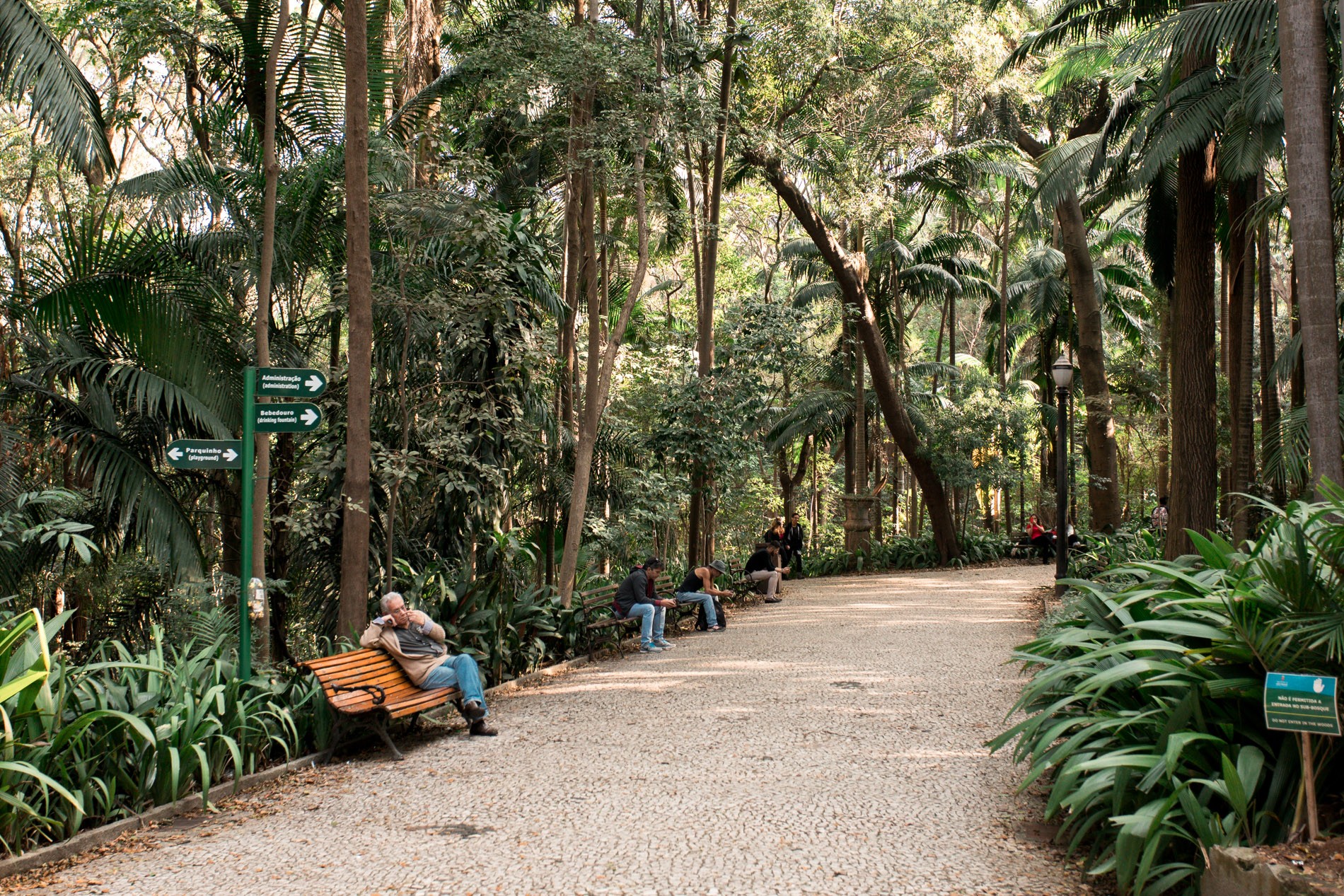
São Paulo's historic Trianon Park, a preserved Atlantic Forest remnant in the city center, is introducing its first-ever restaurant, sparking divided opinions among visitors. The 400-square-meter establishment, designed to accommodate up to 150 people, is under construction near the former Administrator's House as part of a broader park revitalization project managed by the Consórcio Borboletas since 2022. To facilitate the construction, four trees, including an 18-meter canelinha, were felled with environmental agency authorization. The concessionaire and the São Paulo Prefecture state that 40 native saplings will be planted as environmental compensation, and the restaurant's footprint will occupy less than 1% of the park's nearly 50,000 square meters. Visitors like systems analyst Daniel Candoti acknowledge potential benefits but lament the tree removal, while others, like pasteleira Janete França, see the restaurant as a positive addition to the park experience. Conversely, autonomous worker Regivan França opposes the restaurant, fearing increased noise and mess in a space he believes should remain dedicated to quiet contemplation and preservation. Student Sophie França suggests a balance between necessary modernization and conservation is achievable. The Municipal Secretariat for the Environment (SVMA) confirmed the project's approval by historical heritage preservation bodies and highlighted other planned improvements, including the renovation of playgrounds, an outdoor gym, restrooms, a fountain, sculptures, lighting, and pathways.
The introduction of commercial amenities like a restaurant into a protected natural space like Trianon Park presents a classic urban planning dilemma. While proponents may cite increased accessibility, revenue generation, and enhanced visitor experience, critics rightly raise concerns about ecological impact, noise pollution, and the potential erosion of the park's primary function as a sanctuary for nature and quiet reflection. The decision to remove trees, even with compensatory planting, highlights the inherent tension between development and preservation. Future park management strategies will need to carefully balance the economic incentives of commercialization against the long-term ecological and social value of preserving urban green spaces. The success of this project will likely hinge on the effectiveness of mitigation measures and the ongoing dialogue between developers, city officials, and the community to ensure the park's unique environmental and cultural heritage is sustained for future generations.
AI-generated to prompt reflection — not editorial opinion, not advice, not a statement of fact. How this works.