São Paulo's Vale do Paraíba region braces for heatwave with temperatures potentially reaching 30°C
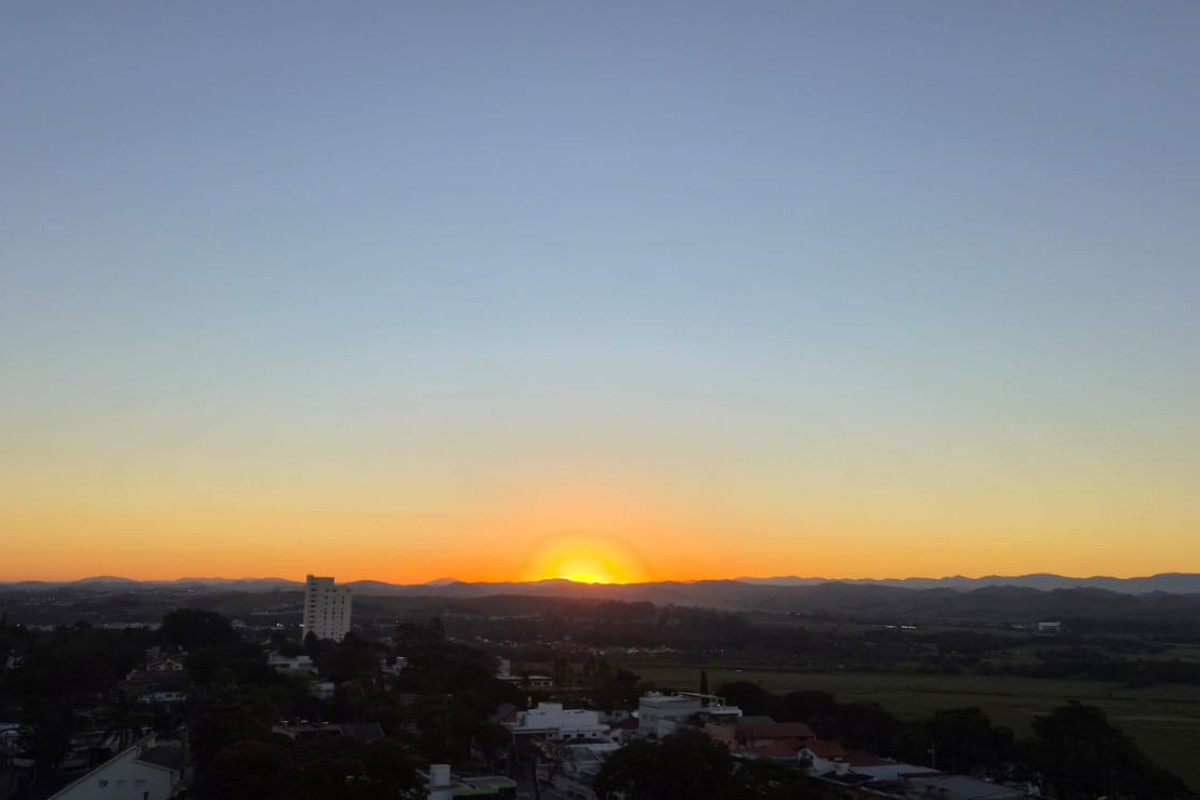
The Civil Defense of São Paulo state has issued an alert for a heatwave, or "veranico," expected to affect much of the state, including the Vale do Paraíba region, from Saturday, November 18th, to Friday, November 24th. This phenomenon will bring above-average temperatures and low humidity following a period of cooler weather. The alert indicates that an atmospheric blocking pattern will contribute to predominantly dry conditions. While mornings are expected to remain mild, afternoons will become significantly warmer, leading to a wider daily temperature range.
Meteorologist Guilherme Borges explained that a mass of warm air is driving this shift. The average July temperature in São José dos Campos is around 22°C, but forecasts suggest thermometers will reach between 25°C and 27°C, with potential peaks of 30°C in some parts of the Vale do Paraíba. In addition to the heat, the Civil Defense is warning about relative humidity levels potentially dropping below 30% in many areas, increasing the risk of respiratory issues and vegetation fires. Although humidity in the Vale do Paraíba is expected to remain slightly higher, the warm air mass is predicted to prolong the dry spell throughout the weekend and into early next week. Civil Defense advises the public to stay hydrated, avoid strenuous outdoor activities during the hottest parts of the day, and refrain from open burning due to the heightened fire risk.
This alert highlights the vulnerability of regions like Vale do Paraíba to extreme weather events, exacerbated by atmospheric blocking patterns. The projected temperature increase and significant drop in humidity underscore the systemic risks of heat stress on public health and the increased likelihood of wildfires. As climate systems become more volatile, such "veranicos" may become more frequent and intense, necessitating proactive public health strategies and robust fire prevention measures. The interplay of warm air masses and dry conditions presents a recurring challenge for regional governance, requiring adaptive planning to mitigate both immediate health impacts and long-term environmental degradation.
AI-generated to prompt reflection — not editorial opinion, not advice, not a statement of fact. How this works.