São Paulo Schools Replace Alarms with Music for Sensory Inclusion
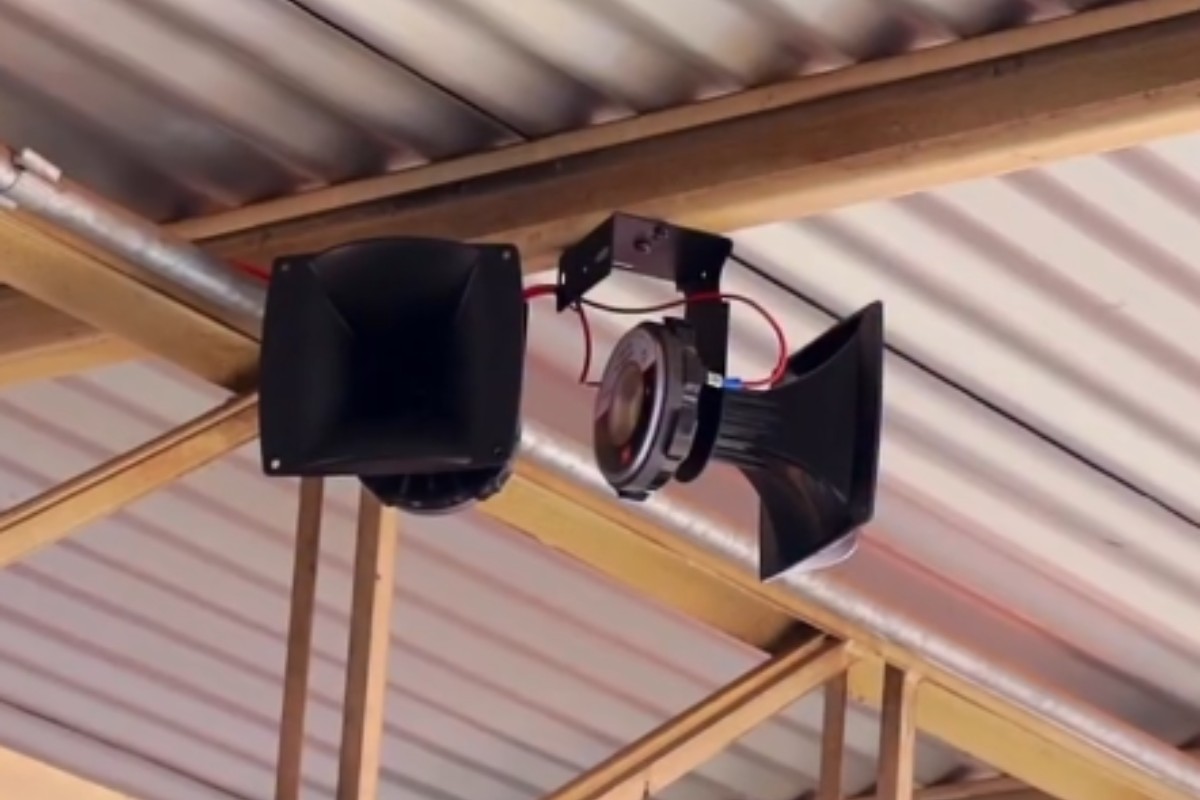
Three municipal schools in Junqueirópolis, São Paulo, have replaced traditional sirens with musical melodies to accommodate students with sound sensitivity. This initiative, announced by the prefecture on Tuesday, October 22nd, aims to create a more inclusive environment, particularly for the 87 neuroatypical children currently enrolled in the municipal school system. The change was implemented to address the discomfort that loud alarms can cause for children with sensory sensitivities, such as those with Autism Spectrum Disorder (ASD). Maria Edna do Rosário Bonancim, Director of Education, emphasized the positive impact of this innovative approach, noting the students' animated and joyful reactions to the musical signals. Neuropsychologist Aline Tanaka explained that auditory hypersensitivity can cause intense discomfort, anxiety, and even overload in individuals, leading them to cover their ears in noisy environments. Tanaka highlighted that creating inclusive environments by reducing noise, respecting needs for breaks, and avoiding judgment is crucial for the well-being and quality of life of neuroatypical individuals. She stressed that true inclusion involves understanding individual needs and providing conditions for comfortable, safe, and respectful participation in the world. This approach contrasts with simply treating everyone the same and focuses on adapting environments to individual perceptions and requirements.
This initiative in Junqueirópolis reflects a growing awareness of neurodiversity and the need for adaptive educational environments. By replacing jarring alarms with musical signals, the schools are addressing a specific sensory challenge faced by students with conditions like ASD. This proactive approach moves beyond mere compliance, demonstrating a commitment to fostering genuine inclusion by modifying environmental stimuli. Such systemic adjustments, driven by an understanding of sensory processing differences, can significantly reduce anxiety and improve learning conditions for a substantial portion of the student population. The long-term implications suggest a broader shift in public spaces, where sensory-friendly design principles may become increasingly integrated to accommodate a wider range of human needs, thereby enhancing overall societal well-being and participation.
AI-generated to prompt reflection — not editorial opinion, not advice, not a statement of fact. How this works.