São Paulo Sees Over 5 Pedestrian Deaths in Under 24 Hours
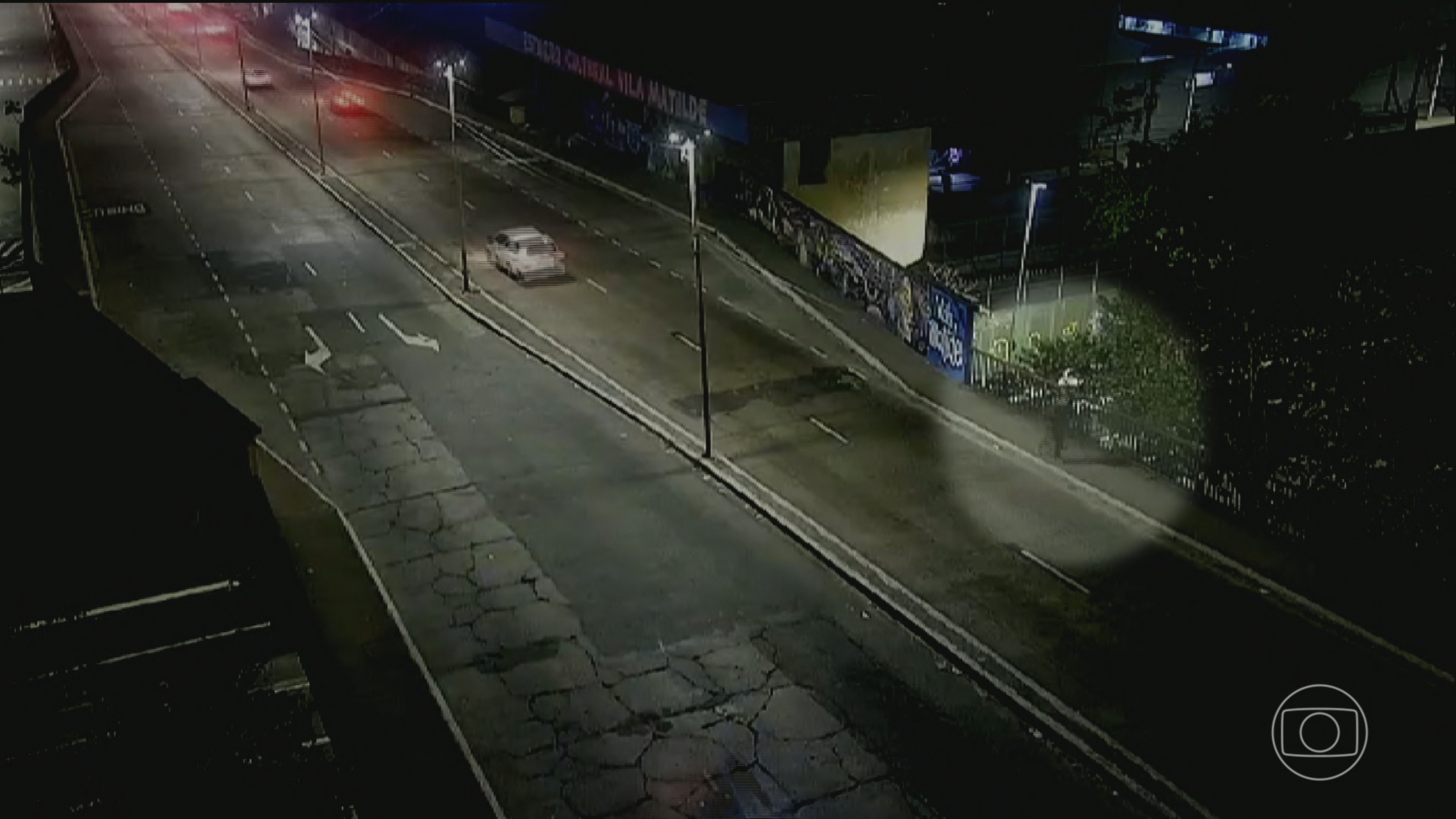
São Paulo experienced a surge in pedestrian fatalities, with over five deaths reported in less than 24 hours between Sunday, August 2nd, and Monday, August 3rd. Among the victims was a couple, Nilson Leite Batista, 56, an electrician, and Maria Gorete Saraiva, 58, who were walking home on a sidewalk after work. They were struck by a drunk driver, Giuliano Franco Fontes, 24, who had a suspended license due to excessive points and was driving under the influence of alcohol. Fontes, who refused a breathalyzer test but was confirmed to be intoxicated by clinical examination, has been indicted for double homicide. This incident follows a pattern of recent fatal accidents involving drunk drivers in São Paulo. On July 20th, Paulo César Ribeiro, also intoxicated and without a license, fatally struck Raelly Oliveira and fled the scene. Three days later, Bruno Shimizu, 22, driving drunk, hit Sergeant Fábio Ferreira de Souza on a motorcycle while driving the wrong way; Shimizu had previously caused another motorcyclist's death at age 17. Last week, Guofang Huang, while drunk, fatally struck street cleaner Diego Rafael and faces charges of doubly qualified homicide. Beyond alcohol-related incidents, three other fatal accidents occurred in Greater São Paulo on August 3rd, including one involving a 15-year-old girl. Pedestrian deaths in the state have remained relatively constant at around 1,300 annually since 2016, with a temporary decrease during the pandemic. Nationally, approximately 3,000 pedestrian deaths occur each year due to being run over since 2020. Legal expert Maurício Januzzi argues that Brazilian legislation lacks sufficient deterrents for drunk driving fatalities, suggesting that repeat offenders continue to drive under the influence because the legal consequences are not perceived as severe enough to prevent future incidents.
The recent spate of pedestrian fatalities in São Paulo, particularly those involving intoxicated drivers, highlights a persistent public safety challenge. While specific incidents are tragic, the recurring nature of these events suggests systemic issues in traffic law enforcement and societal adherence to regulations. The analysis by legal expert Maurício Januzzi points to a potential disconnect between legislative intent and practical outcomes, where penalties may not sufficiently deter dangerous behaviors like drunk driving. This situation raises questions about the effectiveness of current legal frameworks in curbing recidivism and ensuring accountability. Looking ahead, the integration of advanced driver-assistance systems and stricter enforcement mechanisms, potentially augmented by technology, could offer avenues to mitigate such risks. Furthermore, a broader societal dialogue on the value of pedestrian safety and the collective responsibility to prevent impaired driving is crucial for fostering a culture of compliance and reducing preventable loss of life.
AI-generated to prompt reflection — not editorial opinion, not advice, not a statement of fact. How this works.
