São Paulo Senate Race: Silva and Tebet Lead in New Poll
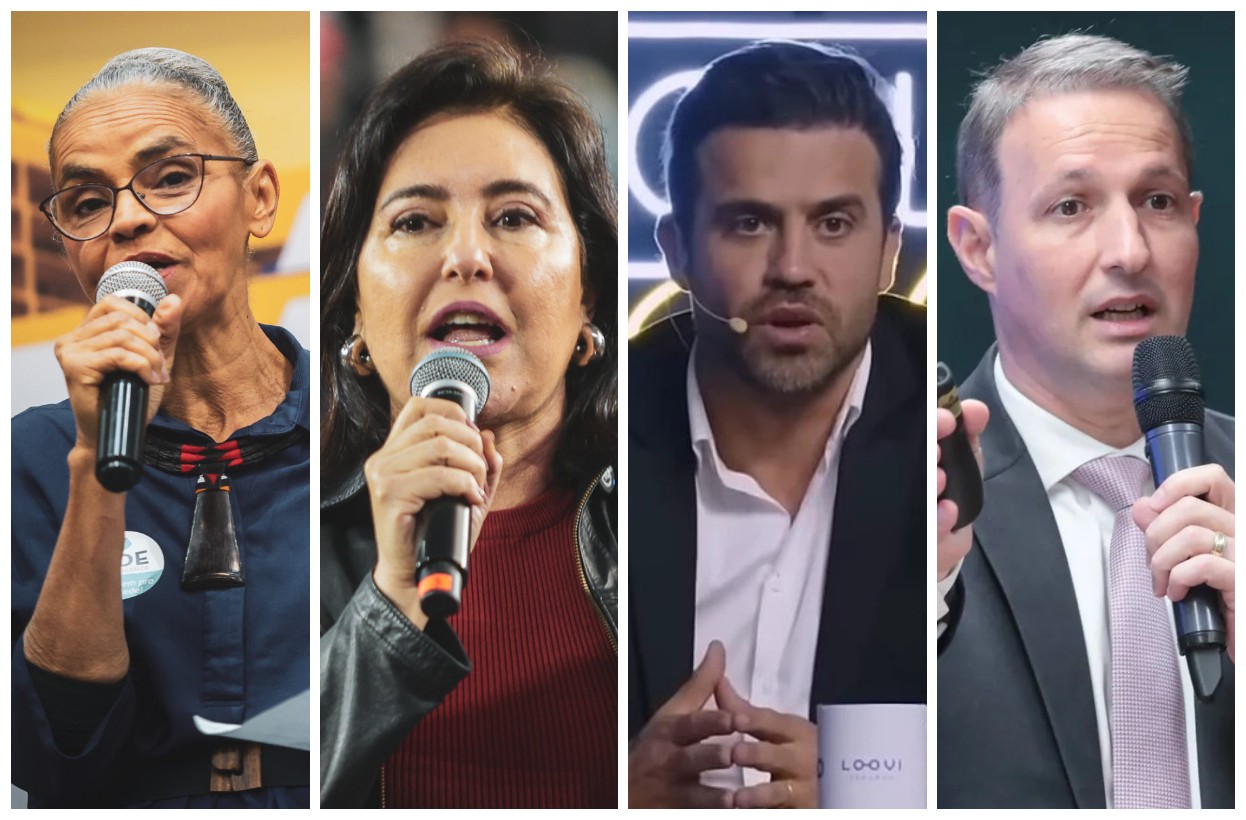
A recent Quaest poll released on Wednesday, July 29th, indicates that Marina Silva (Rede) and Simone Tebet (PSB) are currently leading the race for the two available Senate seats in São Paulo. These positions will be contested in the October elections, alongside those for governor, president, and state and federal deputies. In the poll, Silva garnered 14% of voter intentions, with Tebet closely following at 12%. Pablo Marçal (União Brasil) is in third place with 9%, followed by Guilherme Derrite (PP) at 7%. The survey also included other candidates such as André do Prado (PL) with 5%, Paulinho da Força (Solidariedade) and Ricardo Salles (Novo) both at 4%, and Robson Tuma (Republicanos) at 3%. José Aníbal (PSDB) registered 1% in one scenario. A significant portion of voters, 21%, remain undecided, while 20% indicated they would vote blank, null, or not vote at all. The poll further revealed that 54% of voters are open to changing their minds, compared to 44% who consider their vote definitive. The survey was commissioned by Genial Investimentos, interviewing 1,650 eligible voters aged 16 and over between July 23rd and 27th. It has a margin of error of 2 percentage points and a 95% confidence level, and is registered with the Electoral Justice.
This poll highlights the dynamic nature of electoral contests, particularly with a substantial percentage of undecided voters and those open to changing their choice. The leading candidates, Marina Silva and Simone Tebet, hold a narrow advantage, suggesting that campaign strategies and external events in the coming weeks could significantly influence the final outcome. The relatively low support for other candidates indicates a potential concentration of votes around the frontrunners, but also presents an opportunity for challengers to gain traction. The high number of undecided voters underscores the importance of voter mobilization and persuasion efforts in the remaining campaign period. Future analyses should monitor shifts in voter sentiment and the effectiveness of different campaign messaging as the election approaches.
AI-generated to prompt reflection — not editorial opinion, not advice, not a statement of fact. How this works.