São Paulo Shelter for Immigrant Women Faces Closure as City Contract Expires
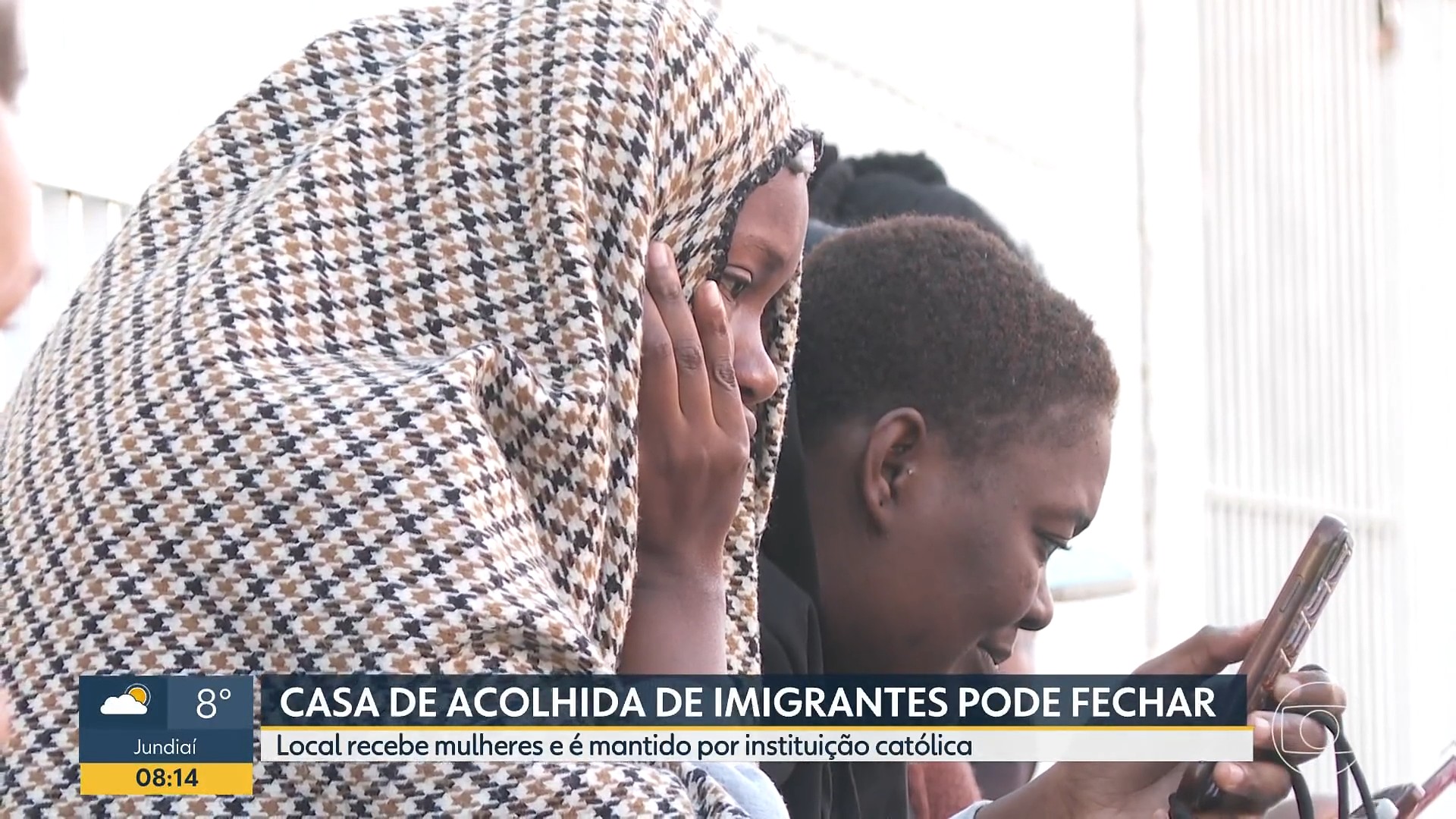
An immigrant and refugee women's shelter in the Penha district of São Paulo's East Zone is at risk of closing its doors. Residents were reportedly informed they must leave by Tuesday, the 14th, when the contract between the city hall and the responsible institution expires. This facility, operational since 2006 and managed by the Congregation of the Pallottine Sisters in partnership with the municipality, provides temporary housing to women fleeing war, violence, or extreme poverty from countries including Angola, the Democratic Republic of Congo, and South Africa. The current contract, signed in January, allocates R$ 182,000 monthly to support up to 80 women. The impending contract termination has caused significant anxiety among the residents, with some stating they were told the service would cease. One pregnant Angolan woman, who arrived with her 8-year-old daughter just days prior, claims she was informed of the potential closure shortly after arriving. This situation echoes a previous instance in December, where a court order prevented the city from closing another immigrant shelter, mandating the continuation of services under existing terms with a daily fine of R$ 30,000 for non-compliance. The city appealed, but the ruling was upheld in March. The Center for Support and Pastoral Care for Migrants (Cami) is monitoring the situation, concerned about vulnerable women becoming unsupported. The Municipal Secretariat of Assistance and Social Development stated that the managing organization chose not to renew the service due to the contract's end, and the secretariat is working to relocate families. The Congregation of the Pallottine Sisters indicated that their continued operation is entirely dependent on municipal funding, and without it, they are compelled to cease services.
The potential closure of this immigrant women's shelter highlights a critical tension between municipal budget cycles and the ongoing need for social services. The city's stated intention to reorder families suggests a procedural response to contract expiration, yet the Pallottine Sisters' reliance on municipal funds indicates a structural dependency that may not align with the city's long-term commitment to such vulnerable populations. The legal precedent set in December, which mandated the continuation of similar services, raises questions about the city's adherence to judicial directives and the efficacy of such protective measures when faced with funding constraints or administrative decisions. This situation underscores the systemic challenge of ensuring stable, long-term support for migrant and refugee populations, particularly women and children, within evolving urban governance frameworks. Future policy discussions might consider more robust, multi-year funding models or alternative partnership structures to safeguard essential services against the volatility of annual contract renewals.
AI-generated to prompt reflection — not editorial opinion, not advice, not a statement of fact. How this works.