São Paulo Sidewalks: 88% Lack Adequate Pedestrian Infrastructure, Study Finds
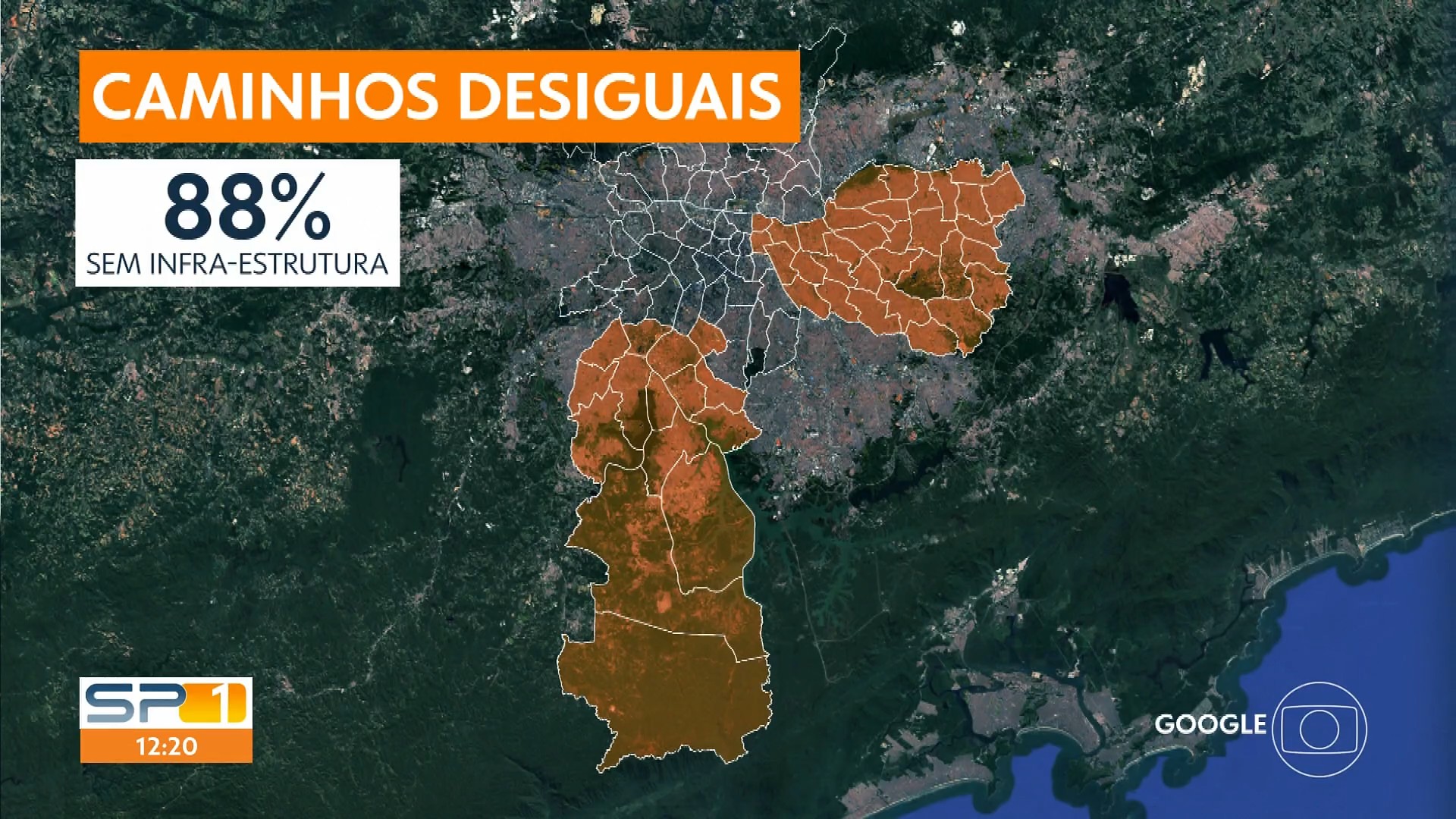
A recent study reveals that a staggering 88% of sidewalks in São Paulo, Brazil, lack adequate infrastructure for pedestrians, impacting nine out of every ten streets in the capital. The research, titled "Differences in the microenvironment for physical activity in leisure and commuting in São Paulo" and published in the USP's Public Health Journal, highlights that residents in the southern and eastern zones are most affected by these deficiencies. These areas exhibit the poorest urban aesthetics, fewest pedestrian amenities, and lowest sidewalk quality scores. The study involved telephone interviews and online mapping of identified issues, surveying 1,434 adults across 1,205 addresses, representing approximately 10 minutes of walking distance. Specific complaints frequently cited by residents, particularly concerning step height and sidewalk inclination on steeper streets, limit mobility, especially for the elderly and those with physical challenges. Beyond infrastructure problems, issues like accumulated garbage, tree roots damaging pavement, and overgrown vegetation further impede pedestrian flow, often forcing people to walk in the street and increasing safety risks. The São Paulo city hall stated that sub-prefectures are responsible for sidewalk inspection and maintenance, responding to complaints via the 156 online and telephone service. While the law places sidewalk maintenance responsibility on property owners, the city has issued 2,650 notifications and 713 fines totaling nearly R$7 million this year. However, experts argue that individual property owner liability is insufficient. Urbanist Anderson Kazuo Nakano, a USP professor, emphasizes the need for a comprehensive, city-wide approach to sidewalk design and repair, focusing on continuous, level central pathways to ensure accessibility for all, especially given the city's aging population.
This study underscores a systemic challenge in urban infrastructure management, where the responsibility for sidewalk maintenance is fragmented between individual property owners and municipal authorities. While the city's enforcement actions, including notifications and fines, indicate an awareness of the problem, the persistent 88% deficiency suggests that current regulatory and enforcement mechanisms are insufficient to address the scale of the issue. The aging demographic further amplifies the urgency for universal accessibility, implying that a pedestrian-centric infrastructure strategy, viewing sidewalks as public thoroughfares rather than solely private property obligations, is crucial. Future urban planning must integrate long-term maintenance and accessibility standards into development and retrofitting projects to ensure equitable and safe mobility for all residents, aligning with the inevitable demographic shifts and technological advancements in urban living.
AI-generated to prompt reflection — not editorial opinion, not advice, not a statement of fact. How this works.