São Paulo-Sorocaba Intercity Train Project Edital Delayed to 2027, Operation by 2031
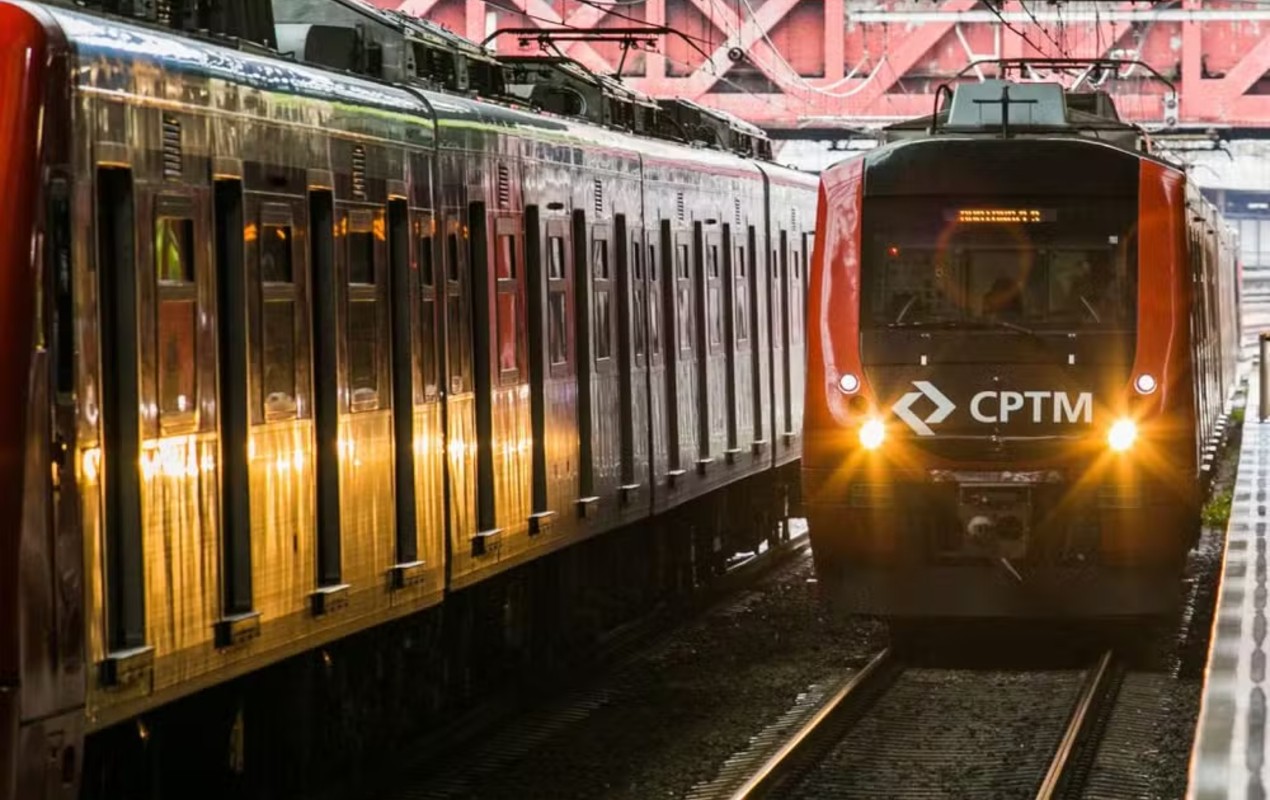
The bidding notice for the Intercity Train (TIC) Eixo Oeste, connecting São Paulo to Sorocaba in São Paulo state, Brazil, is now expected to be published in the first half of 2027. This adjustment follows technical improvements and incorporates feedback from public consultations and hearings held in 2025 and early 2026. The Secretariat of Investment Partnerships (SPI) stated that project timelines are subject to change as studies progress, which is typical for large-scale infrastructure projects. The operational launch is currently projected for 2031. The estimated investment for this public-private partnership (PPP) is R$ 11.6 billion, aligning with the route guidelines set by the São Paulo Metropolitan Trains Company (CPTM). The train aims to cover the distance between São Paulo and Sorocaba in 60 minutes, operating at a maximum speed of 140 km/h. Two service types will be offered: an express service directly connecting the two cities without intermediate stops, and a local (parador) service with stops at Sorocaba, Brigadeiro Tobias, São Roque, Amador Bueno (Itapevi), Carapicuíba, and Água Branca (São Paulo). The local service is expected to take approximately five minutes longer than the express. The estimated fare for the full journey is R$ 45, calculated on a per-kilometer basis.
The phased rollout of the São Paulo-Sorocaba Intercity Train, with its bidding notice delayed to 2027 and operation targeted for 2031, reflects the complex interplay of public consultation, technical refinement, and financial structuring inherent in major infrastructure projects. The R$ 11.6 billion investment, pursued through a public-private partnership, highlights the significant capital required and the reliance on private sector participation to realize such ambitious transit goals. The tiered service model, offering both express and local options with a distance-based fare, attempts to balance speed and accessibility for a diverse ridership. Future success will likely hinge on effective long-term demand management, operational efficiency, and the ability of the fare structure to remain competitive against alternative transport modes, particularly in the context of evolving urban mobility patterns and technological advancements over the next decade.
AI-generated to prompt reflection — not editorial opinion, not advice, not a statement of fact. How this works.