São Paulo State Confirms First Avian Flu Case in Wild Bird This Year
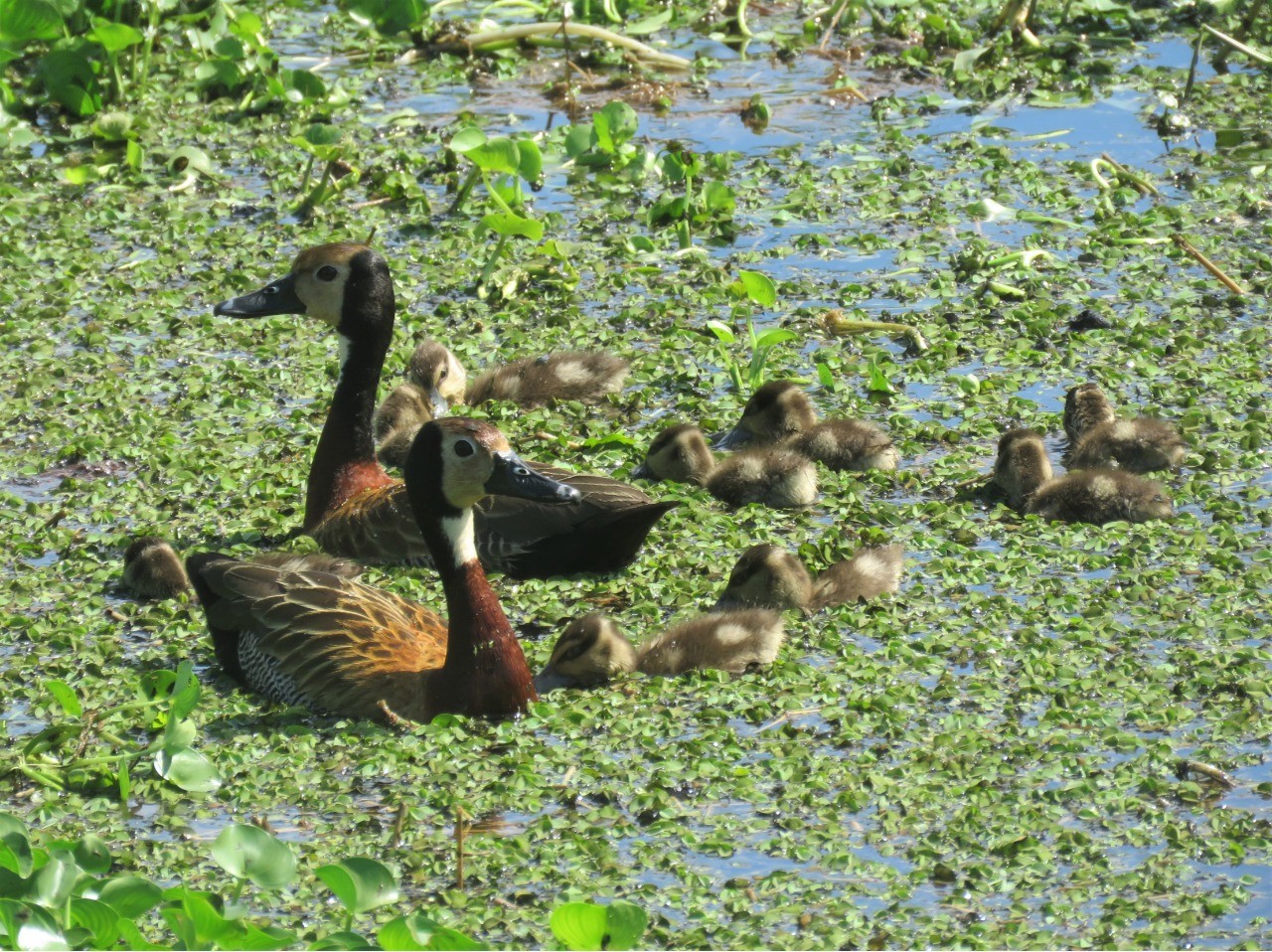
São Paulo state has confirmed its first case of highly pathogenic avian influenza (HPAI) this year, detected in a wild Irerê bird. The bird was rescued in an urban area and brought to the Guaíra zoo. The Federal Laboratory of Agricultural Defense (LFDA-SP) announced the positive diagnosis on Wednesday, the 15th. HPAI is a severe disease that can cause up to 100% mortality in birds. Agricultural Defense officials collected the sample on the 8th from the rescued Irerê, which was located in the municipality of Guaíra, under the Regional Department of Barretos. In response, Agricultural Defense has implemented sanitary measures, including restricting animal movement at the zoo, which primarily houses resident animals with low visitor traffic. Epidemiological investigations and active surveillance are also underway at three farms within a 10 km radius of the outbreak site. Two of these farms are currently in a sanitary downtime and have no birds on their premises. Technical guidance has been provided to responsible parties. The Agricultural Defense emphasizes that consuming poultry and eggs does not transmit the disease and urges the public to follow official veterinary service guidelines and avoid touching sick or dead birds. The State Health Secretariat (SES), in collaboration with the Secretariat of Agriculture and Supply (SAA) and the Secretariat of Infrastructure and Environment (Semil), is monitoring the avian flu situation. The SES developed and updated a contingency plan in 2023 and 2025, respectively, to coordinate actions for potential human influenza cases. To date, São Paulo state has not recorded any human cases of avian flu. The health department is also monitoring individuals involved in the notification of this specific case. Human infection typically occurs through direct contact with infected birds, so sick or dead birds should not be handled without personal protective equipment. Agricultural Defense should be contacted immediately if avian flu is suspected or dead birds are found.
This confirmation of highly pathogenic avian influenza in a wild bird in São Paulo state highlights the ongoing challenge of zoonotic disease surveillance and control. The prompt response by Agricultural Defense, including sanitary measures and surveillance of nearby farms, demonstrates established protocols for managing such outbreaks. The emphasis on safe handling of potentially infected birds and the assurance regarding food safety are crucial for public health communication. Looking ahead, the integration of human and animal health surveillance systems, often referred to as 'One Health,' will be increasingly vital. As avian populations interact with urban and agricultural environments, the potential for spillover events necessitates robust, cross-sectoral preparedness and rapid information sharing to mitigate both animal and potential human health risks in the coming decade.
AI-generated to prompt reflection — not editorial opinion, not advice, not a statement of fact. How this works.