São Paulo State Holiday: Service Disruptions in Itapetininga and Tatuí
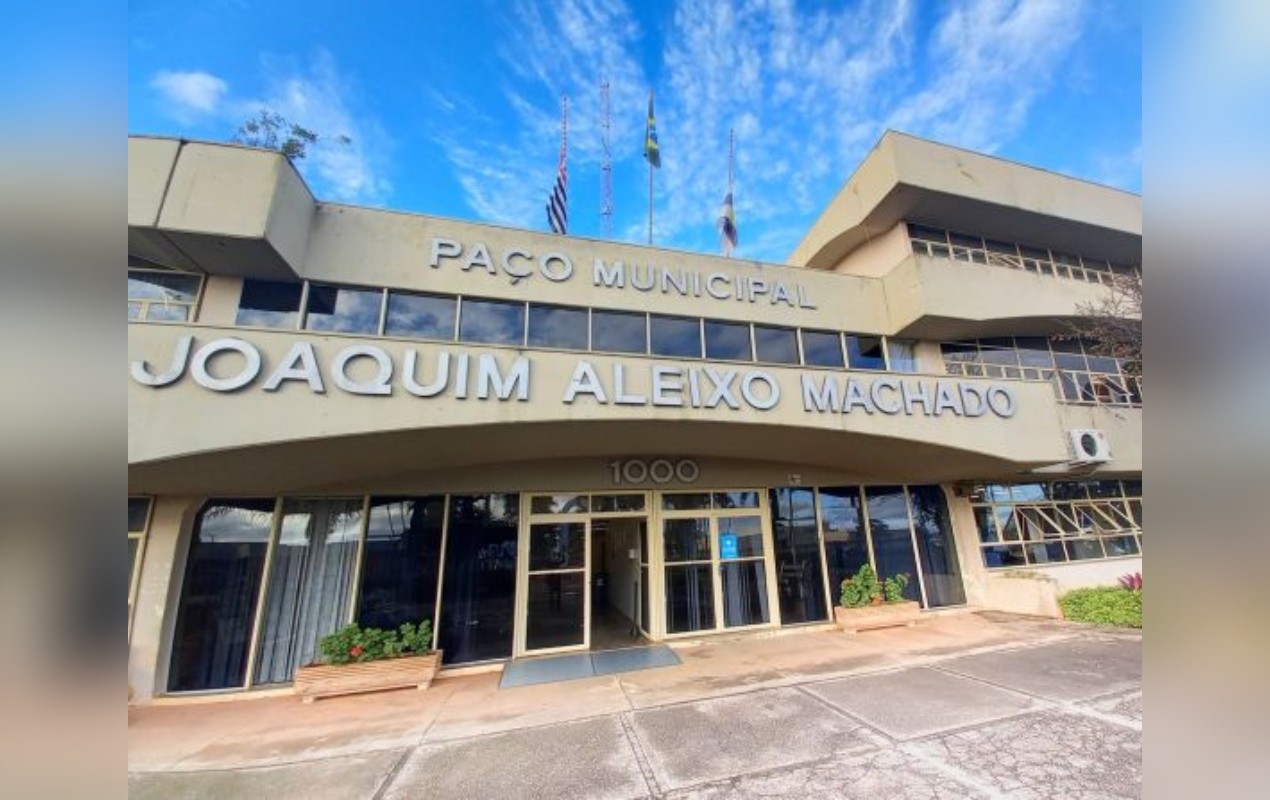
Municipalities in São Paulo state, specifically Itapetininga and Tatuí, have adjusted public service operations due to the state holiday commemorating the 1932 Constitutionalist Revolution on Thursday, July 9th. This holiday, observed since 1997, marks an armed uprising by São Paulo against Getúlio Vargas's provisional government. A "ponto facultativo" (optional holiday) on Friday, July 10th, extends the disruption, with many services not resuming until Monday, July 13th.
In Itapetininga, essential services like garbage collection, the Fire Department, SAMU, and the Municipal Emergency Room will operate normally. However, municipal public offices, certain health posts, the Municipal Pharmacy, and the municipal nursery will be closed. The Central de Agendamento de Transports (CAT) will operate until 5 PM on Wednesday, July 8th, for hospital and health service appointments. The SUS Pharmacy at Posto Genefredo will be open daily from 1 PM to 7 PM for medication pick-up with a valid prescription. The Voluntary Delivery Point (PEV) will operate on Friday, July 10th, and Saturday, July 11th, but will be closed on Thursday, July 9th, and Sunday, July 12th. Oxygen supply requests for July 9th, 10th, and 13th must be made by noon on July 8th.
Tatuí will suspend municipal office operations on Friday, July 10th, following the July 9th holiday. Essential services, including the Municipal Civil Guard, UPA, SAD, SAMU, garbage collection, street sweeping, traffic agents, security personnel, and inspectors, will function as usual. Public cemeteries and the municipal funeral home will also remain operational. The Tatuí Cultural Memory Complex, housing the Museum of Image and Sound and the Rugby Memorial, will be open for visits and tourist information daily from 9 AM to 5 PM, from July 9th to July 12th.
The observance of historical holidays and optional holidays, as seen in Itapetininga and Tatuí, highlights the ongoing tension between public commemoration and the demand for continuous public services. This practice, while respecting historical significance, can create logistical challenges for residents and businesses reliant on government functions. From a systems perspective, the need for essential services to operate during such periods suggests an evolving societal expectation for resilience and accessibility, even amidst official closures. Future governance models might explore more flexible or tiered approaches to holiday operations, balancing historical observance with the practical demands of a 24/7 society, potentially leveraging technology for remote access or critical service continuity.
AI-generated to prompt reflection — not editorial opinion, not advice, not a statement of fact. How this works.