São Paulo State Invests R$12 Million to Prevent Sand Erosion on Ilha do Cardoso
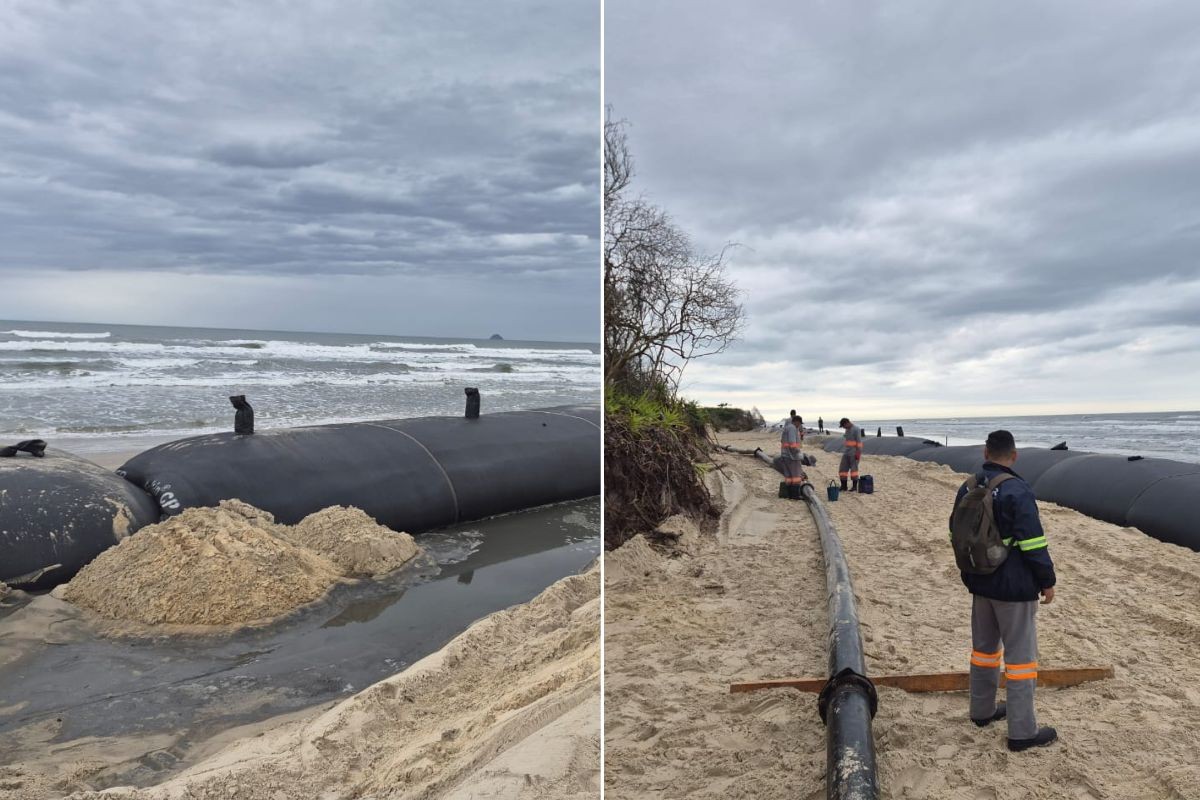
The São Paulo State Government has initiated a R$12 million project to combat coastal erosion on Ilha do Cardoso, located in Cananéia, São Paulo. This nine-month intervention aims to stabilize a critical section known as Estreito do Melão, which is experiencing significant sand loss. The project, a collaboration between the Florestal Foundation and SP Águas, will employ dredging techniques to remove and reposition sediment, thereby rebuilding and stabilizing the sandy ridge most affected by the region's coastal dynamics. Natural elements like wind and water are primary causes of erosion, but this phenomenon has been exacerbated on Ilha do Cardoso by rising sea levels and extreme weather events linked to climate change, according to Public Prosecutor Paulo Campos dos Santos. The initial phase involves placing geotubes along the ocean-facing side of the area, which will be filled with sand and are designed to have minimal environmental impact. These structures are intended to protect the sandy ridge from erosion and prevent a breach of the Estreito do Melão. A rupture here would severely impact northern communities, including Enseada da Baleia, Vila Rápida, and Marujá, as well as a mangrove complex, disrupting traditional fishing and navigation. The Ministry of Public Prosecution has monitored the project's procurement, conducting site visits with the Public Defender's Office, local community representatives, and state agency specialists. Community members view the project as a hard-won achievement after years of advocacy, emphasizing their deep connection to their territory and the importance of remaining in their ancestral homes. The project is expected to reduce risks and ensure the continuity of the traditional Caiçara way of life. A technical report from March highlighted an imminent risk of the Estreito do Melão breaking, with the land strip narrowing to approximately 50 meters in the most critical area, posing a threat of isolation for residents by 2026. In 2018, a previous breach altered the island's geography and led to the relocation of local communities.
This R$12 million state-funded intervention addresses the tangible impacts of climate change, specifically sea-level rise and extreme weather, on coastal infrastructure and traditional communities. The project's reliance on engineering solutions like dredging and geotubes highlights a pragmatic approach to mitigating immediate physical threats. However, it also raises questions about the long-term sustainability of such interventions against accelerating environmental pressures. The involvement of the Ministry of Public Prosecution and community representatives signifies a positive trend towards participatory governance in environmental management. Future considerations should explore integrated strategies that combine hard infrastructure with nature-based solutions and adaptive planning to build resilience for coastal communities facing ongoing climate shifts over the next decade.
AI-generated to prompt reflection — not editorial opinion, not advice, not a statement of fact. How this works.