São Paulo State Launches Vaccination Campaign Amid Measles Alert
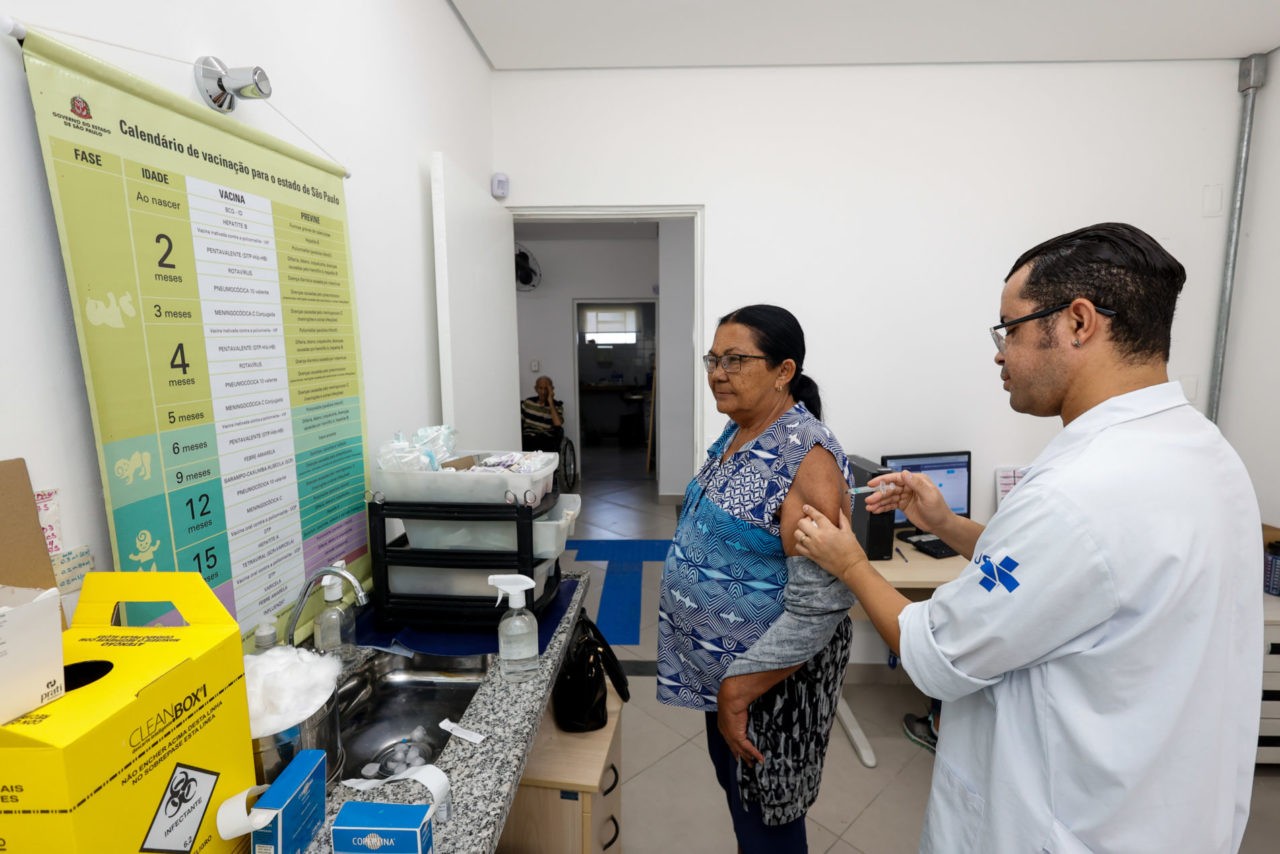
São Paulo state is launching a broad vaccination campaign across all its municipalities, which will run from August 3rd to September 1st. The "Multivacinação" campaign primarily targets children and adolescents up to 15 years old, aiming to update their vaccination records. This initiative is particularly relevant due to a recent measles alert issued for the São Paulo metropolitan region. Several interior cities, including Sorocaba, Itapetininga, Bauru, Presidente Prudente, and São José do Rio Preto, are participating. Specific vaccination sites and operating hours vary by city, with many Basic Health Units (UBSs) open during weekdays, some with extended evening hours. Sorocaba, for instance, offers vaccines at 33 UBSs from 7 AM to 7 PM and will also begin administering a second booster dose of the inactivated polio vaccine (VIP) for four-year-olds. Itapetininga's health units operate generally from 8 AM to 5 PM, with extended hours until 10 PM at two specific emergency care units. Bauru's facilities are open weekdays from 7:30 AM to 4:30 PM, while Presidente Prudente's UBSs and Family Health Strategies operate from 7 AM to 5 PM. São José do Rio Preto offers vaccines at its UBSs from 7 AM to 5 PM and at the North Region Pediatric Care Center until 6:30 PM. Parents or guardians must present the child's vaccination booklet and an ID document, preferably with a CPF. If the booklet is lost, health units will assess the vaccination status. The campaign addresses a statewide concern over vaccination coverage, with preliminary 2026 data from the State Health Secretariat showing coverage of 77.5% for the first dose and 65.5% for the second dose of the triple viral vaccine (measles, mumps, rubella), falling short of the Ministry of Health's 95% target. The triple viral vaccine is crucial for preventing measles, mumps, and rubella.
The São Paulo state government's proactive "Multivacinação" campaign, initiated in response to a measles alert and low vaccination coverage rates, highlights a critical public health challenge. The disparity between the Ministry of Health's 95% target and the state's preliminary 77.5% first-dose and 65.5% second-dose coverage for the triple viral vaccine underscores a persistent issue in achieving herd immunity. This situation reflects broader trends in vaccine hesitancy and access barriers that require sustained, multi-faceted public health strategies. Looking ahead, the effectiveness of such campaigns will depend not only on outreach but also on addressing underlying factors influencing parental decisions and ensuring equitable access to healthcare services across diverse communities within the state. The integration of routine vaccination updates with targeted disease-alert responses is a necessary, albeit complex, component of resilient public health infrastructure in the coming decade.
AI-generated to prompt reflection — not editorial opinion, not advice, not a statement of fact. How this works.