São Paulo State Lists 143 Municipalities with Low Citrus Greening Disease Incidence
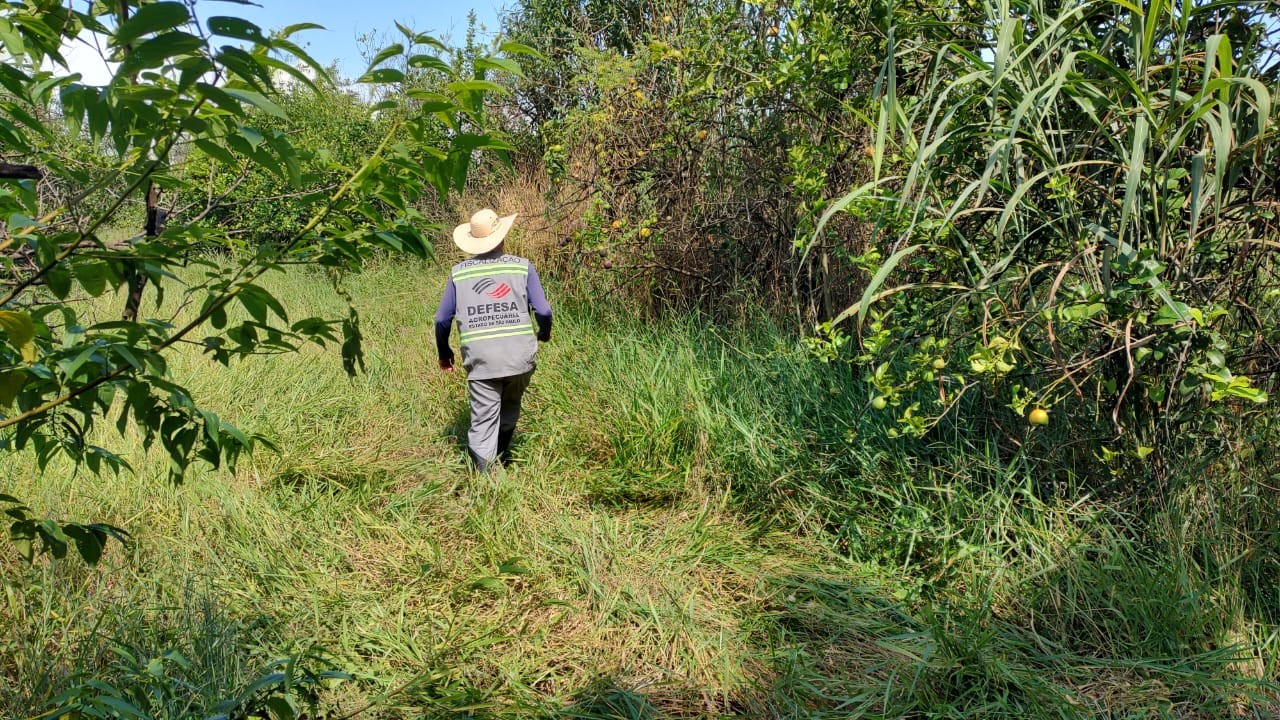
The São Paulo State Government has published a new ordinance, Defesa Agropecuária nº 46/2026, classifying 143 municipalities across the Presidente Prudente, Bauru, and São José do Rio Preto regions as having a low incidence of Huanglongbing (HLB), commonly known as citrus greening. This disease, which is incurable and transmitted by the psyllid Diaphorina citri, poses a significant threat to citrus orchards. The ordinance also provides guidelines for producers on disease prevention and control, regulating the existing Resolution SAA nº 32/2026.
The classification is based on semi-annual reports from producers, phytosanitary surveys by the Agricultural Defense agency, and validated technical studies. A key change in the regulations affects the mandatory eradication of infected plants. In areas designated with high incidence, producers are no longer required to eradicate adult trees showing symptoms; only plants up to three years old must be removed. However, in the newly classified low-incidence municipalities, all plants exhibiting greening symptoms, regardless of age, must be eradicated by the producer without compensation.
Producers are mandated to eliminate symptomatic plants and prevent regrowth. Control of the psyllid vector is also required using proven methods. The ordinance prohibits citrus properties from existing without disease and vector control measures, including bi-weekly monitoring of the psyllid, application of control methods, and inspection of plants. For non-commercial citrus plants or those in backyards, owners will be notified to remove symptomatic plants. Citrus fruits for fresh consumption must undergo brushing and processing to remove stems and leaves, with an exception for ponkan tangerines.
This government ordinance aims to manage the spread of citrus greening by differentiating regulatory requirements based on disease incidence across municipalities. By adjusting eradication protocols, the state seeks to balance agricultural productivity with disease containment. The policy incentivizes producers in low-incidence zones to maintain stricter controls, while potentially easing the burden on those in high-incidence areas to prevent widespread economic disruption. Future effectiveness will depend on consistent monitoring, producer compliance, and the development of more resilient citrus varieties or advanced pest control technologies to combat the disease and its vector over the next decade.
AI-generated to prompt reflection — not editorial opinion, not advice, not a statement of fact. How this works.