São Paulo State Offers Up to R$50,000 Emergency Credit to Farmers Affected by Storms
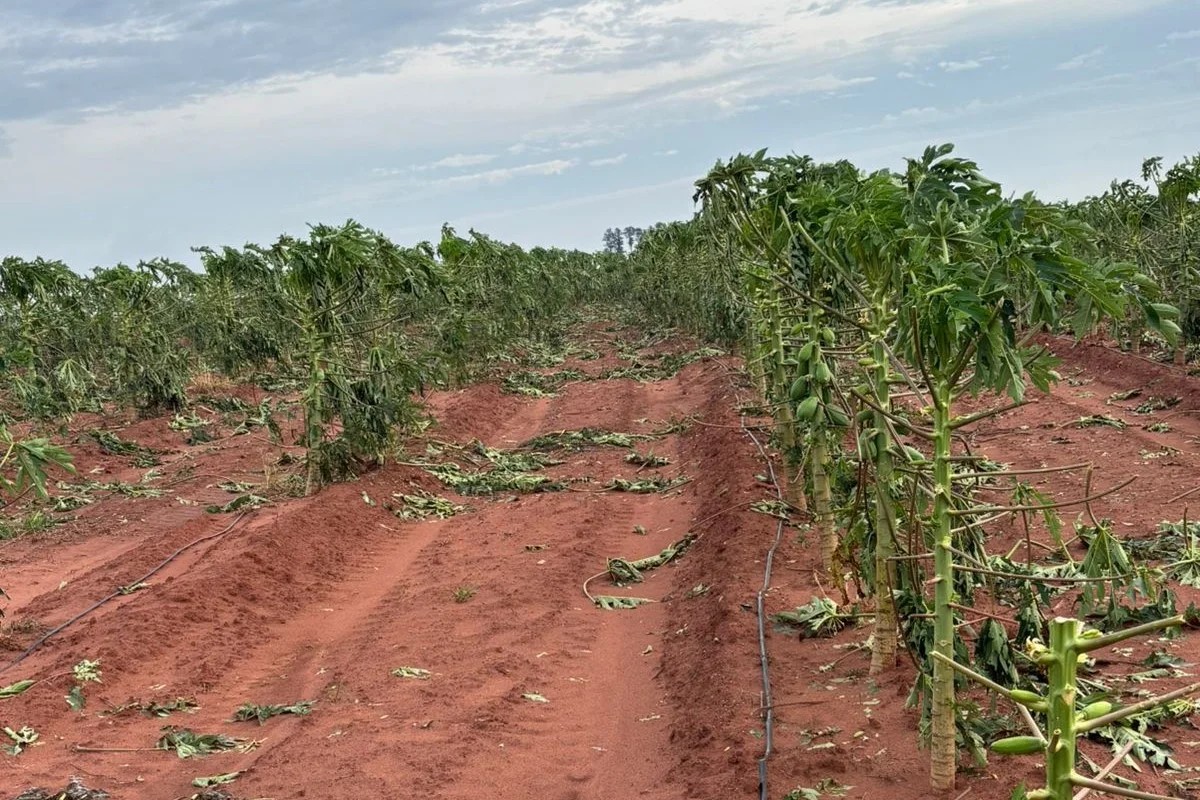
The Government of São Paulo State announced on Wednesday, May 8th, that it will provide emergency credit of up to R$50,000 to rural producers in Osvaldo Cruz who were impacted by severe weather events in the first half of this year. This financial aid is intended to help with the recovery of infrastructure and the re-establishment of agricultural production on affected properties. The program, integrated into the Paulista Agribusiness Expansion Fund (FEAP) under the Secretariat of Agriculture and Supply, will be available for applications starting next week.
The severe storm, which occurred in January, caused significant damage in Osvaldo Cruz, including fallen trees, flooded streets, and stranded vehicles. Public property also sustained damage, with the grandstand roof at the Municipal Stadium “Breno Ribeiro do Val” being compromised and the area subsequently isolated for safety reasons. According to the Directorate of Integral Technical Assistance (CATI), over 200 producers in Osvaldo Cruz and Guaratinguetá, another city eligible for this credit line, were affected.
Crops impacted in Osvaldo Cruz include coffee and papaya, while in Guaratinguetá, rice, milk, corn, and soy were affected. The emergency credit offers up to R$50,000 per producer with an annual interest rate of up to 3% and a repayment period of up to 36 months. Producers seeking to apply for this credit should contact their nearest CATI Agriculture House or the Institute of Lands of São Paulo (ITESP) office.
The São Paulo State government's emergency credit program addresses the immediate financial fallout from extreme weather events on agricultural producers. By offering low-interest loans for infrastructure and production recovery, the initiative aims to mitigate economic losses and support the resilience of the agricultural sector. This approach highlights a systemic recognition of climate-related risks within agribusiness, prompting questions about the long-term strategies for climate adaptation and risk management. Future policy considerations might include investments in resilient infrastructure, advanced weather forecasting, and diversified agricultural practices to buffer against increasingly frequent and intense weather phenomena, ensuring sustained food security and economic stability in the face of evolving environmental challenges.
AI-generated to prompt reflection — not editorial opinion, not advice, not a statement of fact. How this works.