São Paulo State on High Alert for Severe Winds Up to 90 km/h
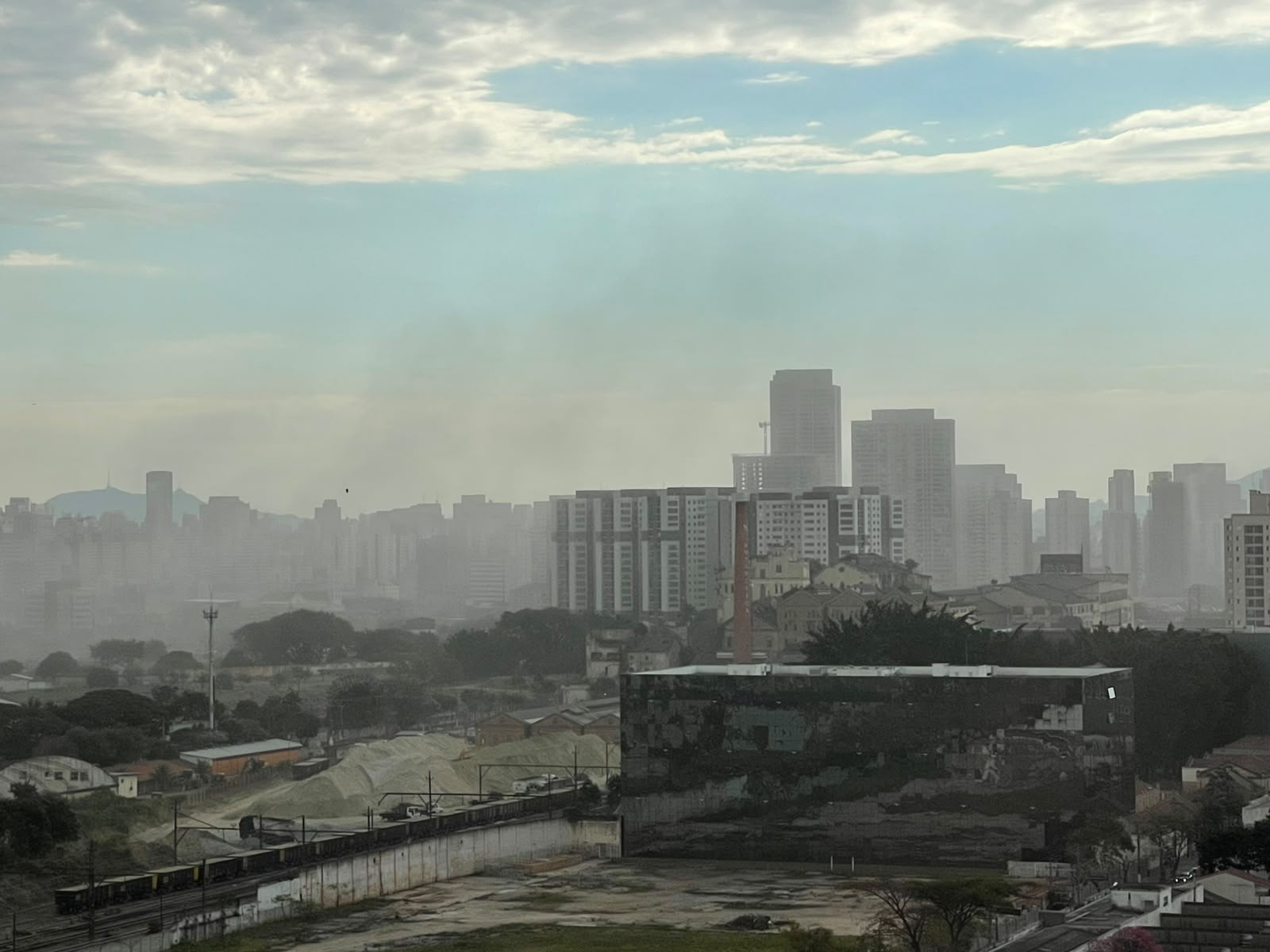
São Paulo's Civil Defense has issued a severe alert for strong wind gusts expected in the state capital and Greater São Paulo in the coming hours, starting Wednesday, May 29th. This alert, sent via mobile phone messages, advises residents to seek shelter and avoid open areas, trees, and utility poles due to the risk of falling debris. The severe weather is attributed to a new cold front that is forecast to bring heavy rain and intense winds across the entire state from Wednesday, May 29th, through Thursday, May 30th. Wind speeds in the São Paulo Metropolitan Region and Baixada Santista could reach approximately 90 km/h, while other areas might experience gusts exceeding 70 km/h, particularly during thunderstorms. In addition to high winds, the system is expected to produce moderate to heavy rain with lightning, and coastal areas may face rough seas and maritime agitation. These combined phenomena increase the risk of falling trees, roof damage, power outages, and urban mobility disruptions. The Civil Defense is activating its Crisis Management Office in person to enhance monitoring and response capabilities. They are also coordinating with regional and municipal Civil Defense units to prepare for immediate action. Residents are urged to secure outdoor objects, avoid wooded areas and metallic structures, and exercise caution on highways due to potential hazards like falling trees and reduced visibility. Emergency services can be reached at 199 (Civil Defense) and 193 (Fire Department).
The issuance of a severe wind alert by São Paulo's Civil Defense highlights the increasing frequency and intensity of extreme weather events, likely exacerbated by climate change. The proactive measures, including mobile alerts and crisis management activation, demonstrate an evolving capacity for public safety response. However, the recurring nature of such warnings underscores a systemic challenge in urban infrastructure resilience, particularly concerning trees, power lines, and vulnerable structures in densely populated areas. Future urban planning and infrastructure investment will need to prioritize adaptation to more volatile weather patterns, balancing immediate safety protocols with long-term environmental and structural hardening strategies to mitigate recurrent disruptions and potential economic impacts.
AI-generated to prompt reflection — not editorial opinion, not advice, not a statement of fact. How this works.