São Paulo State Security: Challenges Beyond Violent Crime in 2026 Elections
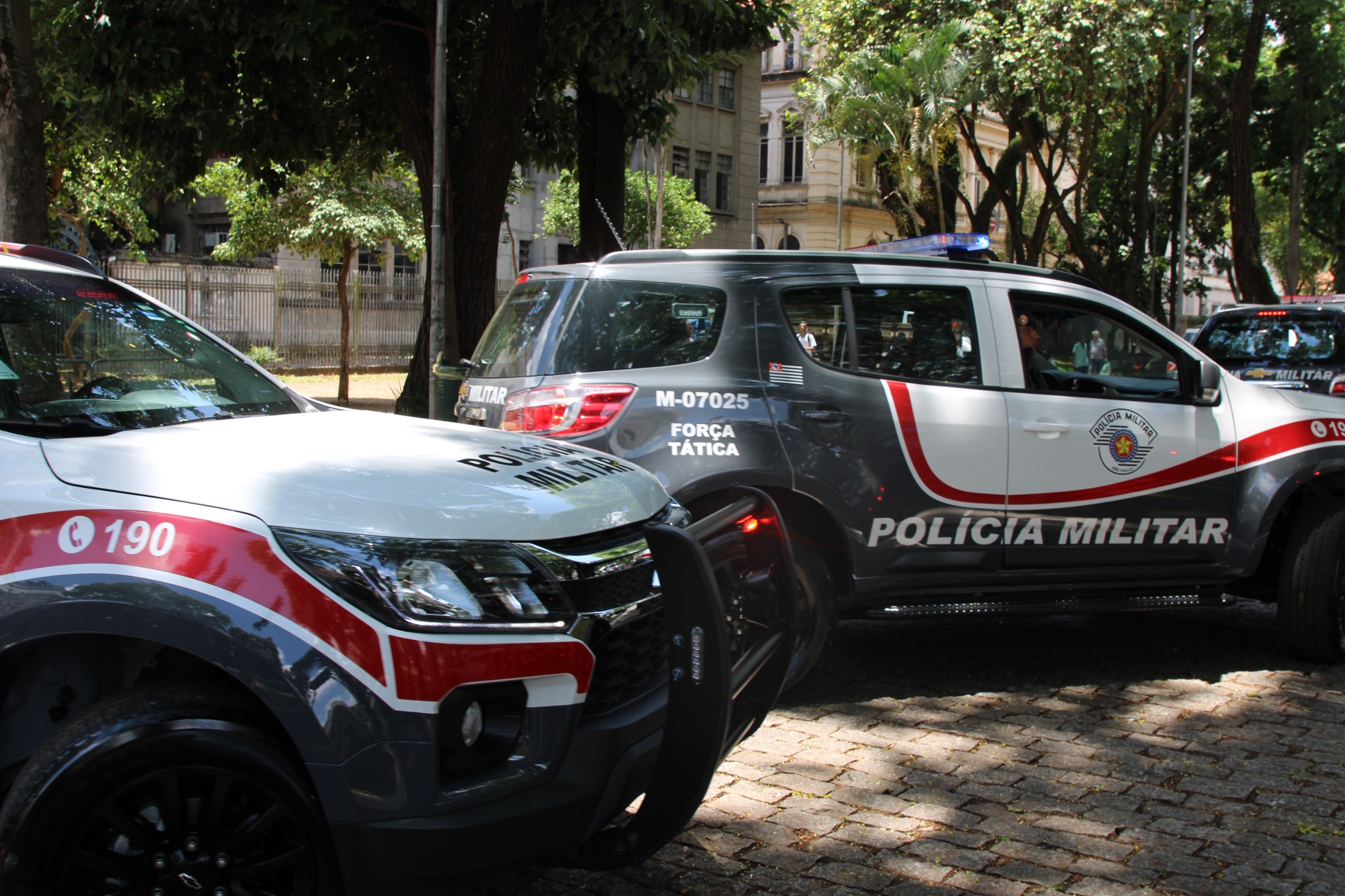
As the 2026 elections approach in São Paulo, the state government's responsibilities in public security extend far beyond traditional violent crimes, encompassing a growing landscape of technological threats. The state commands the Military Police for street patrols and the Civil Police for investigations, supported by forensic services. Approximately R$21 billion, or 5.5% of the state budget, is allocated to public security for 2026, making it the third-largest budget item after Health and Education. Recent years have seen a surge in sophisticated cybercrimes, including voice cloning for fraudulent bank account openings and emergency money requests, as well as investment scams and identity theft. The Civil Police's Cybercrime Division (Decciber) investigated 353 cybercrime cases in 2025 alone, highlighting the effectiveness of AI in replicating voices from brief audio clips. Street-level crime also remains a significant concern, with cell phones being a prime target. In 2025, São Paulo recorded 254,000 cell phone thefts and robberies, averaging 700 per day, leading to financial losses and facilitating further digital fraud through compromised personal data and banking apps. While technology like surveillance cameras aids investigations, experts emphasize that human police presence remains crucial, especially in high-crime areas. Former National Public Security Secretary Ricardo Balestreri stresses that electronic monitoring is most effective when coordinated with on-the-ground policing and community engagement, as simple patrol car circulation does not guarantee public safety. Despite São Paulo's relatively low homicide rate of 7.8 per 100,000 inhabitants, a persistent sense of insecurity and a rise in femicides remain critical issues. The first half of 2026 saw a record 141 femicides, a 10% increase from the previous year, underscoring the need for enhanced victim support, prevention, and specialized police structures. Experts advocate for a multi-faceted approach, including improved specialized police stations, continuous victim assistance, and broader public policies in areas like urban lighting, education, and economic opportunities to address social vulnerability and reduce crime.
The forthcoming São Paulo gubernatorial elections highlight a critical juncture where public security policy must adapt to evolving threats, balancing traditional law enforcement with advanced technological challenges. The substantial budget allocated to security indicates its political salience, yet the increasing sophistication of cybercrime and the persistent issue of femicides suggest that resource allocation and strategic focus require continuous re-evaluation. The narrative around security is shifting from solely reactive measures against violent crime to proactive strategies addressing digital fraud and the root causes of violence. Future governance will likely need to foster greater inter-agency collaboration, integrate technological advancements with human-centric policing, and acknowledge the interconnectedness of security with broader social and economic development policies to effectively mitigate both historical and emerging risks.
AI-generated to prompt reflection — not editorial opinion, not advice, not a statement of fact. How this works.
