São Paulo State Suspends Night Police Shifts in Boituva, Cerquilho, and Tietê
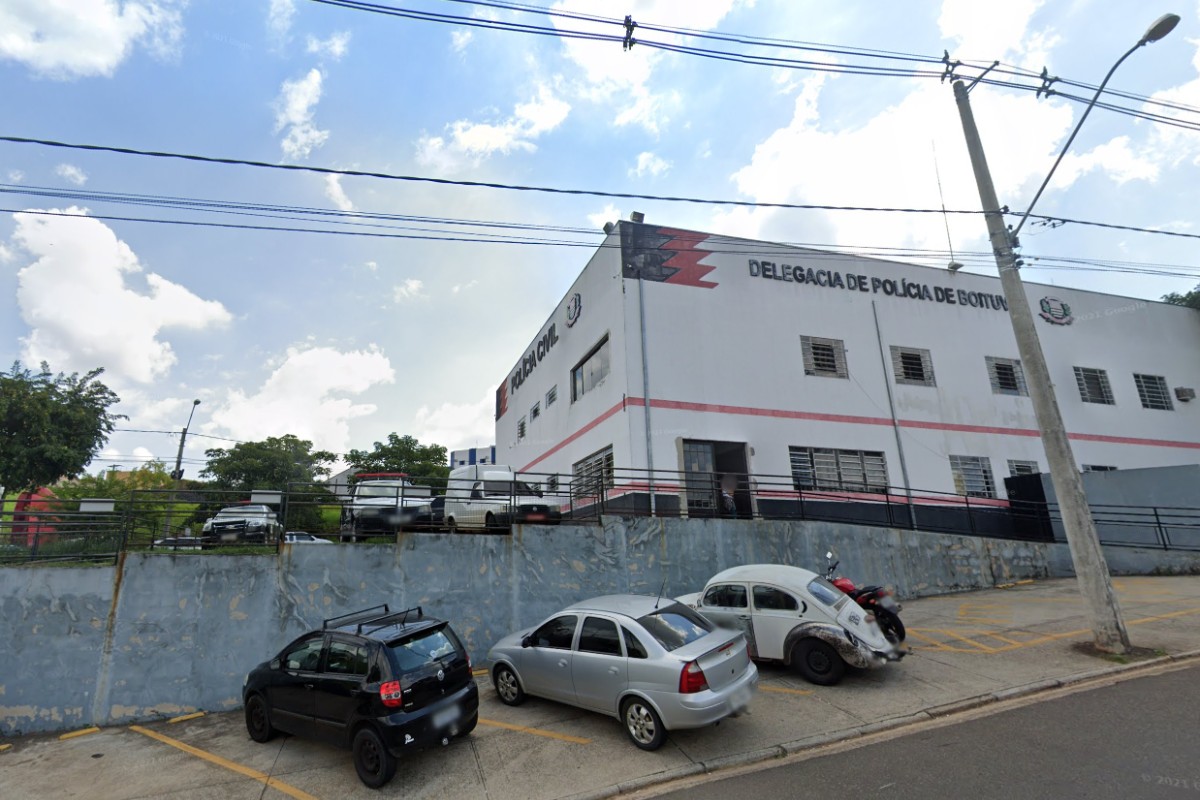
The São Paulo State government, through the Itapetininga Seccional Police, has suspended night shift services at the police stations in Boituva, Cerquilho, and Tietê, effective July 9th. This decision stems from a deficit in active civil police officers. Consequently, all arrests made during the night are now being transferred to the Tatuí police station. The Boituva City Hall confirmed the suspension was officially communicated and is providing support to the police force, including ten public employees and funding for a new office space while awaiting the original station's building release. Residents are advised to file reports during weekday business hours (9 AM to 6 PM) or utilize the online electronic police portal. The Municipal Civil Guard remains operational and can be reached at 153 for assistance, including transporting overnight arrests to Tatuí. Boituva officials met with the Itapetininga Seccional Police to seek further information and requested increased police presence, reinforcement of patrols, and the reopening of a specialized unit for domestic violence victims. The city has also formally notified higher police authorities about the suspension and is demanding effective solutions for public safety. A follow-up meeting is scheduled for July 20th to finalize operational changes. The State Secretariat of Public Security had not yet responded to inquiries regarding the matter.
The suspension of night police shifts in Boituva, Cerquilho, and Tietê highlights a critical challenge in public safety: the impact of civil police officer shortages on service delivery. This situation forces a reliance on alternative measures, such as directing overnight arrests to a more distant station in Tatuí, potentially increasing response times and straining resources. The municipal government's proactive support, while commendable, underscores the strain on local administrations when state-level security provisions are insufficient. This event prompts consideration of long-term strategies for police recruitment, retention, and resource allocation across the state, particularly in smaller municipalities. Examining the incentive structures for police work and the effectiveness of inter-agency cooperation will be crucial for ensuring consistent public safety coverage in the future.
AI-generated to prompt reflection — not editorial opinion, not advice, not a statement of fact. How this works.