São Paulo suspends vehicle restrictions due to CPTM train strike
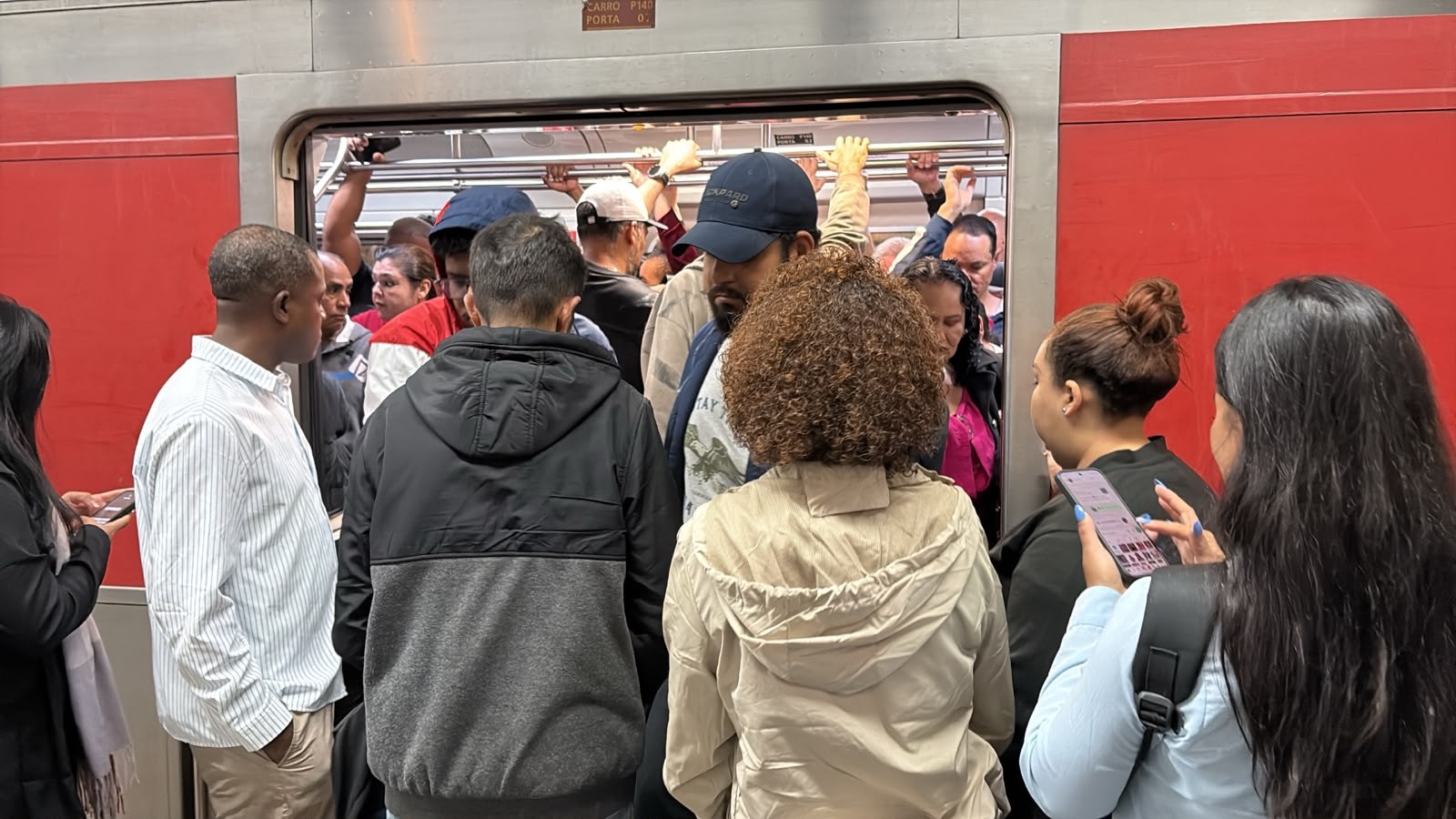
The São Paulo City Hall has suspended the vehicle restriction (rodízio) on Tuesday, April 4th, following a decision by CPTM (Companhia Paulista de Trens Metropolitanos) employees to strike. The strike affects trains on lines 11-Coral, 12-Safira, and 13-Jade, including the Airport Express, starting at midnight. This action will primarily impact the East Zone of São Paulo and surrounding municipalities such as Guarulhos, Ferraz de Vasconcelos, Poá, Itaquaquecetuba, Suzano, and Mogi das Cruzes. Other CPTM lines (7-Rubi, 8-Diamante, 9-Esmeralda, 10-Turquesa), all subway lines (1-Azul, 2-Verde, 3-Vermelha, 4-Amarela, 5-Lilás), and the monotrilho (15-Prata, 17-Ouro) are expected to operate normally. The strike's director-executive, Luiz Barbosa Neto Júnior, stated the protest is against the privatization of the lines and aims to guarantee employment. He explained that employees are dissatisfied with the government's proposal of an additional 60 days for discussions on job security, refusing to accept potential layoffs. In response, CPTM and the São Paulo state government expressed regret over the strike, despite a meeting held on Monday. They reiterated their commitment to preserving jobs and analyzing legislative proposals beneficial to the workers, such as absorption by other state public bodies, integrating the Campos do Jordão Railway into CPTM, and including workers in the state's public servant health insurance plan (Iamspe). The CPTM has appealed to the Regional Labor Court (TRT), which mandated that 80% of the workforce must operate during peak hours and 60% during off-peak times. Failure to comply could result in a daily fine of R$400,000 for the union. CPTM has activated a contingency plan to mitigate passenger impact on the affected lines. Notably, CPTM resumed operation of lines 11, 12, and 13 for 90 days starting July 24th, after severe disruptions occurred following the concessionaire Trivia Trens taking over the service.
The suspension of São Paulo's vehicle restrictions highlights the significant public impact of transit worker actions, particularly concerning privatized services. The core of the dispute appears to be the tension between state-led privatization initiatives and employee job security, a common theme in infrastructure transitions. The government's proposed solutions, such as absorption into other public bodies or integration with other rail lines, suggest an acknowledgment of potential workforce displacement. However, the union's demand for immediate guarantees against layoffs indicates a lack of trust in protracted negotiation processes. The TRT's intervention, mandating specific operational percentages, reflects a judicial attempt to balance public service needs with labor rights during a dispute. This situation underscores the complex governance challenges in managing public-private partnerships, where ensuring operational continuity and workforce stability requires careful stakeholder engagement and transparent policy frameworks, especially as urban mobility systems evolve.
AI-generated to prompt reflection — not editorial opinion, not advice, not a statement of fact. How this works.
