São Paulo to offer Libras video call support for deaf voters during elections
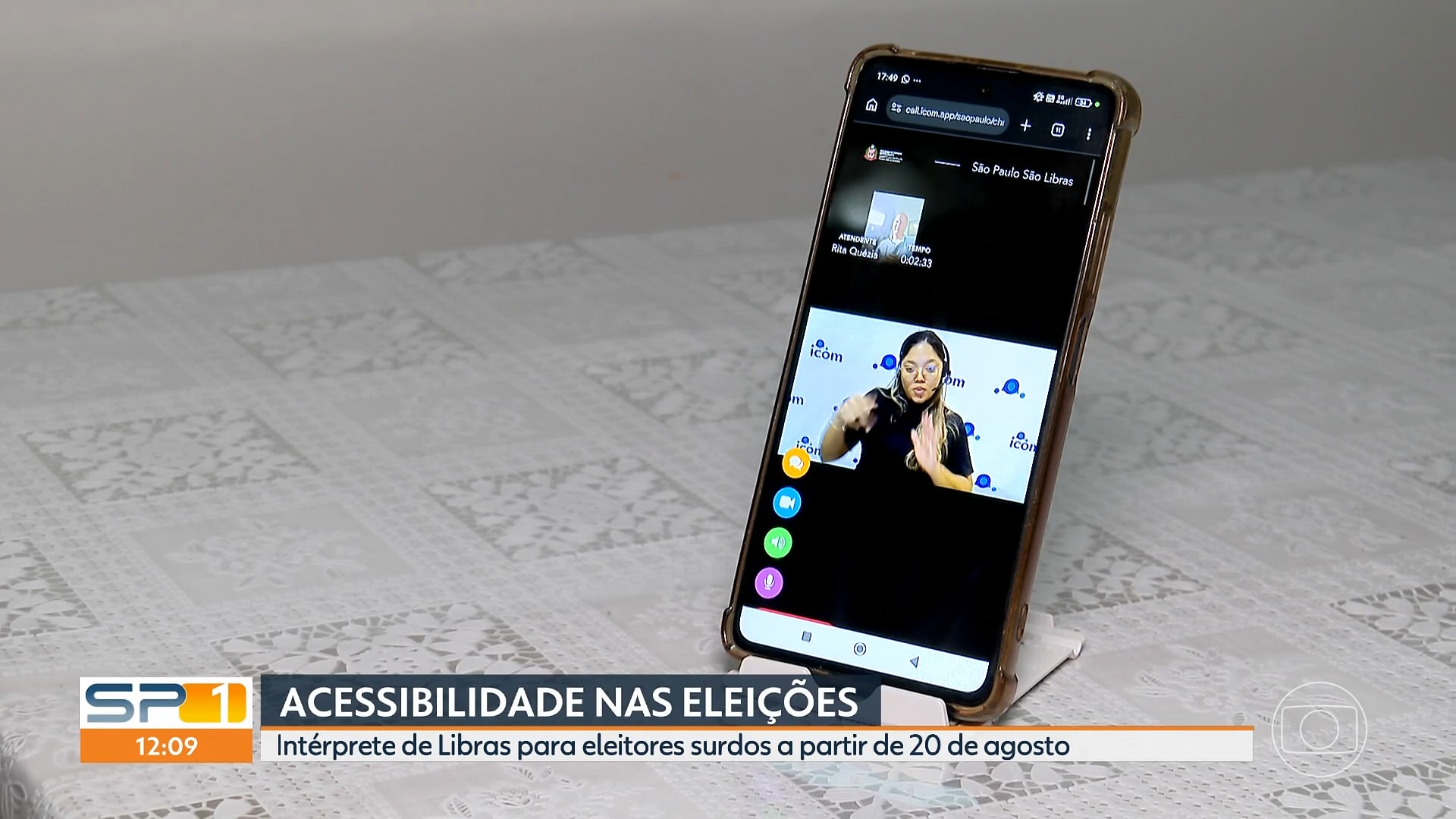
Deaf voters in São Paulo will have access to sign language interpretation via video call for election-related assistance starting August 20th. This new service, provided by the São Paulo City Hall's Libras Interpretation Center, aims to help voters with questions about polling station locations, required documentation, absence justification, and other electoral procedures. The support will be delivered directly in Libras (Brazilian Sign Language). According to the IBGE, over 529,000 deaf individuals reside in São Paulo state, representing 13% of its population. Leading up to the elections, the Libras Interpretation Center can be contacted through the Poupatempo app. On election day itself, voters can access the service by scanning a QR code displayed on posters at polling stations, which will initiate a video call with an on-duty interpreter. A Libras teacher, Monique Cristina, shared her experience from the 2024 municipal elections, where she encountered an issue with the e-Título app. She was able to receive assistance from an election official with the help of the São Paulo São Libras service, enabling her to cast her vote. Cristina emphasized that Libras support provides greater security and autonomy for deaf voters. During the 2024 municipal elections, more than 1,200 deaf voters received assistance across the state. Mariucha de Souza, Coordinator of Management and Accessibility, indicated plans to expand the service further, stating a goal to enhance its efficiency by 2026. Souza highlighted ongoing attitudinal challenges, noting that some individuals still do not recognize the proper and dignified way to interact with people with disabilities, underscoring the importance of every vote, including those from individuals with disabilities.
This initiative by the São Paulo government to provide Libras interpretation via video call represents a significant step towards enhancing electoral accessibility for the deaf community. By leveraging technology, the program addresses a critical need for direct communication and support, potentially increasing voter participation and confidence among a population that has historically faced communication barriers. The stated goal of expanding this service by 2026 and the acknowledgment of persistent attitudinal challenges highlight a systemic effort to integrate disability inclusion into public services. Looking ahead, the long-term success will depend on sustained investment, ongoing training for interpreters and election officials, and continued public awareness campaigns to foster a more inclusive civic environment, ensuring that technological solutions are complemented by genuine societal acceptance and respect for the rights of all citizens.
AI-generated to prompt reflection — not editorial opinion, not advice, not a statement of fact. How this works.
