São Paulo Tourist Found Dead in Bahia's Chapada Diamantina Region
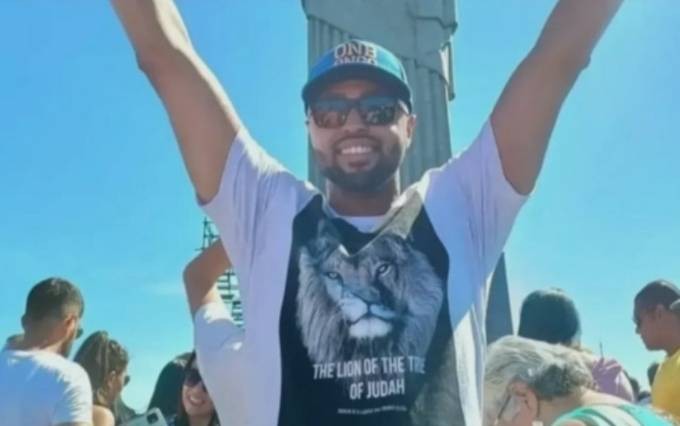
A tourist from São Paulo, identified as Eliton Leão, was found dead on Thursday, February 2nd, in the Chapada Diamantina region of Bahia. Leão had been missing since Monday, January 29th. According to TV Bahia, he was on vacation and was reportedly pulled away by a strong current while bathing in a local waterfall. Search efforts involved teams from the Fire Department and local guides. Specific details surrounding the discovery of his body have not yet been released. Eliton Leão's remains were transported back to São Paulo, with his burial scheduled for Friday, February 3rd, in Franco da Rocha, in the São Paulo metropolitan area. The report also mentions other recent incidents involving tourists in Bahia, including an arrest for alleged racial slurs in Pelourinho, Salvador, and another tourist arrested twice in less than 24 hours in Salvador after altercations in a restaurant and a taxi. Additionally, two tourists from Rio Grande do Sul were shot in Bahia while passing through an area with land disputes between indigenous people and farmers.
This incident highlights the inherent risks associated with recreational activities in natural environments, particularly those with unpredictable water conditions. While the immediate cause appears to be accidental, the event underscores the importance of robust safety protocols and public awareness campaigns for tourists engaging in activities like waterfall bathing in remote or less-patrolled areas. Future considerations for regional tourism management could involve enhanced signage, designated safe bathing zones, and readily accessible emergency contact information. Analyzing the broader context of tourism in Bahia, the cluster of reported incidents, including alleged racial slurs and arrests, suggests potential systemic issues in visitor management, cultural integration, or enforcement of local regulations that warrant further examination to ensure a safe and respectful experience for all.
AI-generated to prompt reflection — not editorial opinion, not advice, not a statement of fact. How this works.