São Paulo Train and Metro Failures Increase 27% in First Half of 2026
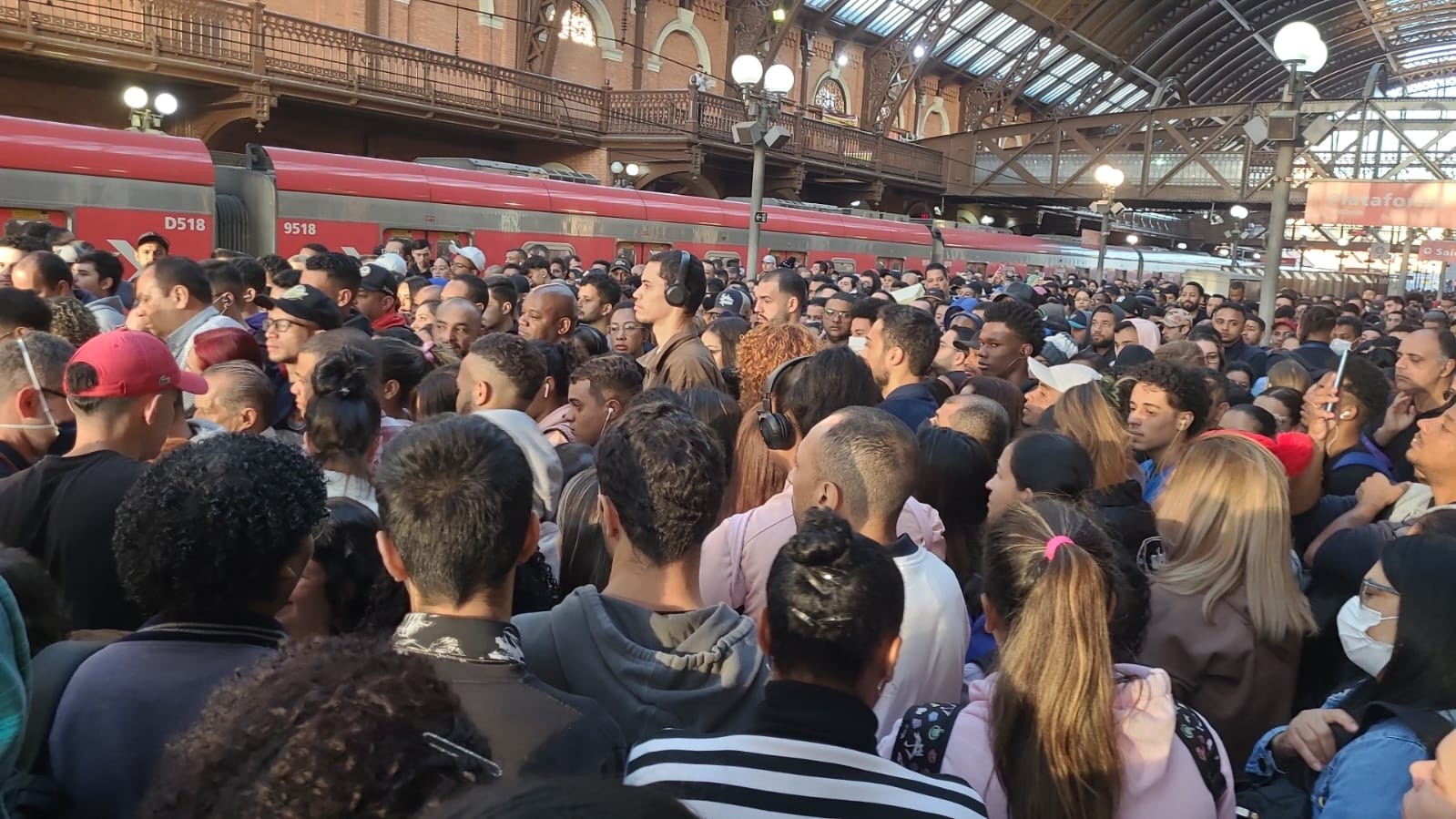
The number of failures on São Paulo's train and metro lines surged by 27% in the first half of 2026 compared to the same period last year. A total of 205 failures were recorded between January and June 2026, a significant increase from the 161 incidents in the first half of 2025. This averages to more than one failure per day across the 181 days of the period, already reaching 66% of the total 313 failures recorded throughout the entire previous year. The data, compiled by TV Globo, includes issues with tracks, machinery, and overhead power lines, but excludes accidents like suicides, derailments, and flooding. Privatized lines experienced the most substantial growth in failures, with an overall increase of 56% in the first six months of 2026. Specifically, the Tic Trens-operated Line 7-Rubi saw a dramatic 600% rise in failures, from 3 in early 2025 to 21 in early 2026, shortly after Tic Trens took over operation from CPTM in November 2025. The Viamobilidade-operated Line 8-Diamante also saw a slight decrease of 16.6%. Despite this trend, Metro's Line 3-Vermelha, while still recording the highest number of issues with 28 failures, saw a 31% reduction compared to the first half of 2025. State-operated CPTM lines also experienced a 100% increase in failures, with 36 incidents this year compared to 18 last year. Governor Tarcísio de Freitas acknowledged concerns about the failures, attributing many to long-standing structural issues requiring significant investment. He highlighted ongoing efforts to address problems like inadequate grounding and pantograph issues, and is investing in a new European signaling system to reduce train intervals from the current 6-7 minutes to 2.5 minutes, a process expected to take about three years.
The reported 27% increase in São Paulo's rail system failures in early 2026, particularly on privatized lines, highlights potential systemic challenges in maintaining aging infrastructure and managing the transition to private operation. While the state government points to structural issues and ongoing modernization efforts, the data suggests a divergence in performance between state-managed and privatized entities, warranting scrutiny of contract oversight and maintenance standards. The significant investment in new signaling systems indicates a long-term strategy to improve efficiency, but the immediate rise in failures raises questions about the adequacy of current maintenance protocols and the pace of infrastructure upgrades in meeting operational demands. This situation underscores the complex interplay between privatization, infrastructure investment, and public service reliability in large urban transit networks.
AI-generated to prompt reflection — not editorial opinion, not advice, not a statement of fact. How this works.