São Paulo Train Lines Paralyzed After Fire, New Operator Faces Scrutiny
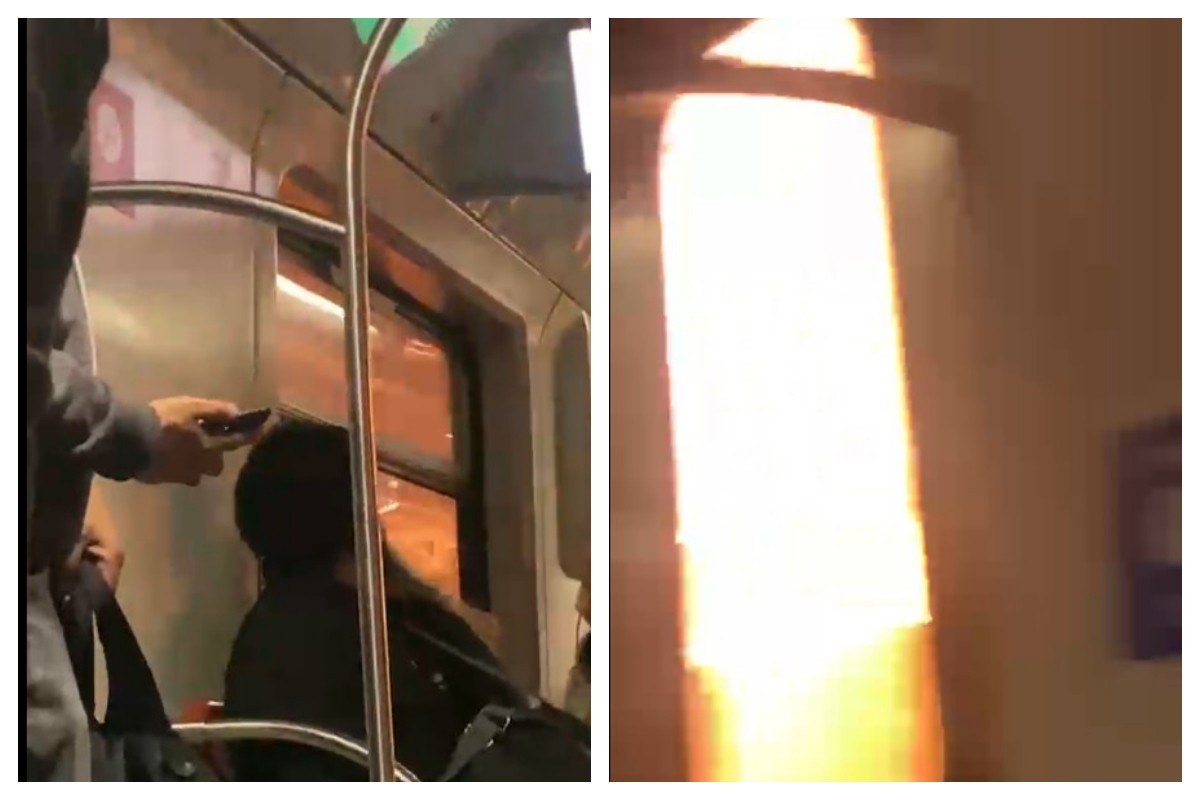
A fire on a train operated by the new concessionaire Trivia Trens caused a major disruption to three train lines in São Paulo on Thursday, November 23rd. The incident, believed to be caused by a short circuit on Line 12-Safira, led to the paralysis of Lines 11-Coral, 12-Safira, and 13-Jade. Passengers were forced to evacuate trains and walk on the tracks, with some requiring assistance from police to exit the affected areas. The São Paulo State Transport Agency (Artesp) has stated that it is investigating the problems and monitoring the measures taken by Trivia Trens to normalize the service and assist passengers. This marks the third consecutive day of operational issues for Trivia Trens, which officially took over the operation of these lines just three days prior, on Tuesday, November 21st. In response to the chaos, the City of São Paulo suspended traffic restrictions in the East Zone. The fire resulted in one train car being completely carbonized, but fortunately, no injuries were reported. To mitigate the impact, Trivia Trens deployed 21 buses to transport affected passengers and is working to identify the cause of the incident and implement repairs. The São Paulo Metro's Line 3-Vermelha experienced overcrowding as passengers sought alternative routes, prompting the Metro to add extra trains and adjust operations to manage the increased demand.
The rapid succession of significant operational failures within the first three days of Trivia Trens' concession raises critical questions about the transition process and the adequacy of pre-operational assessments. The incident highlights the systemic risks inherent in privatizing essential public services, where immediate profit motives or cost-cutting measures could inadvertently compromise safety and reliability. Artesp's role in fiscalizing and enforcing contractual obligations will be crucial in determining whether the concessionaire can rectify these issues or if further administrative and contractual measures are warranted. The public's reliance on these transit systems necessitates robust oversight and contingency planning to prevent such widespread disruption, especially in a densely populated metropolitan area where alternative transport options may be limited or overwhelmed.
AI-generated to prompt reflection — not editorial opinion, not advice, not a statement of fact. How this works.