São Paulo Weekend Traffic Fatalities Reach 15, Including Multi-Car Collisions
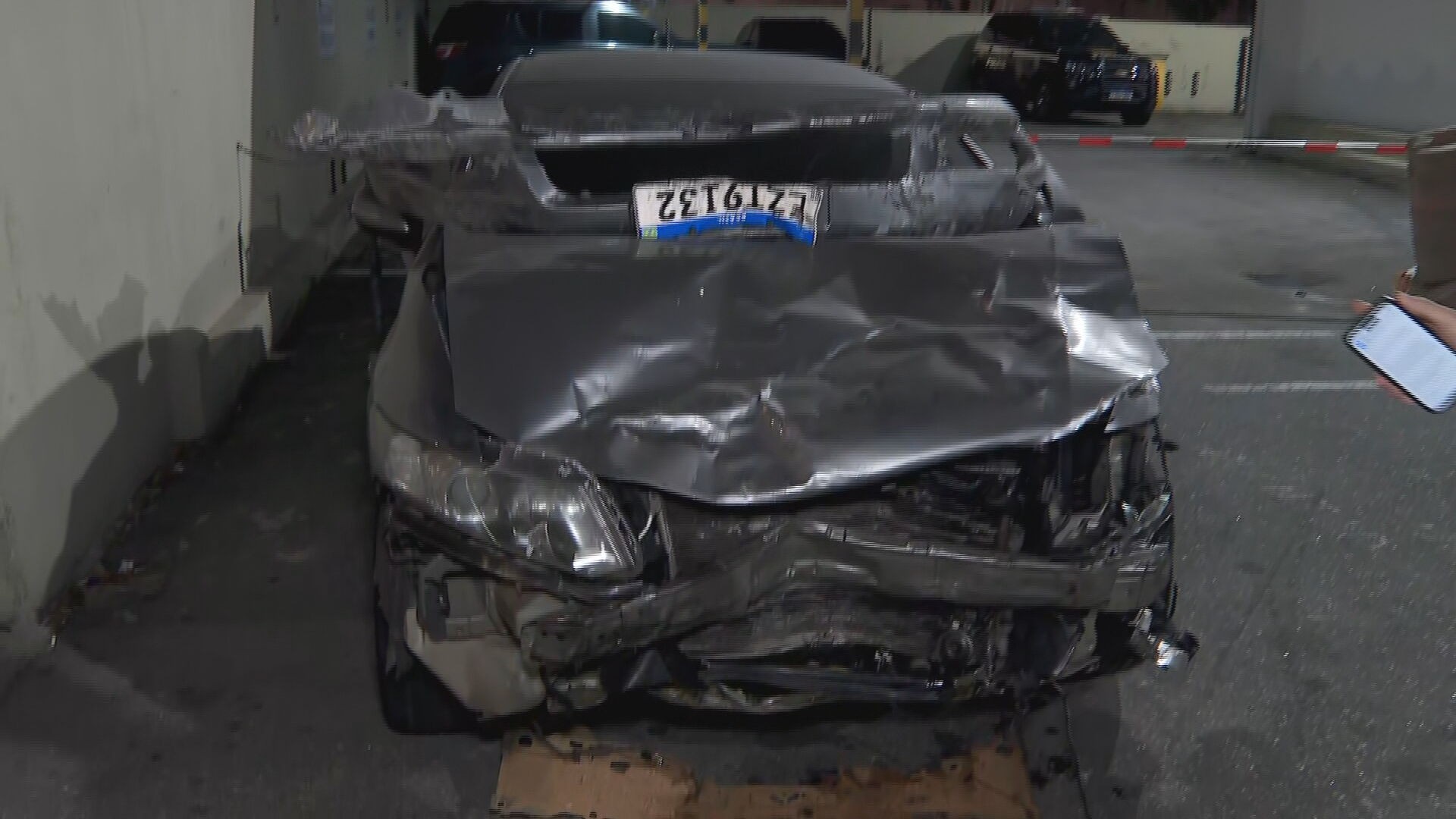
The state of São Paulo experienced a violent weekend on its roads, with at least 15 traffic fatalities reported between Saturday, November 4th, and the early morning of Monday, November 6th. A total of 18 serious accidents occurred across the state during this period. One particularly tragic incident on the Castello Branco Highway (SP-280) in Osasco resulted in the deaths of three individuals. This collision involved a Honda Civic reportedly traveling at high speed, which rear-ended a Renault Kwid. The impact caused the Kwid to catch fire and explode, trapping and fatally injuring its occupants, identified as two adults and one child. The driver of the Honda Civic sustained a head injury and, after refusing a breathalyzer test, was taken to an Osasco hospital under police escort for questioning upon release. Another fatal accident occurred on the Marginal Tietê highway near the Ponte da Casa Verde, where a car overturned. Two people were in the vehicle; one died at the scene from a skull fracture, while the other was hospitalized with facial and abdominal trauma. The remaining fatalities were spread across various cities in the interior of São Paulo, including Bariri, Batatais, Bom Sucesso de Itararé, Campinas, Capivari, Mogi das Cruzes, Monte Aprazível, Pilar do Sul, Quatá, Ribeirão Preto, São José do Rio Preto, São Pedro, Sorocaba, Taubaté, and Vargem Grande do Sul.
The reported fatalities highlight persistent challenges in road safety across São Paulo, particularly concerning high-speed driving and the consequences of collisions. The incident on the Castello Branco Highway, involving a suspected high-speed driver and a subsequent explosion, underscores the critical need for enhanced traffic enforcement and potentially infrastructure improvements to mitigate the severity of accidents. The refusal of a breathalyzer test by one driver raises questions about accountability and the effectiveness of current legal deterrents. As autonomous driving technology advances, these events serve as a stark reminder of the human factors that remain central to traffic safety and the complex interplay between driver behavior, vehicle mechanics, and regulatory frameworks. Future efforts may need to focus on a multi-faceted approach, integrating advanced driver-assistance systems with robust public awareness campaigns and stricter enforcement of existing traffic laws to prevent such tragic outcomes.
AI-generated to prompt reflection — not editorial opinion, not advice, not a statement of fact. How this works.