São Paulo Zoo Unveils Three Maned Wolf Pups to Public
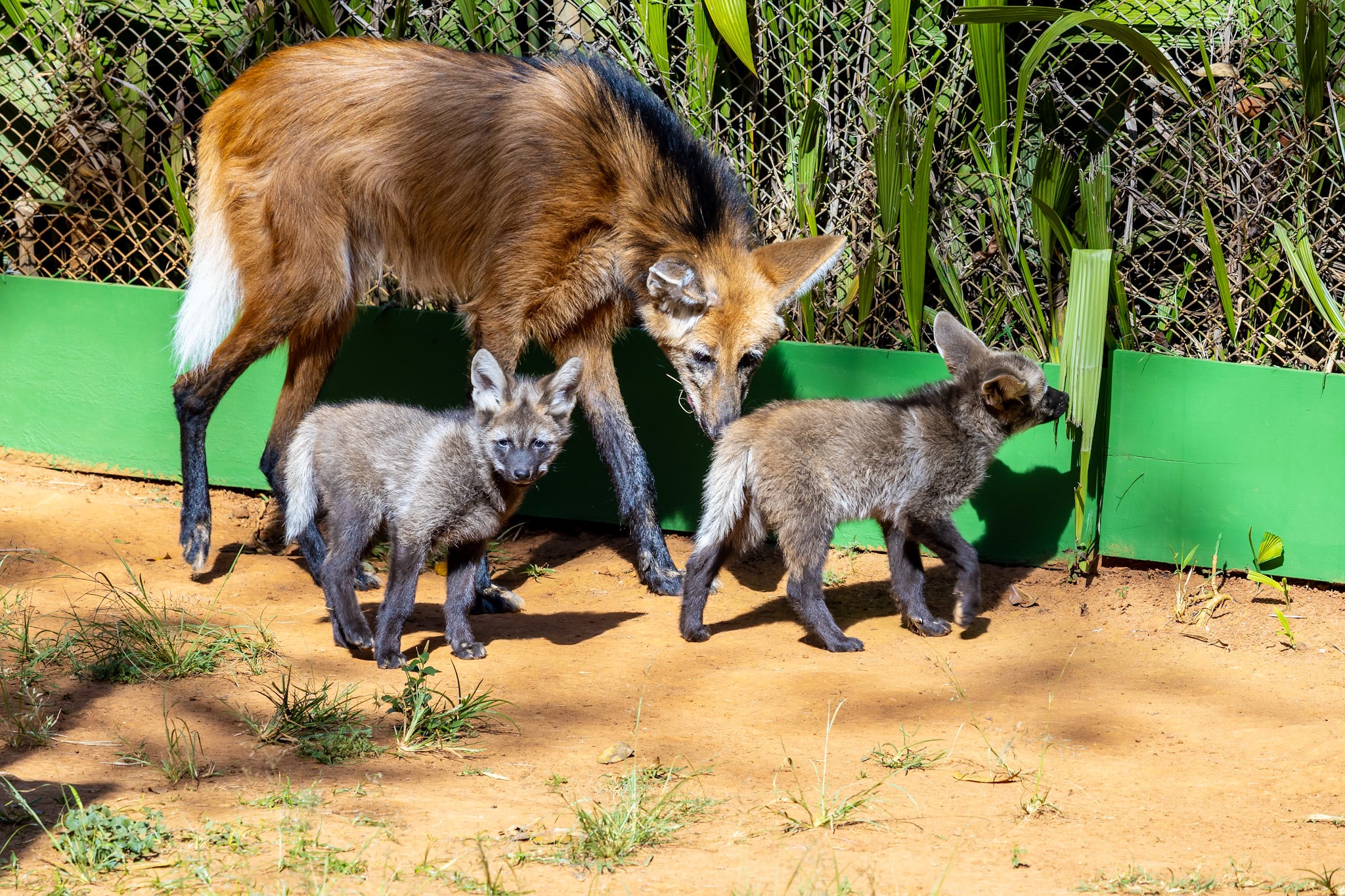
The São Paulo Zoo is introducing three maned wolf pups to the public for the first time starting Thursday, May 30th. These pups, born just over two months ago on May 26th, have transitioned from a specialized technical area to the main visitor enclosure. They spent their initial weeks under the care of their mother and zoo specialists, including biologists and veterinarians.
The three siblings are the second litter for parents Pitanga and Caju, who are part of the zoo's species conservation program. Their previous litter was born in 2025. This successful reproduction highlights efforts in captive breeding aimed at preserving the maned wolf, a species classified as vulnerable to extinction by the Chico Mendes Institute for Biodiversity Conservation (ICMBio).
The maned wolf, the largest canid in South America and a symbol of the Brazilian Cerrado, is not a true wolf but belongs to its own distinct lineage. Key characteristics include long legs, an elongated snout, and reddish fur. In the wild, they are omnivores, consuming fruits, plants, insects, and small vertebrates, with a particular fondness for the lobeira fruit. Habitat destruction, fragmentation, and road accidents are significant threats to their survival.
The public debut of these maned wolf pups underscores the critical role of zoological institutions in species conservation, particularly for animals facing habitat loss and other human-induced threats. The zoo's breeding program provides a vital safeguard against extinction, demonstrating the potential for captive breeding to bolster vulnerable wild populations. As the Cerrado ecosystem faces ongoing environmental pressures, initiatives like this highlight the complex interplay between human development and biodiversity preservation. Future conservation strategies will need to address not only captive breeding but also the restoration and protection of natural habitats, alongside public awareness campaigns to mitigate risks such as road accidents.
AI-generated to prompt reflection — not editorial opinion, not advice, not a statement of fact. How this works.