São Sebastião Plants Over 600 Saplings to Boost Urban Green Spaces
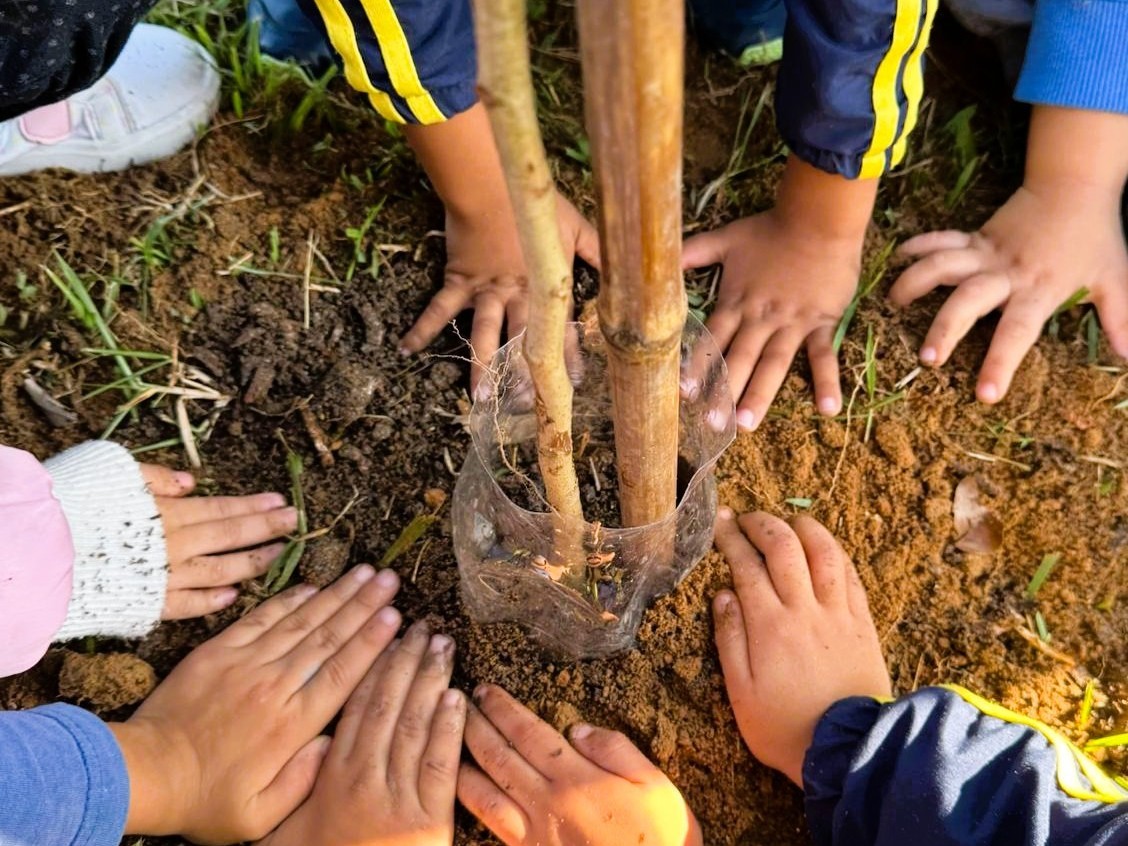
The São Sebastião City Hall's Urban Arborization Program is actively expanding the municipality's green areas and reforestation efforts. This initiative also aims to educate the public on environmental preservation and sustainability. In the first half of 2026, over 615 saplings were planted, according to the Secretariat of the Environment (Semam). The program's primary goal is to increase the city's vegetation cover, directly improving residents' quality of life and contributing to the indicators for the Green-Blue Municipality Program (PMVA) certification. The Municipal Nursery supports these actions by providing native saplings sourced from environmental compensation for isolated tree removals, as stipulated by Law 2.878/2022. Planted species include aroeira, pitanga, ingá, araçá, and grumixama. The program also collaborates with schools, associations, and residents across various districts to encourage community involvement in planting and raise awareness about the importance of urban trees and environmental conservation. Discussions during these activities cover how trees help lower street temperatures, enhance biodiversity, and support local fauna, especially when fruit-bearing species are planted. A significant milestone was reached on December 23, 2025, with the planting of the program's thousandth sapling, a pau-brasil tree, in Praça Toshio Nakamura in the city center, symbolizing Brazilian identity and heritage.
The São Sebastião Urban Arborization Program demonstrates a proactive approach to urban environmental management, integrating ecological goals with community engagement and regulatory compliance. By planting over 615 saplings in the first half of 2026 and reaching a thousandth milestone, the city is actively enhancing its green infrastructure, which can yield long-term benefits such as improved air quality, reduced urban heat island effect, and increased biodiversity. The program's alignment with the Green-Blue Municipality Program (PMVA) suggests a commitment to broader environmental governance standards. Sourcing saplings through environmental compensation laws reflects a systemic approach to balancing development with ecological restoration. Future considerations might involve evaluating the long-term survival rates of planted species, the cost-effectiveness of different planting strategies, and the scalability of community involvement models to ensure sustained ecological and social impact in the face of ongoing urbanization and climate change.
AI-generated to prompt reflection — not editorial opinion, not advice, not a statement of fact. How this works.