São Sebastião Receives 1,300 Rare Saplings for Reforestation Efforts
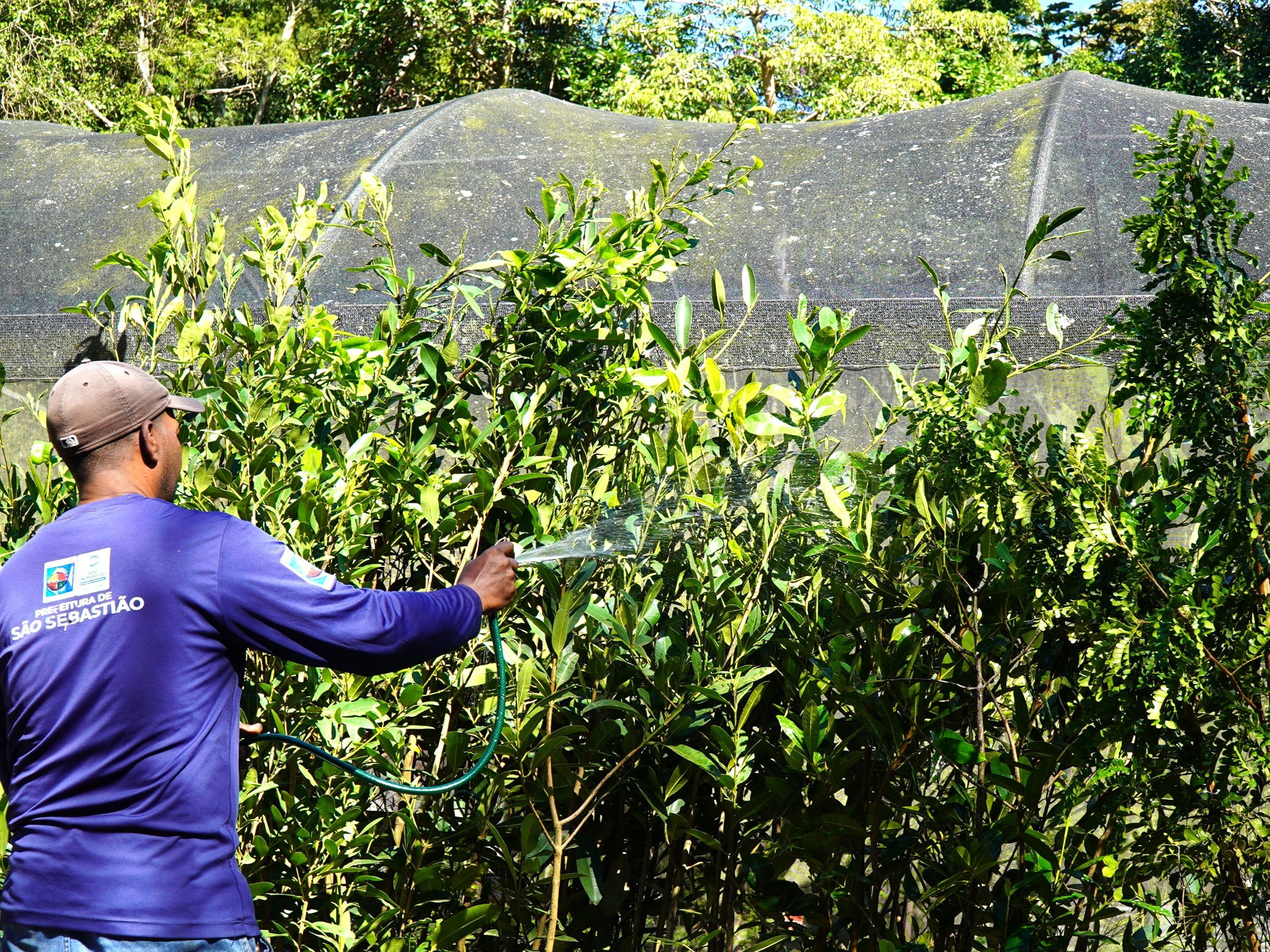
The Municipality of São Sebastião has received approximately 1,280 saplings of rare species at its Municipal Nursery on Wednesday, July 15th. These plants are part of an environmental compensation process and will bolster the city's Urban Arborization Program and reforestation initiatives. In the first half of 2026, the Municipal Environment Secretariat (Semam) reported planting over 615 saplings. The donated species originate from a development project in the southern coastal area of São Sebastião and include varieties such as grumixama, pitanga, guanandi, aroeira-pimenta, araçá, cambucá, and bacupari. The city's regulations, specifically Law 2.878/2022, mandate that any removal of isolated trees, whether on public or private land, requires authorization from Semam, with penalties for non-compliance. This law applies to individual trees and palm trees, excluding those within native vegetation fragments or forests. For the removal of six or more trees, a technical report from a qualified professional is necessary, subject to Semam's review. A simplified procedure is available for up to five trees, also requiring Semam's assessment. Individuals facing social and financial hardship are exempt from submitting the technical report, provided they undergo an inspection by a Semam official and provide proof of their vulnerability. All authorizations for tree removal are contingent upon environmental compensation, either through sapling donations to the Municipal Nursery or by paying established fees. Further details can be found on the Municipality's official portal.
This initiative highlights the municipality's commitment to environmental stewardship through urban greening and reforestation, funded by development compensation. The regulatory framework, particularly Law 2.878/2022, demonstrates a structured approach to managing tree removal and ensuring ecological balance. The system's design, linking development permissions to mandatory environmental compensation via sapling donations or fees, incentivizes developers to contribute to local biodiversity. Provisions for vulnerable populations suggest an effort to balance environmental regulations with social equity. Future considerations could involve evaluating the long-term success rates of these saplings and optimizing the compensation model to maximize ecological impact and community benefit in the face of ongoing urban development.
AI-generated to prompt reflection — not editorial opinion, not advice, not a statement of fact. How this works.