São Vicente Court Fines Auto Center R$100,000 for Predatory Consumer Practices
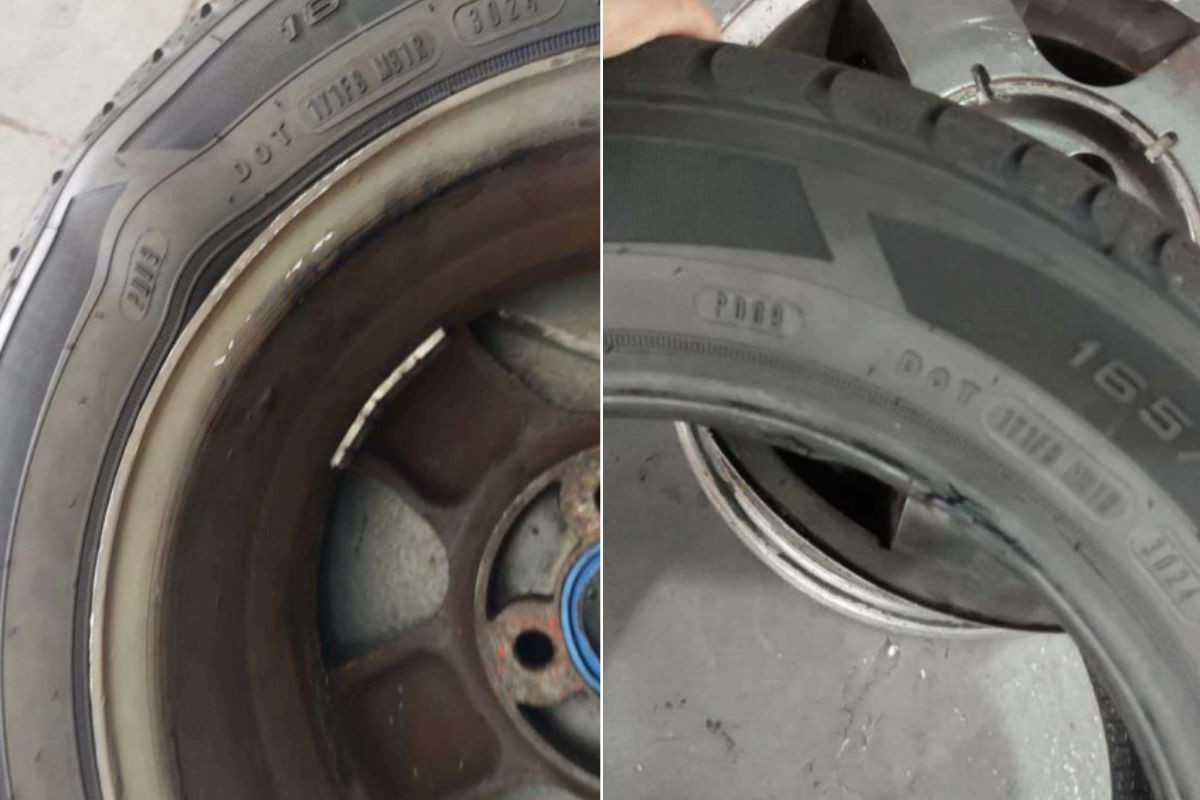
A court in São Vicente, São Paulo, has ordered two companies belonging to the Rede Muniz auto service chain to pay R$100,000 in collective moral damages due to abusive practices against customers. This sum will be allocated to a state fund supporting consumer rights initiatives. The lawsuit was initiated by the Public Prosecutor's Office (MP) following a complaint from a consumer who was charged R$11,700 for unsolicited services after an initial tire replacement quote of R$350. The MP subsequently gathered further complaints against the companies, revealing a pattern of predatory behavior.
Investigations indicated that the businesses lured customers with tire promotions and then pressured them into purchasing unauthorized services and parts. Allegations included tied sales, billing for unperformed work, installation of used or incompatible parts, warranty denials, and refusal to repair damages. In some instances, vehicles were partially disassembled, and customers were informed of severe supposed problems, leading them to agree to overpriced additional services under duress. The court found a consistent pattern of abuse, with the judge describing the conduct as "predatory" and aimed at excessive profit, damaging consumer trust and violating basic consumer protection laws.
The ruling, issued on June 29, mandates that the companies obtain express authorization before performing any service, provide detailed budgets, refrain from executing work without client approval, maintain effective post-sale support, publish the sentence online for two years, and conduct annual ethics training for five years. Failure to comply will result in a R$10,000 fine. The initial case involved a consumer who was awarded R$10,000 in moral damages after being charged R$11,700 for services that a trusted mechanic later deemed unnecessary or overpriced, leading to a court order for the refund of R$11,300 plus damages.
This judicial decision highlights a systemic issue where businesses may exploit information asymmetry and consumer vulnerability to engage in predatory pricing and upselling. The court's finding of a "predatory character" and "excessive profit-seeking" points to a business model that prioritizes short-term gains over long-term customer relationships and ethical conduct. The mandated corrective actions, including obtaining express authorization and providing detailed budgets, aim to rebalance the power dynamic between service providers and consumers. Moving forward, the automotive service industry, particularly those relying on complex repairs and opaque pricing, faces increasing scrutiny under evolving consumer protection frameworks and the potential for AI-driven transparency tools to empower consumers. The companies' obligation for ethics training and publicizing the ruling signals a broader trend towards corporate accountability and reputational risk management in the digital age.
AI-generated to prompt reflection — not editorial opinion, not advice, not a statement of fact. How this works.