São Vicente Faces High Patient No-Show Rate, Exceeding 33% of Appointments
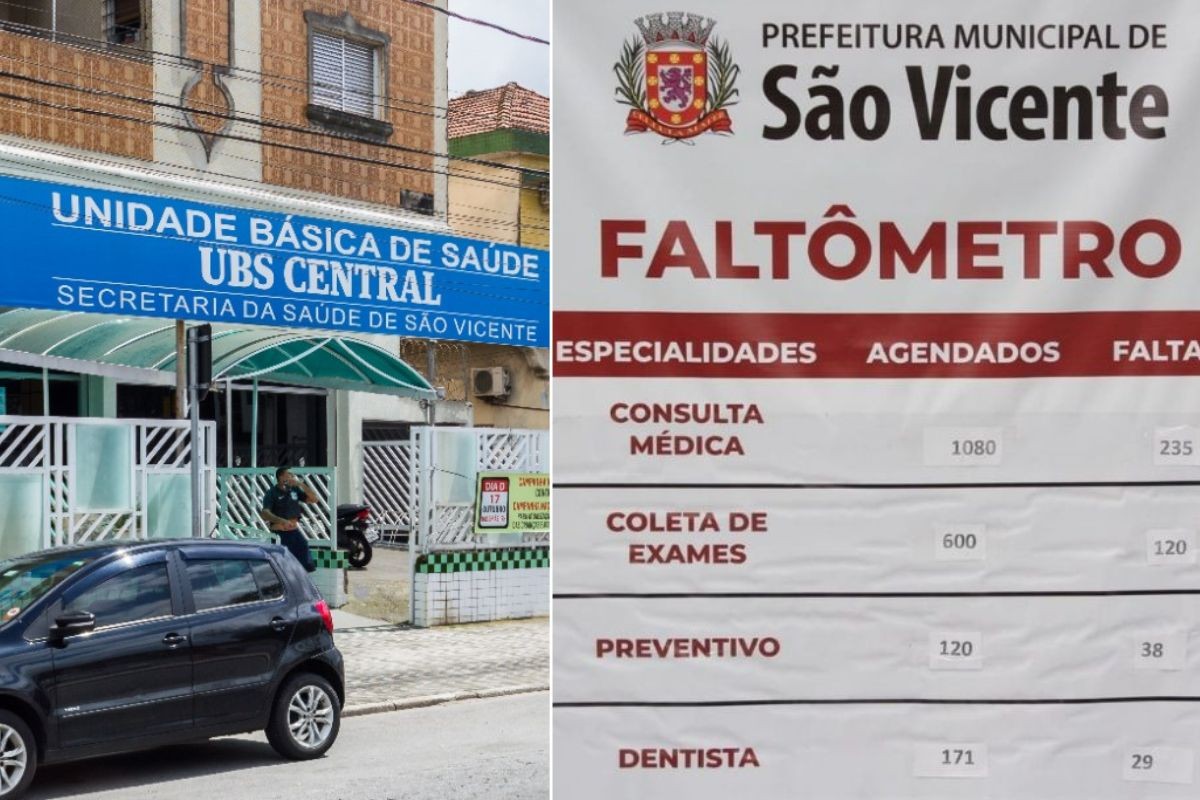
In São Vicente, Brazil, one in three patients, or 33%, failed to attend scheduled health appointments during the first half of 2026. This rate places São Vicente second highest in the Baixada Santista region for appointment no-shows, trailing only Guarujá, which reported 40%. To address this issue, the São Vicente municipal government installed "no-show meters" (faltômetros) in all primary and specialized healthcare facilities in the second half of 2025. These displays feature the message, “The appointment you miss, someone else misses.”
Municipal authorities express concern that these frequent absences significantly lengthen wait times for other patients seeking care. In response, the Regional Health Department (DRS) has approved a plan aimed at improving communication and the organization of patient services, with new actions scheduled for the current semester. Despite these efforts, no-show rates have persisted. In the specialized care network, absences increased from 23,400 between January and May 2025 to 25,000 in the same period of 2026. For basic healthcare, the municipality recorded 32,500 no-shows from January to June 2025, rising to 35,200 in the corresponding months of 2026. The impact is substantial: a facility with 200 monthly appointments could be losing approximately 15 patients weekly. This absence rate can extend a patient's wait time from two and a half months to over three and a half months.
Beyond the "no-show meters," the city is implementing other strategies to reduce absenteeism, including proactive appointment reminders and the involvement of community health agents who actively reach out to patients to emphasize the importance of attending their appointments. Other municipalities in the Baixada Santista region also reported significant no-show rates, with Guarujá at 40%, Itanhaém at 29.9%, Bertioga at 27%, Santos at 24% for consultations and 14% for exams, Cubatão and Praia Grande at 23%, and Mongaguá at 22.3%. Peruíbe did not provide data.
The significant patient no-show rate in São Vicente, exceeding one-third of scheduled appointments, highlights a systemic challenge in healthcare access and resource allocation. While the installation of "no-show meters" and increased communication efforts are intended to raise awareness, the persistent high rates suggest deeper underlying issues, potentially related to patient engagement, transportation, or a mismatch between appointment scheduling and patient needs. The extended wait times resulting from these absences disproportionately affect vulnerable populations reliant on public healthcare. Future strategies could explore dynamic scheduling, predictive analytics to identify at-risk patients, or partnerships with community organizations to improve attendance and optimize the utilization of limited healthcare resources. Examining the economic and social determinants of absenteeism could yield more effective, long-term solutions beyond behavioral nudges.
AI-generated to prompt reflection — not editorial opinion, not advice, not a statement of fact. How this works.