São Vito Festival in São Paulo Celebrates 108 Years of Italian Heritage and Community Support
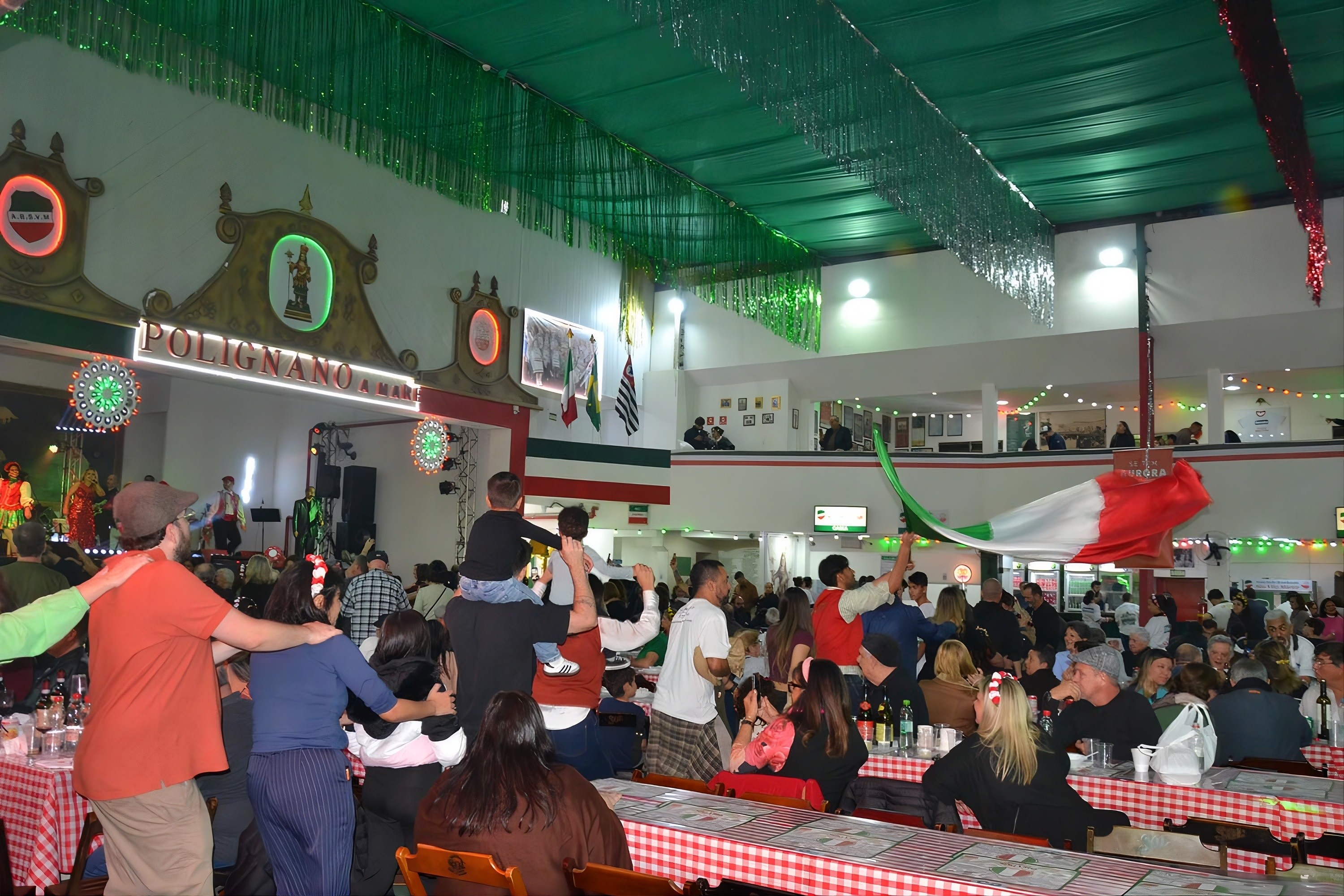
The São Vito Festival in São Paulo has reached its 108th edition, continuing a tradition that began in 1918 with Italian immigrants from Polignano a Mare. Originally a street fair, it has evolved into a significant event that preserves its core pillars: faith, food, and community. The festival is deeply rooted in its Italian heritage, featuring centenarian recipes and a volunteer network that operates with a familial structure. A key aspect of the festival is its commitment to social work, specifically supporting the Creche São Vito, which provides care for over 100 children from vulnerable families in the Brás neighborhood. Margareth Batelli Capellini, vice-president of the festival and the first woman to hold the position, emphasizes that the event's purpose is to sustain the creche. The festival's origins predate the church, with the first celebration in 1918 and the church founded the following year. The event moved to its current location on city-borrowed land in 1980. The culinary tradition is maintained by the 'Mammas di San Vito,' women who pass down traditional Pugliese recipes through generations, including the unique 'guimirella,' a dish of beef liver wrapped in pork fat. The festival attracts over 20,000 visitors each year, requiring substantial food preparation, including hundreds of kilograms of pasta and sauce weekly. Recognized in 2024 as a manifestation of national culture, the festival's significance extends beyond official recognition, embodying a blend of tradition and service, particularly in its support for the creche, which now serves a diverse, modern immigrant population.
The São Vito Festival exemplifies the enduring power of cultural heritage and community-driven initiatives to adapt and thrive across generations. Its evolution from a humble street fair to a structured event, while maintaining core traditions like centenarian recipes and familial volunteerism, highlights a successful model for cultural preservation. The festival's dual mission of celebrating Italian heritage and supporting a local creche demonstrates a robust social impact strategy, demonstrating that cultural events can serve as vital engines for community welfare. The challenge of maintaining tradition amidst demographic shifts in the Brás neighborhood, as noted by the creche serving a new wave of immigrants, presents an opportunity for the festival to further broaden its inclusive mission. This sustained relevance over 108 years, particularly in a rapidly changing urban landscape, underscores the importance of strong organizational leadership and a clear, evolving purpose that resonates with both long-standing participants and new community members.
AI-generated to prompt reflection — not editorial opinion, not advice, not a statement of fact. How this works.