Sørlandskysten Lacks Mussel Poisoning Alerts: Doctor Calls for Action
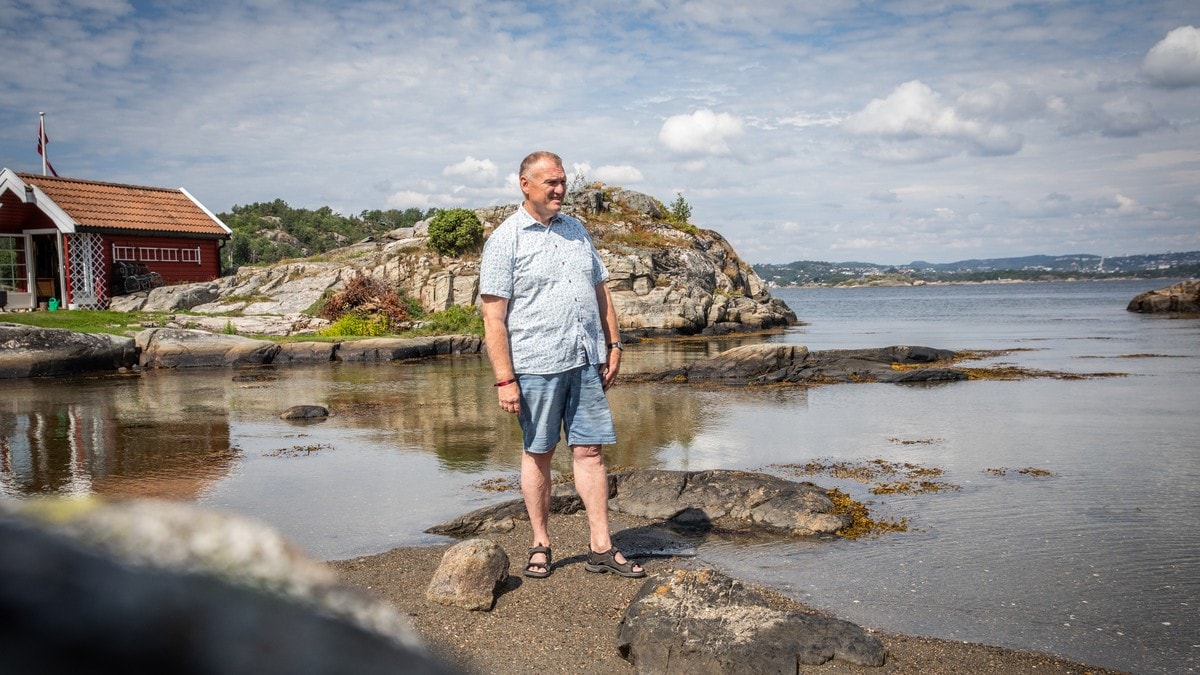
Approximately 200 kilometers of the Sørland coast in Norway are currently without mussel poisoning monitoring. This lack of testing has prompted concern from municipal doctor Viggo Lütcherath. The Norwegian Food Safety Authority (Mattilsynet) has advised the public against harvesting mussels due to potential toxins. However, Dr. Lütcherath argues that this advisory is too passive and insufficient to address the public health risk. He believes a more proactive approach is necessary to ensure the safety of those who might consume mussels from these unmonitored areas. The absence of regular testing leaves a significant stretch of coastline vulnerable, potentially exposing residents and visitors to harmful substances without adequate warning. Dr. Lütcherath's criticism highlights a perceived gap in public health surveillance for a popular coastal region. The situation underscores the importance of continuous monitoring programs to safeguard against foodborne illnesses.
The absence of routine toxicological monitoring for mussels along a 200-kilometer stretch of the Sørland coast presents a public health governance challenge. While the Norwegian Food Safety Authority's advisory serves as a general precaution, its passive nature, as criticized by municipal doctor Viggo Lütcherath, may not adequately mitigate risks in the absence of specific data. This situation raises questions about resource allocation for public health surveillance and the responsiveness of regulatory bodies to potential environmental hazards. Future approaches could involve leveraging predictive modeling or community-based monitoring initiatives to enhance early warning systems, ensuring that advisory measures are proportionate to the identified risks and that public safety is proactively protected in an era of increasing environmental variability.
AI-generated to prompt reflection — not editorial opinion, not advice, not a statement of fact. How this works.