SA and SS Personnel Files: "Suit Cleanliness: Good"
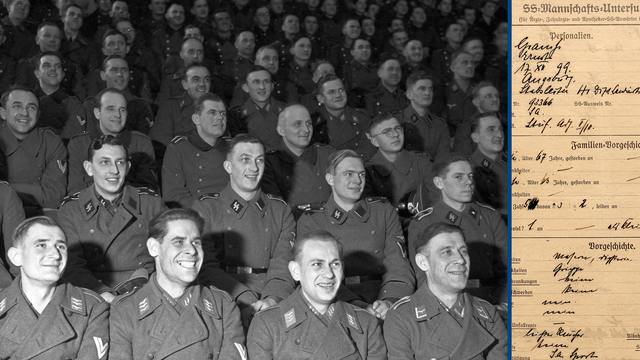
For decades, there has been a struggle over the SA and SS personnel files, millions of which have been published by the German newspaper DIE ZEIT. The article explores why this corrective to Nazi history is only now becoming accessible. These files contain detailed information about individuals who were part of the Sturmabteilung (SA) and Schutzstaffel (SS), two paramilitary organizations of the Nazi Party. The accessibility of these records is crucial for historical research and understanding the extent of Nazi involvement. The publication by DIE ZEIT represents a significant step in making this sensitive historical material available to the public and scholars. The long delay in accessibility suggests complex bureaucratic and potentially political hurdles that have prevented earlier release. The content of these files, including assessments like "Suit Cleanliness: Good," offers a chilling glimpse into the bureaucratic nature of these organizations and the mundane details recorded even for those involved in horrific acts. The ongoing debate and eventual release highlight the importance of confronting and meticulously documenting even the darkest chapters of history.
The delayed accessibility of SA and SS personnel files, despite their eventual massive publication by DIE ZEIT, highlights the enduring challenges in confronting and processing historical records from authoritarian regimes. The bureaucratic nature of the files, as indicated by seemingly trivial assessments, underscores the systemic integration of individuals into oppressive structures. This situation prompts reflection on the incentives for historical preservation versus concealment, and the evolving societal and political will required to unlock such archives. In the coming decade, as digital humanities and AI-driven analysis mature, the potential to extract nuanced insights from these vast datasets will increase, offering new perspectives on individual complicity and systemic organization. The process of making these records available serves as a crucial mechanism for historical accountability, encouraging a more complete understanding of the past to inform future governance and societal values.
AI-generated to prompt reflection — not editorial opinion, not advice, not a statement of fact. How this works.