SA and SS Personnel Files: Was Grandpa a Storm Leader? Family Research in Nazi Records
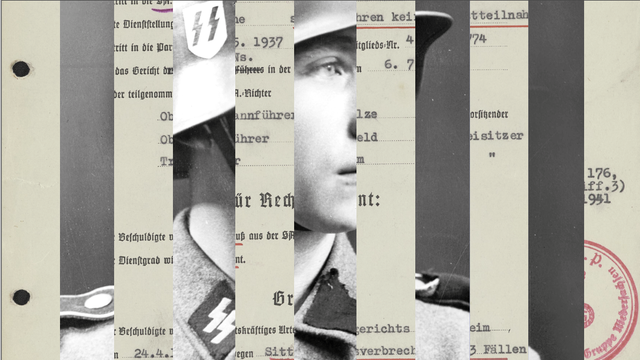
Following its digitization of 10 million Nazi Party membership cards, ZEIT ONLINE has now launched a searchable database of personnel files from the Sturmabteilung (SA) and Schutzstaffel (SS). This new resource allows individuals to research the roles and affiliations of family members within these notorious paramilitary organizations. The database aims to provide a comprehensive overview of individuals who were part of the SA and SS, offering insights into their activities and potential involvement in Nazi-era atrocities. Additionally, the publication highlights "war profiteers," individuals who allegedly benefited financially from the conflict and the Nazi regime. This initiative is part of a broader effort to make historical records accessible and to facilitate genealogical and historical research into Germany's past. The project underscores the importance of confronting historical truths and understanding the mechanisms of the Nazi state. Researchers and the public can now delve into these records to uncover personal histories connected to the SA and SS, contributing to a more complete understanding of the period.
The release of SA and SS personnel files, building upon the digitization of Nazi Party membership records, offers a significant opportunity for historical inquiry and personal genealogical research. By providing access to these sensitive documents, ZEIT ONLINE facilitates a deeper public engagement with the complexities of the Nazi era. This initiative enables individuals to investigate familial connections to organizations deeply implicated in historical atrocities, fostering a more nuanced understanding of individual responsibility within a totalitarian system. The focus on "war profiteers" also draws attention to the economic dimensions of the regime, highlighting how individuals and entities leveraged conflict for personal gain. Such projects are crucial for de-propagandizing historical narratives by grounding them in verifiable data, allowing for objective analysis of motivations, structures, and consequences. In the long term, increased accessibility to these records can contribute to a more robust historical memory, serving as a bulwark against historical revisionism and promoting a more informed public discourse on the enduring legacies of authoritarianism and its economic underpinnings.
AI-generated to prompt reflection — not editorial opinion, not advice, not a statement of fact. How this works.