Saaremaa Mass Grave Remains Unmarked Months After Reburial
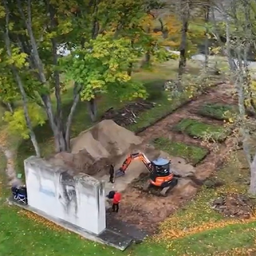
Months after the remains of 199 Estonians executed during the German occupation were reburied at the Saikla-Nõmme cemetery in Saaremaa, the mass grave remains unmarked. The director of the Estonian Jewish Museum, Gennadi Gramberg, described the current state of the cemetery as bleak. The reburial took place last November, but no monument or marker has been erected to identify the individuals interred there. This lack of identification raises concerns about the proper commemoration of victims of historical atrocities. The site holds the remains of individuals who were executed during the German occupation of Estonia. The absence of any indication at the grave site means that visitors and descendants may not know who is buried there. The situation highlights a potential oversight in the memorialization process following the reburial. Further action may be needed to ensure the site is appropriately marked and honored.
The unmarked mass grave at Saikla-Nõmme cemetery presents a challenge in historical remembrance and public commemoration. While the reburial of the 199 victims signifies a step towards acknowledging past events, the absence of clear identification raises questions about the efficacy of memorialization processes. Ensuring such sites are properly marked is crucial for historical education, honoring victims, and providing closure for descendants. Future efforts should focus on establishing clear protocols for marking historical graves, balancing the need for respectful commemoration with the practicalities of cemetery management and resource allocation. This situation underscores the importance of sustained public and institutional commitment to historical memory beyond the initial event of reburial.
AI-generated to prompt reflection — not editorial opinion, not advice, not a statement of fact. How this works.