Sabesp Fills Osasco Sinkhole, Reopens Two of Three Evacuated Homes
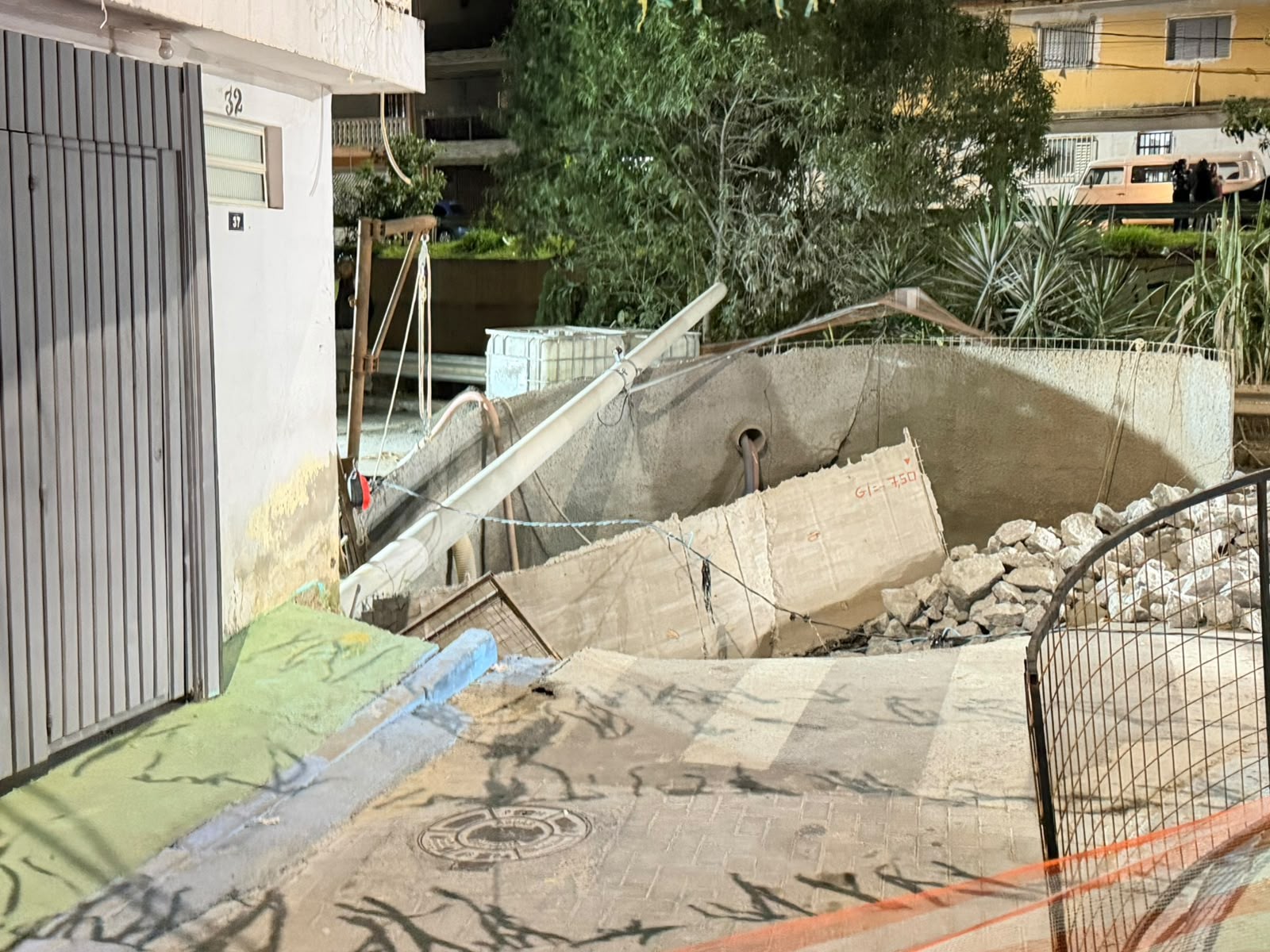
Companhia de Saneamento Básico do Estado de São Paulo (Sabesp) has completed filling a large sinkhole in Osasco, Greater São Paulo, and has provisionally repaired the asphalt surface. The sinkhole, which caused cracks in nearby homes, led to the evacuation of three residences on Sunday, September 14th. Sabesp announced that two of these homes have now been cleared for reoccupation, with one property still awaiting assessment by the relevant authorities. Work on the sewage collector, initiated in February for the region's stream pollution reduction project, has been temporarily halted to investigate the cause of the incident. Sabesp stated that operations will resume once the investigation concludes and a new completion timeline will be established. The company has committed to fully compensating for damages and providing individual support until all affected parties are satisfied.
This Osasco incident follows a pattern of issues during Sabesp projects across the metropolitan region. Recent months have seen road closures, pipe bursts, and ground subsidence in various cities, necessitating Civil Defense intervention and traffic diversions. Notable events include a water main rupture on July 6th in São Bernardo do Campo during sanitation system expansion work, and a gas leak in downtown São Paulo on June 4th, which Sabesp admitted was caused by employees not following safety protocols. This gas leak occurred shortly after Sabesp announced new safety measures, following a May incident in Jaguaré where a Sabesp construction project ruptured a gas line, resulting in two fatalities and extensive property damage to at least 46 buildings. The Jaguaré case remains under investigation.
Governor Tarcísio de Freitas has acknowledged these recurring problems, stating in June that the state would review Sabesp's construction procedures. He highlighted that the increased investment and simultaneous execution of approximately 1,200 Sabesp construction sites across the state necessitate a procedural review to ensure public safety. The São Paulo State Public Services Regulatory Agency (Arsesp) has launched its own investigation, dispatching a technical team to the Osasco site. Arsesp will monitor the situation and impose penalties if any irregularities or protocol violations are found, while also overseeing Sabesp's assistance to affected residents.
The recurring incidents involving Sabesp's infrastructure projects, ranging from sinkholes to gas leaks and fatalities, highlight systemic challenges in managing large-scale urban development. The state governor's acknowledgment of "1,200 construction sites" and the need to "review procedures" suggests a potential disconnect between accelerated investment goals and the capacity for robust operational oversight and safety protocol enforcement. The regulatory agency Arsesp's involvement signals an attempt to introduce accountability, but the effectiveness of sanctions will depend on their deterrent impact and the speed of corrective actions. Looking ahead, the integration of advanced risk assessment and real-time monitoring technologies within Sabesp's project management framework could mitigate future occurrences, particularly as the state aims to increase sanitation investments. The challenge lies in balancing rapid infrastructure expansion with the imperative of public safety and environmental integrity, a dynamic that will likely intensify in the coming decade.
AI-generated to prompt reflection — not editorial opinion, not advice, not a statement of fact. How this works.