Sachsen Faces 20 Regional Labor Disputes in 2025
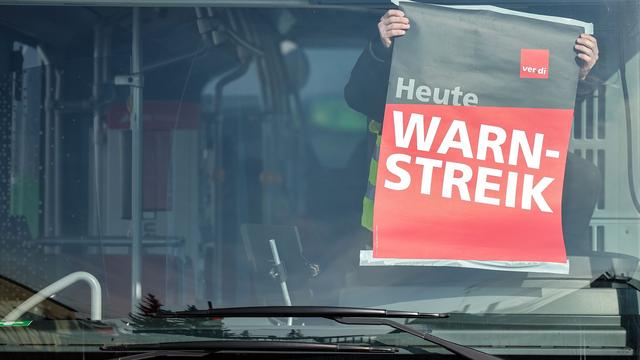
The labor market in Saxony is projected to experience a significant increase in industrial action, with an estimated 20 regional labor disputes anticipated for the year 2025. This forecast suggests a heightened level of conflict between employers and employees across various sectors within the German state. The specific industries or sectors most likely to be affected have not yet been detailed. However, such a projection typically indicates underlying tensions related to wages, working conditions, or job security. The potential for 20 distinct disputes highlights a widespread dissatisfaction or a strategic increase in collective bargaining efforts. This situation could lead to disruptions in local economies and supply chains if not effectively managed. The implications for businesses operating in Saxony include potential production halts and increased operational costs. For workers, it signifies a period of potential gains through negotiation but also risks associated with strikes. The overall economic climate and specific industry dynamics will play a crucial role in shaping the nature and outcome of these anticipated disputes.
The projection of 20 regional labor disputes in Saxony for 2025 suggests a potential shift in the industrial relations landscape. This increase in anticipated conflict may reflect underlying economic pressures, evolving worker expectations in the context of inflation and technological change, or a more assertive stance by labor unions. From a systemic perspective, such disputes often arise from misalignments in perceived value creation between capital and labor, or from governance structures that do not adequately address worker representation. The coming decade, marked by rapid AI integration and potential economic restructuring, could exacerbate these tensions if companies and policymakers do not proactively adapt labor models and social safety nets. Understanding the root causes and fostering more collaborative negotiation frameworks will be critical to mitigating widespread disruption and ensuring sustainable economic development in the region.
AI-generated to prompt reflection — not editorial opinion, not advice, not a statement of fact. How this works.