SADC Executive Secretary Urges Enhanced Regional Cooperation on Peace and Security
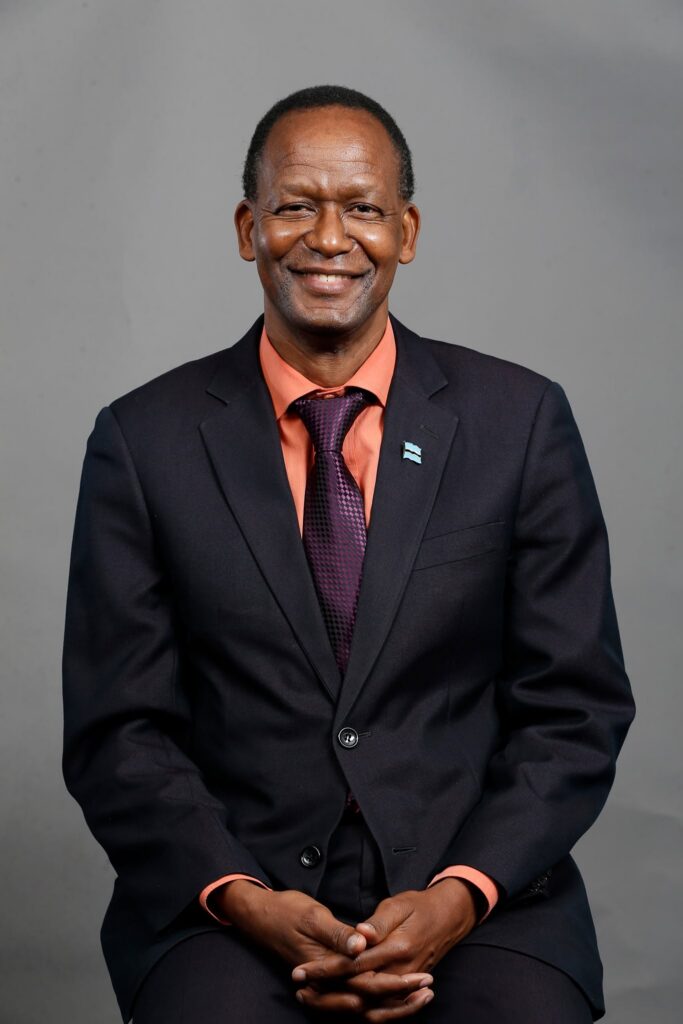
Elias Mpedi Magosi, the Executive Secretary of the Southern African Development Community (SADC), has called for increased regional cooperation to address peace and security challenges. Magosi made these remarks during his introductory address at the 28th Meeting of the Ministerial Committee of the SADC Organ on Politics, Defence and Security Cooperation. The meeting, held in Salima, Republic of Malawi, on July 16, 2026, brought together key officials to discuss critical regional issues. Among those present were His Honour Ndaba Gaolathe, the Vice President of the Republic of Botswana, and Honourable Emma Theofelus, Minister of Information. The SADC Organ on Politics, Defence and Security Cooperation is a crucial body responsible for maintaining stability and resolving conflicts within the region. Magosi's plea highlights the ongoing importance of collaborative efforts in navigating complex geopolitical landscapes and ensuring the collective security of member states. The discussions are expected to focus on strategies for bolstering existing mechanisms and fostering new approaches to regional security.
The call for stronger regional cooperation on peace and security by the SADC Executive Secretary underscores the persistent challenges in maintaining stability across the Southern African region. In an era increasingly defined by complex geopolitical shifts and the potential for asymmetric threats, SADC member states face the imperative to harmonize their security policies and operational frameworks. The effectiveness of such cooperation hinges on overcoming national interests that may diverge from collective security goals, ensuring equitable resource allocation for defense and intelligence, and establishing robust mechanisms for conflict prevention and resolution. Future success will likely depend on SADC's ability to adapt to evolving security paradigms, including the impact of climate change, transnational crime, and the digital domain, while fostering a shared commitment to democratic governance and human rights as foundational elements of lasting peace.
AI-generated to prompt reflection — not editorial opinion, not advice, not a statement of fact. How this works.