Sahara Dust Levels in Europe Skyrocket, Posing Health Risks
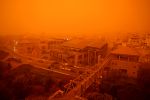
The concentration of desert dust in Europe's air has multiplied significantly over the past decade. This increase is directly linked to the rising frequency and intensity of heatwaves, which are a consequence of climate change. The phenomenon, primarily involving sand from the Sahara Desert, is having notable impacts on public health across the continent. Health authorities are increasingly concerned about the respiratory and cardiovascular effects of prolonged exposure to these fine particulate matters. The phenomenon exacerbates existing air quality issues, particularly in Southern and Central Europe, where the dust plumes often reach. Scientists are monitoring the trend closely, noting that the atmospheric transport of dust is becoming more efficient due to altered wind patterns associated with global warming. This trend poses a significant challenge for environmental agencies tasked with safeguarding air quality and public health. The long-term implications for ecosystems and human health are still being studied, but initial findings suggest a need for adaptive strategies to mitigate the adverse effects.
The escalating presence of Sahara dust in European air, linked to climate change-induced heatwaves, highlights a complex interplay between global environmental shifts and regional public health challenges. This phenomenon underscores the interconnectedness of atmospheric systems, where changes in one region can have tangible consequences elsewhere. The increased dust concentration necessitates a re-evaluation of air quality monitoring and public health advisories, particularly for vulnerable populations. Future strategies may need to incorporate climate adaptation measures alongside pollution control efforts. The long-term trend suggests a growing imperative for international cooperation on climate action to mitigate such cross-border environmental impacts and protect public well-being.
AI-generated to prompt reflection — not editorial opinion, not advice, not a statement of fact. How this works.