Sahel Alliance (AES) Develops Strategy for Future ECOWAS Negotiations
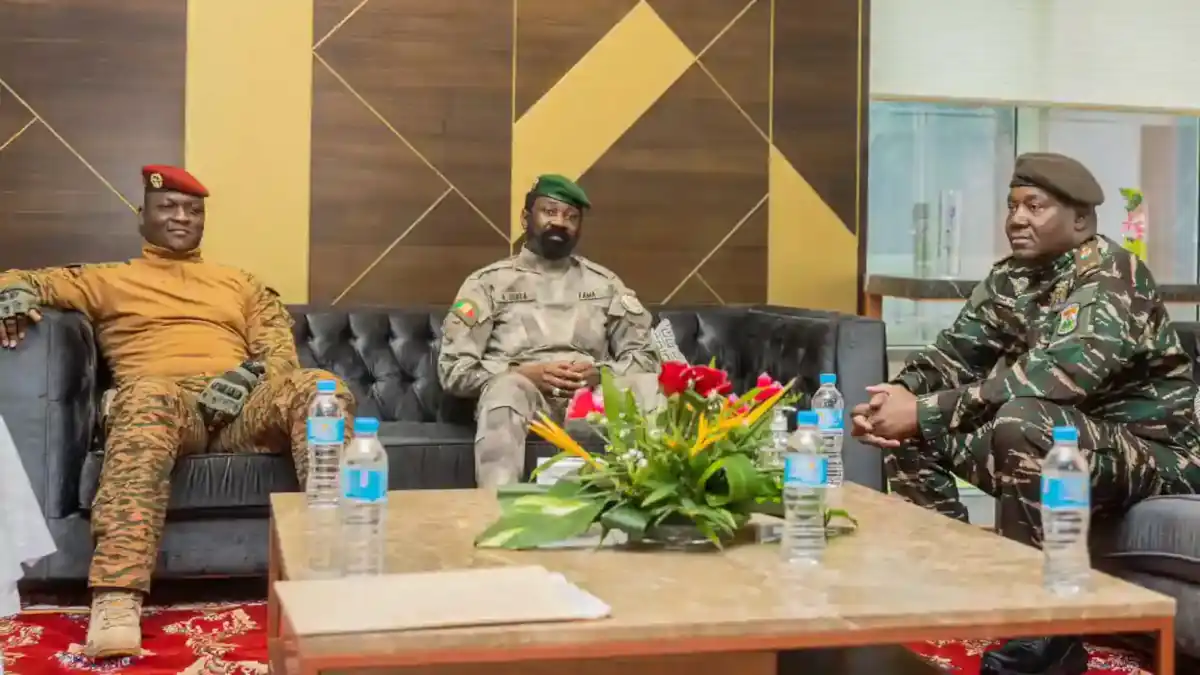
The Confederation of Sahel States (AES) is holding a three-day workshop in Ouagadougou, starting Tuesday, June 23rd. The event brings together experts, diplomats, and representatives from the three member countries. The primary goal is to establish a unified strategic framework for upcoming discussions with the Economic Community of West African States (ECOWAS). This initiative aims to define the AES's common position and objectives as it prepares to engage with the regional bloc. The workshop will focus on outlining the key areas for negotiation and the desired outcomes for the AES member states. Participants will work on developing concrete proposals and a clear roadmap for these future interactions. The AES, comprising Burkina Faso, Mali, and Niger, seeks to strengthen its collective bargaining power and ensure its interests are adequately represented in regional matters. This strategic alignment is seen as crucial for navigating complex regional dynamics and asserting the autonomy of the Sahelian nations.
The formation of the Sahel Alliance (AES) and its strategic planning for negotiations with ECOWAS reflects a growing trend of regional blocs seeking greater autonomy and asserting distinct interests within broader economic communities. This development highlights the complex interplay between national sovereignty and regional integration, particularly in regions facing security and economic challenges. The AES's move to define a common roadmap suggests a desire to leverage collective bargaining power, potentially reshaping the dynamics of inter-regional cooperation and decision-making. Future interactions will likely test the coherence of the AES's strategy and its ability to achieve its objectives amidst diverse member state priorities and external geopolitical influences. This process underscores the evolving architecture of African regionalism and the ongoing negotiation of power and influence among its constituent entities.
AI-generated to prompt reflection — not editorial opinion, not advice, not a statement of fact. How this works.