Sahel Confederation Rejects UN Report on Children in Armed Conflict
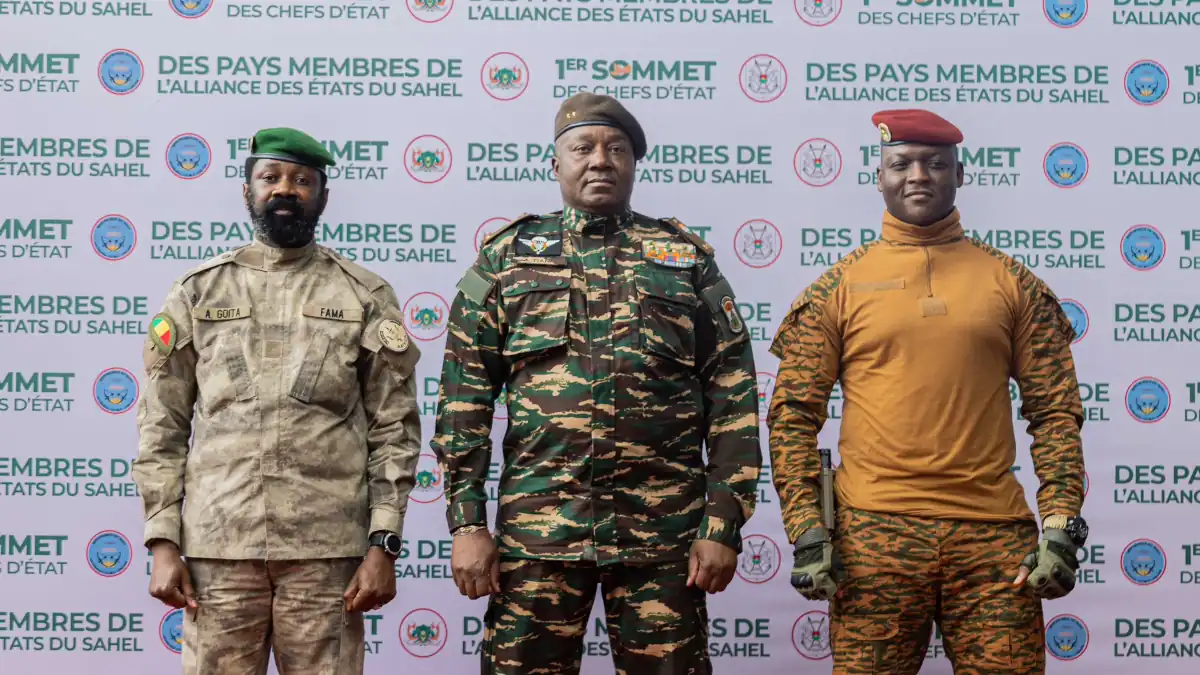
The Confederation of Sahel States (AES) has formally rejected the findings of the UN Secretary-General's report concerning children and armed conflict. This rejection was communicated during a UN Security Council session held on June 25, 2026, in New York. The official statement was delivered to the Security Council by the Ambassador of Burkina Faso. The AES's stance indicates a significant divergence from the UN's assessment of the situation regarding children affected by armed conflicts within the region. Further details on the specific points of contention within the report were not immediately available. This development highlights potential disagreements between regional blocs and international organizations on how to address complex humanitarian issues. The AES's decision to publicly disavow the report suggests a desire to assert its own narrative and potentially challenge the methodologies or conclusions presented by the UN.
The Sahel Confederation's rejection of the UN report on children in armed conflict suggests a strategic move to control the narrative surrounding regional security challenges. This action may stem from a desire to protect national sovereignty from external scrutiny or to present a different perspective on the root causes and impacts of conflict. The AES's stance invites scrutiny into the data collection and reporting mechanisms used by international bodies, as well as the potential for differing interpretations of complex on-the-ground realities. This divergence could impact future collaborative efforts in addressing humanitarian crises, emphasizing the need for greater dialogue and mutual understanding between regional actors and international organizations to ensure effective and locally-relevant solutions in the coming decade.
AI-generated to prompt reflection — not editorial opinion, not advice, not a statement of fact. How this works.