Sahrawi Refugees in Algeria Face Five Decades of Humanitarian Crisis
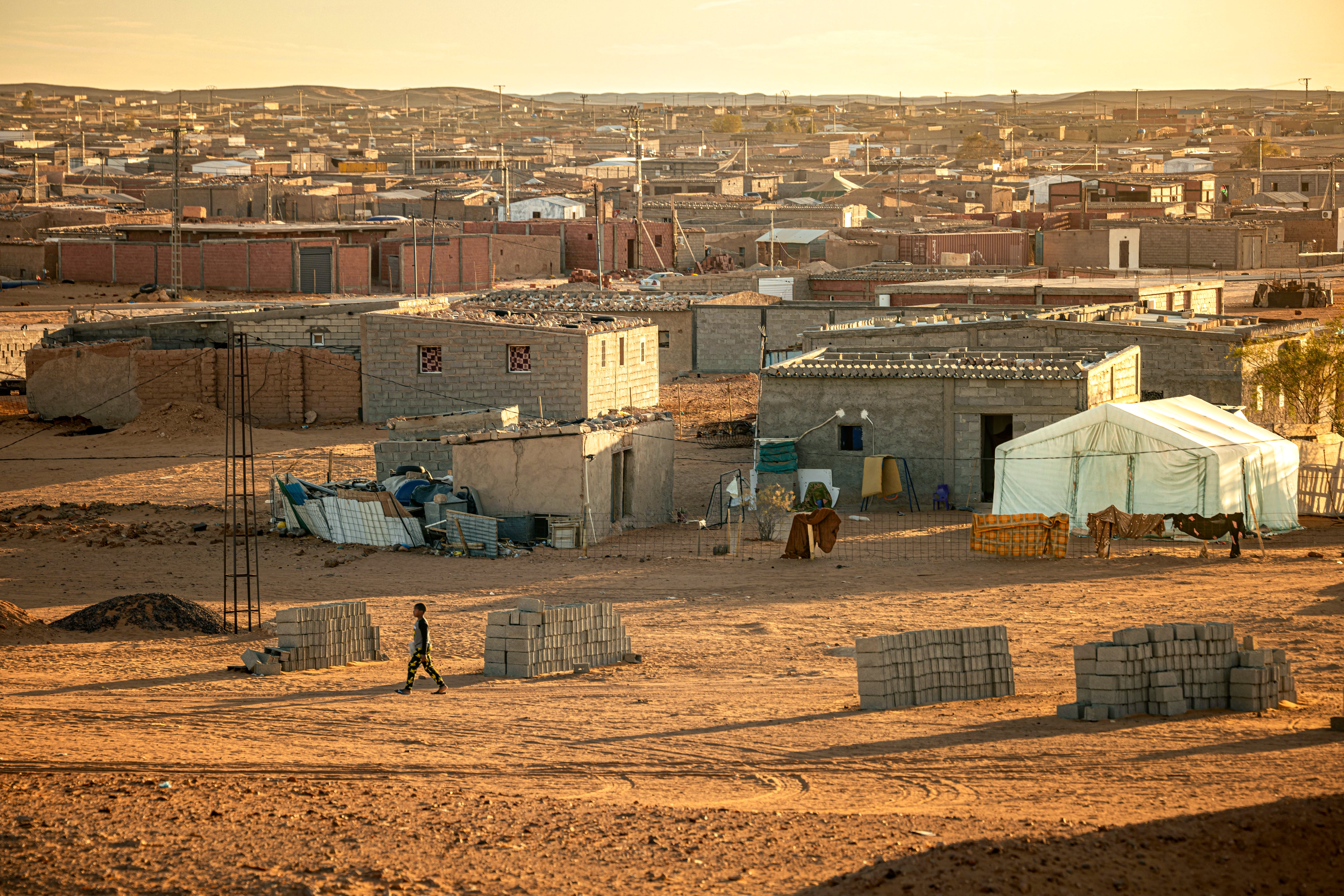
Approximately 173,000 Sahrawi people have been living in refugee camps in Tindouf, Algeria, for five decades. These camps were established following an exodus in 1975, trapping the population in a prolonged state of limbo. Their daily lives are critically dependent on humanitarian aid, which has become increasingly precarious. The situation highlights a long-standing humanitarian crisis with no clear resolution in sight, affecting a significant population caught between political circumstances and basic survival needs. The ongoing reliance on external aid underscores the vulnerability of the refugee community and the challenges in providing consistent support over such an extended period. The lack of a stable future weighs heavily on the residents, who have known no other reality than life in these desert encampments.
The protracted displacement of Sahrawi refugees in Tindouf, Algeria, for fifty years underscores a persistent geopolitical stalemate with profound humanitarian consequences. The reliance on increasingly precarious aid highlights systemic vulnerabilities in international refugee support mechanisms, particularly for long-term situations. This scenario prompts reflection on the sustainability of humanitarian assistance models and the imperative for durable solutions that address root causes rather than solely managing symptoms. Over the next decade, the intersection of climate change impacts on arid regions and evolving global aid priorities could further strain resources, necessitating innovative approaches to self-sufficiency and international advocacy for the Sahrawi people.
AI-generated to prompt reflection — not editorial opinion, not advice, not a statement of fact. How this works.