Saints and Hindu Organizations Outraged Over Maulana Zarjish's Remarks on Lord Krishna
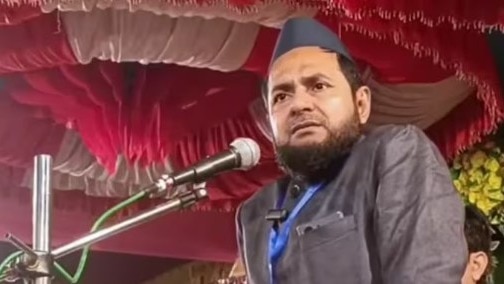
In Mathura, amidst the ongoing Shri Krishna Janmabhoomi dispute, a viral video featuring Maulana Zarjish Ansari has sparked significant anger among the saints and Hindu organizations of Braj. In the video, Maulana Zarjish Ansari described Lord Shri Krishna as a five-time namazi (one who offers prayers five times a day) and a Muslim. This statement has led to widespread outrage, with demands being made for strict legal action against the Maulana. The controversy stems from the sensitive religious and historical context of the Shri Krishna Janmabhoomi site, where claims and counter-claims often lead to heightened tensions. The remarks by Maulana Zarjish Ansari have been perceived as deeply offensive by the Hindu community, particularly within the religious heartland of Braj. Consequently, various religious leaders and community groups have united in their condemnation and are advocating for a firm response from the authorities to address the perceived insult.
This incident highlights the volatile intersection of religious claims and historical narratives in regions with contested heritage sites. The Maulana's statement, made within the context of the Shri Krishna Janmabhoomi dispute, appears to leverage provocative rhetoric that could escalate interfaith tensions. Such pronouncements, while potentially aimed at asserting a particular interpretation or narrative, risk inflaming public sentiment and undermining efforts toward peaceful coexistence. Future discourse surrounding these sensitive sites will likely benefit from a focus on verifiable historical evidence and respectful dialogue, rather than statements that provoke emotional responses and potentially alienate communities. The legal and social ramifications of such public statements underscore the need for careful consideration of their impact on societal harmony and the potential for unintended consequences in already charged environments.
AI-generated to prompt reflection — not editorial opinion, not advice, not a statement of fact. How this works.