Saints Demand 'Chief Servant' Over CEO for Ram Temple Amid Donation Controversy
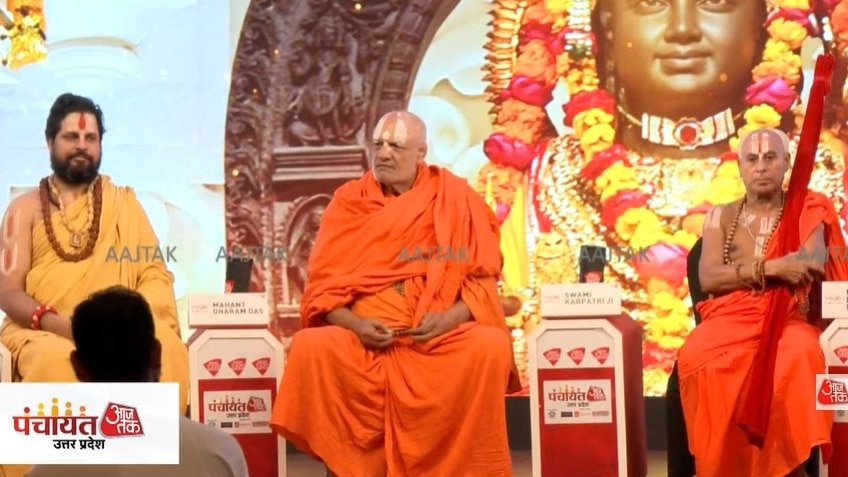
Following allegations of donation theft at the Ram Temple, an advertisement has been issued for the appointment of a Chief Executive Officer (CEO). The community of saints has voiced strong opposition to this CEO appointment. They argue that the temple requires a 'chief servant' or 'Ram Sevak' rather than a corporate-style executive. Their stance emphasizes a spiritual and devotional approach to managing the temple's affairs. The saints believe that an official or CEO would not align with the temple's core values and mission. Instead, they advocate for someone who embodies service and devotion to Lord Ram. This demand comes at a sensitive time, with the temple management facing scrutiny over financial matters.
The controversy surrounding the Ram Temple's management highlights a recurring tension between institutional governance and spiritual leadership in religious organizations. The demand for a 'chief servant' over a CEO reflects a desire to prioritize devotional ethos and service over secular administrative efficiency. This perspective suggests that the temple's primary function is spiritual, and its leadership should embody that principle. Such a distinction raises questions about how religious institutions balance financial accountability and operational effectiveness with their core spiritual mission. Future management models may need to integrate both administrative rigor and devotional commitment to address these evolving expectations and maintain public trust.
AI-generated to prompt reflection — not editorial opinion, not advice, not a statement of fact. How this works.