Salgueiro Bus Terminal Faces Neglect: Theft, Filth, and Delays Plague Passengers
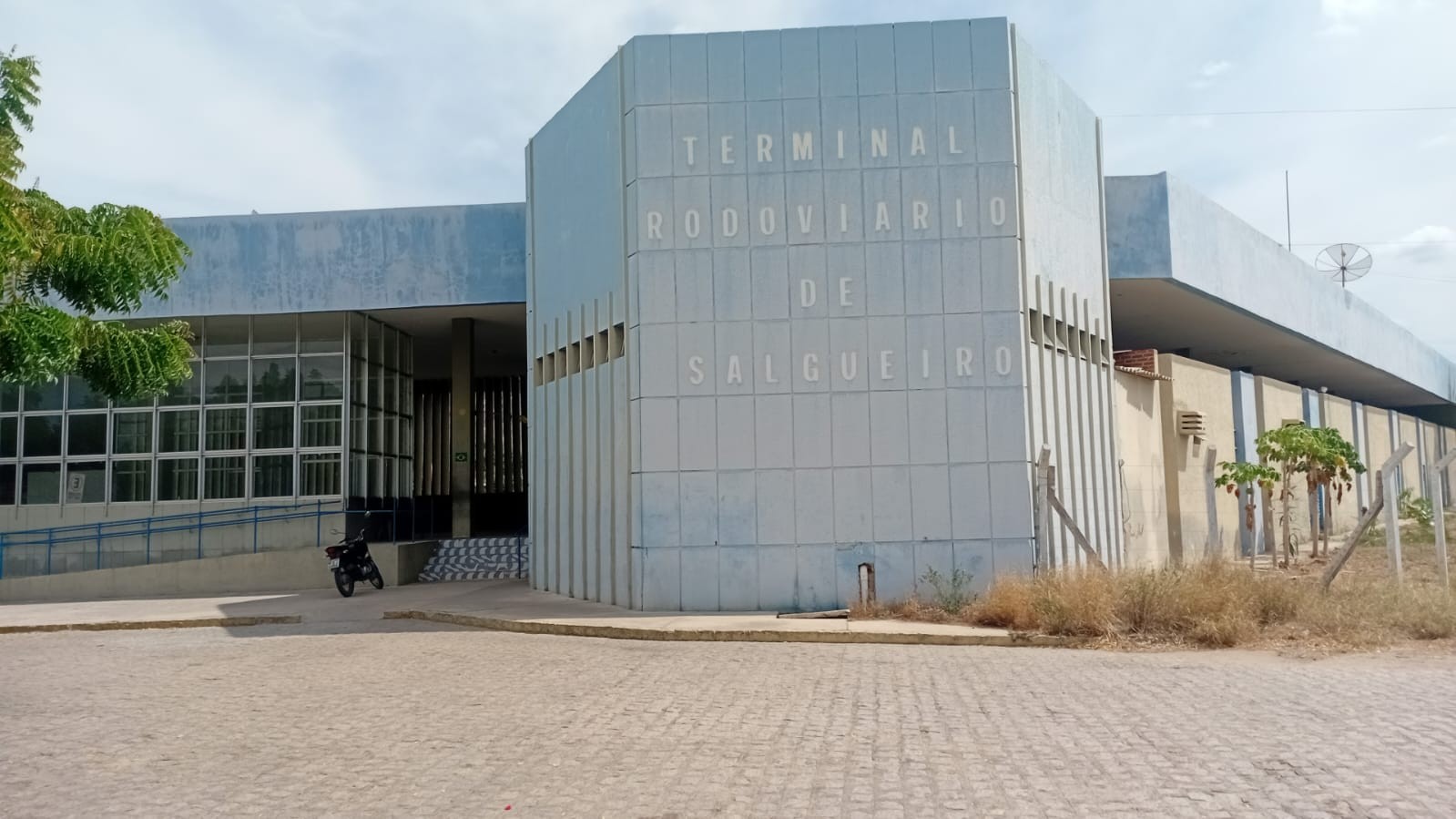
The bus terminal in Salgueiro, a vital transit hub connecting the Sertão region to Recife, is suffering from severe neglect, leading to widespread complaints from passengers and local merchants. Daily issues include pervasive insecurity, inadequate infrastructure, and constant bus delays. Passengers and shopkeepers alike are dealing with accumulating dirt, clogged restrooms, and stray animals within the terminal premises. Merchants report frequent break-ins at their stalls, with a lack of security being identified as a primary concern. One shop owner, Hildete Vitor de Souza, has filed two police reports in less than a month after her business was burglarized twice, with thieves stealing goods and money. She expressed frustration with the perceived ineffectiveness of reporting crimes, feeling that it leads to no tangible results or arrests. Students also highlight the poor lighting and general unsanitary conditions, citing unpleasant odors and the presence of intoxicated individuals as deterrents. The Civil Police stated they are investigating the reported thefts from June 22 and July 12, having opened an inquiry. The Military Police indicated that the terminal is located near a Federal Highway Police post and is included in daily patrol routes. The Empresa Pernambucana de Transporte Coletivo Intermunicipal (EPTI), responsible for the terminal, acknowledged the issues and announced a technical study for requalification is nearing completion, with bidding and construction anticipated for the second half of the year. EPTI has also requested increased police patrols and is addressing bus schedule adherence by notifying and inspecting transportation companies, providing contact information for passengers to report delays.
The situation at the Salgueiro bus terminal highlights systemic challenges in public infrastructure management, particularly concerning security and sanitation in transportation hubs. The reported break-ins and lack of effective policing suggest a potential disconnect between reported incidents and on-the-ground enforcement, possibly due to resource allocation or investigative capacity. The EPTI's acknowledgment and plans for requalification indicate a recognition of the problem, but the timeline for improvements, with bidding and construction in the second half of the year, means passengers and merchants will endure current conditions for an extended period. This scenario raises questions about proactive maintenance versus reactive solutions and the efficacy of current public-private partnerships in ensuring basic service standards. The long-term viability of such critical transit points hinges on consistent investment and responsive governance that prioritizes user safety and dignity.
AI-generated to prompt reflection — not editorial opinion, not advice, not a statement of fact. How this works.