Salmonella Outbreak Linked to Instant Noodles Infects 106 Across Europe
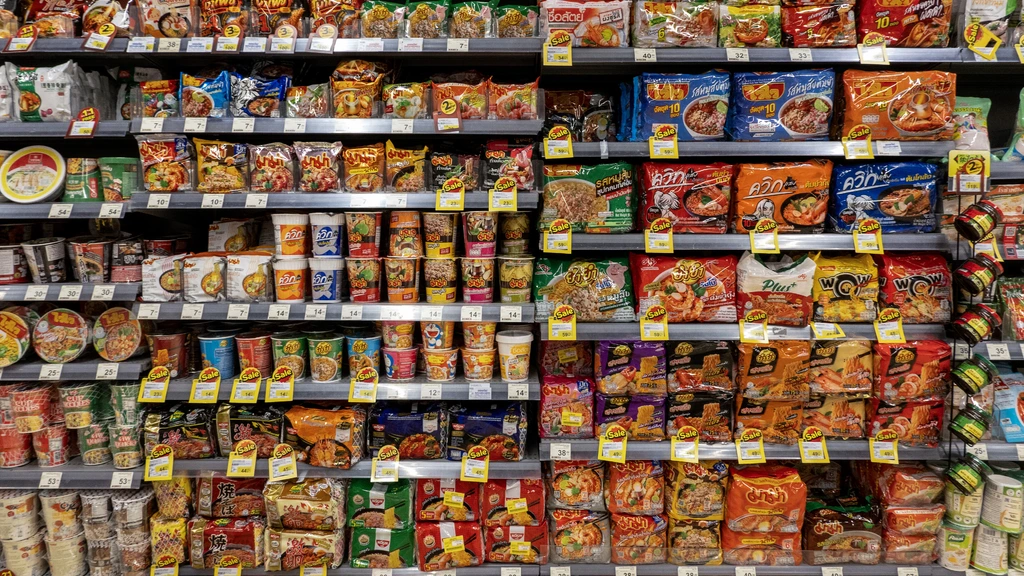
A Salmonella outbreak has affected 106 individuals across fourteen European countries, including the Netherlands, following the consumption of instant noodles. The European Food Safety Authority (EFSA) and the European Centre for Disease Prevention and Control (ECDC) have reported on the widespread contamination. While the exact number of cases in the Netherlands remains undisclosed, the total number of infections across Europe exceeds one hundred. The first cases were identified in November, with at least 49 individuals requiring hospitalization. Salmonella infections can cause severe nausea, abdominal cramps, and diarrhea, posing a significant risk to vulnerable populations such as pregnant women, young children, the elderly, and those with compromised immune systems. For healthy individuals, the infection is typically not dangerous. Investigations trace the outbreak to a manufacturer in Eastern Europe, though specific company names were not immediately released by EU agencies. The news agency AP reported that Reeva Foods, a company specializing in ready-to-eat meals, acknowledged a potential Salmonella detection in a batch of its noodles intended for the Baltic market. This batch was produced by the Ukrainian company Euro Food Service. The noodles examined by the ECDC originated from Germany and Lithuania. Reeva Foods products are notably available in Dutch supermarkets, particularly those catering to Eastern European consumers.
This incident highlights the complex global supply chains inherent in the food industry and the critical role of regulatory bodies like EFSA and ECDC in monitoring and responding to foodborne illnesses. The widespread nature of the outbreak across multiple EU member states underscores the challenges of ensuring consistent food safety standards, especially when production occurs outside the EU. The involvement of multiple intermediaries and differing points of origin for affected products (Ukraine for production, Germany and Lithuania for ECDC-examined batches) complicates traceability and accountability. Future food safety frameworks may need to enhance pre-market scrutiny and real-time monitoring of ingredients and finished products originating from regions with potentially less stringent oversight, balancing consumer protection with the economic realities of international trade.
AI-generated to prompt reflection — not editorial opinion, not advice, not a statement of fact. How this works.