Salmonella: Transmission, Symptoms, and Prevention Amidst Outbreak
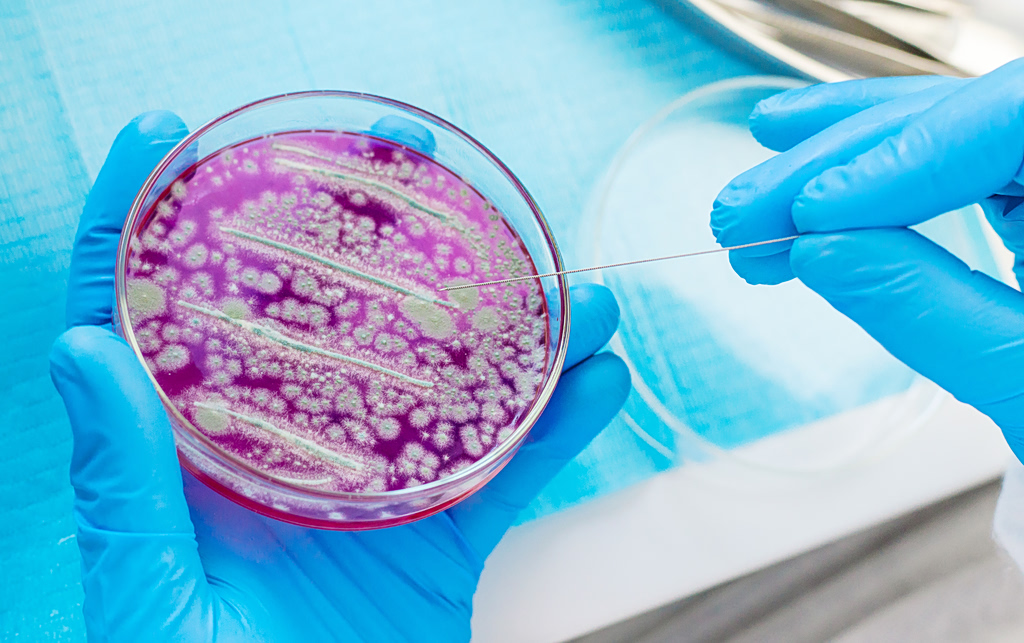
Salmonella, also known as salmonellosis, is a bacterial infection caused by bacteria of the genus Salmonell. It poses a public health concern due to its potential for severe illness, which can be fatal in rare instances. This information addresses how salmonella is transmitted, how it is diagnosed, and methods for prevention, particularly in light of a recent surge in cases in Larissa, Greece. The infection primarily spreads through contaminated food and water, often from raw or undercooked animal products like eggs, poultry, and meat. It can also be transmitted through direct or indirect contact with infected animals, especially reptiles and birds, or through fecal-oral routes from infected individuals. Symptoms typically appear 6 to 72 hours after infection and include diarrhea, fever, and abdominal cramps. While most individuals recover without specific treatment within a few days, severe cases may require hospitalization for rehydration and antibiotics. To protect against salmonella, thorough handwashing after handling raw meat or eggs and before eating is crucial. Proper cooking of all animal products to recommended internal temperatures is essential, as is avoiding cross-contamination between raw and cooked foods. Consuming pasteurized dairy products and juices also reduces risk. Public health authorities are monitoring the situation in Larissa to implement control measures and public awareness campaigns.
The public health alert regarding Salmonella in Larissa highlights the persistent challenge of foodborne pathogens in densely populated areas. The bacterial genus Salmonell, while well-understood, continues to pose a risk due to factors such as agricultural practices, food supply chain complexities, and consumer handling habits. Addressing outbreaks requires a multi-pronged approach, encompassing rigorous food safety inspections, public education on hygiene and proper food preparation, and swift diagnostic capabilities. The potential for severe outcomes, though rare, underscores the importance of accessible healthcare and timely medical intervention. Future mitigation strategies may benefit from enhanced surveillance technologies and potentially more resilient food processing and distribution systems to minimize contamination risks across the broader European context.
AI-generated to prompt reflection — not editorial opinion, not advice, not a statement of fact. How this works.