Salvador Bus Routes Rerouted Due to Largo da Madragoa Renovation Starting July 13
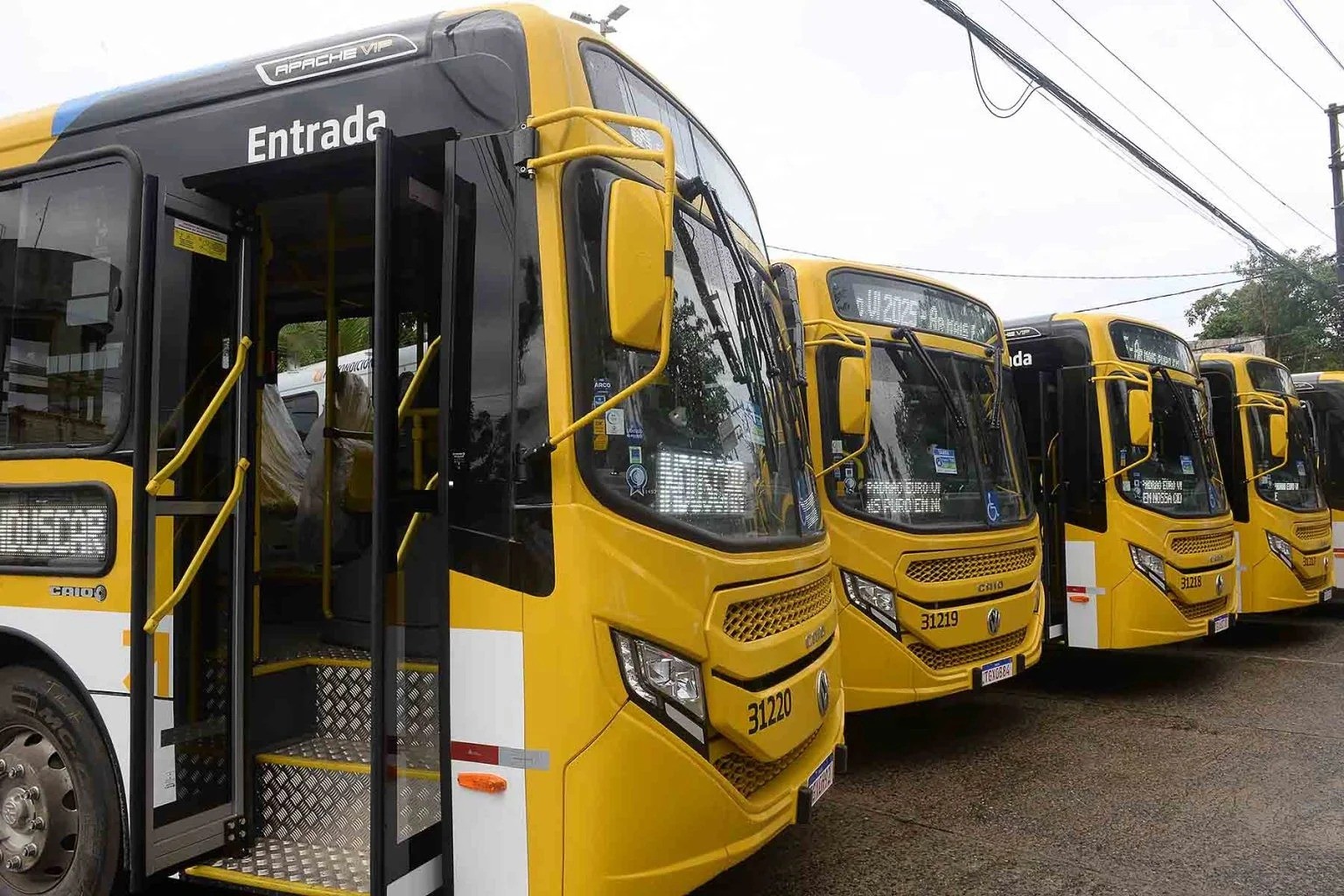
Starting Monday, July 13, bus routes in Salvador's Cidade Baixa district will experience itinerary changes due to ongoing renovation work at Largo da Madragoa. The Municipal Secretariat of Mobility (Semob) announced these adjustments, which include route diversions and the establishment of a temporary boarding and alighting point. The Public Works Superintendency of Salvador (Sucop) is overseeing the project, which will be executed in two phases.
The first phase, from July 13 to August 2, will see a section of Largo da Madragoa operate under a shared two-way traffic system. During this time, buses arriving from the Ribeira region will temporarily use a stop on Rua Padre Ignácio de Azevedo. Routes heading towards Largo do Papagaio from Itapagipe and Ribeira will be rerouted via Rua da Penha, Rua Léllis Piedade, Largo da Madragoa, Rua Padre Ignácio de Azevedo, and Rua Visconde de Caravelas before resuming their normal paths.
The second phase, scheduled from August 3 to August 23, will restrict traffic in Largo da Madragoa to the neighborhood-to-city center direction. Consequently, buses traveling towards the city center from the neighborhood will be diverted through Largo do Papagaio, utilizing Rua Travasso de Fora, Rua Antônio Muniz, Avenida Porto dos Mastros, Rua Porto dos Tainheiros, and Largo da Ribeira before rejoining their regular routes. Semob officials and Integra teams will be present to guide passengers and drivers through the changes and the temporary stop.
The renovation of Largo da Madragoa in Salvador necessitates temporary adjustments to public transportation, impacting commuter routes and schedules. This situation highlights the inherent trade-offs between urban infrastructure development and the immediate convenience of citizens. While such projects aim for long-term improvements in urban functionality and aesthetics, the short-term disruptions reveal the critical need for robust public communication and flexible transit management. Future urban planning could benefit from integrating more dynamic rerouting strategies and advanced passenger information systems to mitigate the impact of construction on daily commutes, ensuring that necessary civic improvements do not disproportionately burden the public.
AI-generated to prompt reflection — not editorial opinion, not advice, not a statement of fact. How this works.