Salvador Cemeteries Face Neglect: Discarded Coffins and Overgrown Sites Draw Resident Complaints
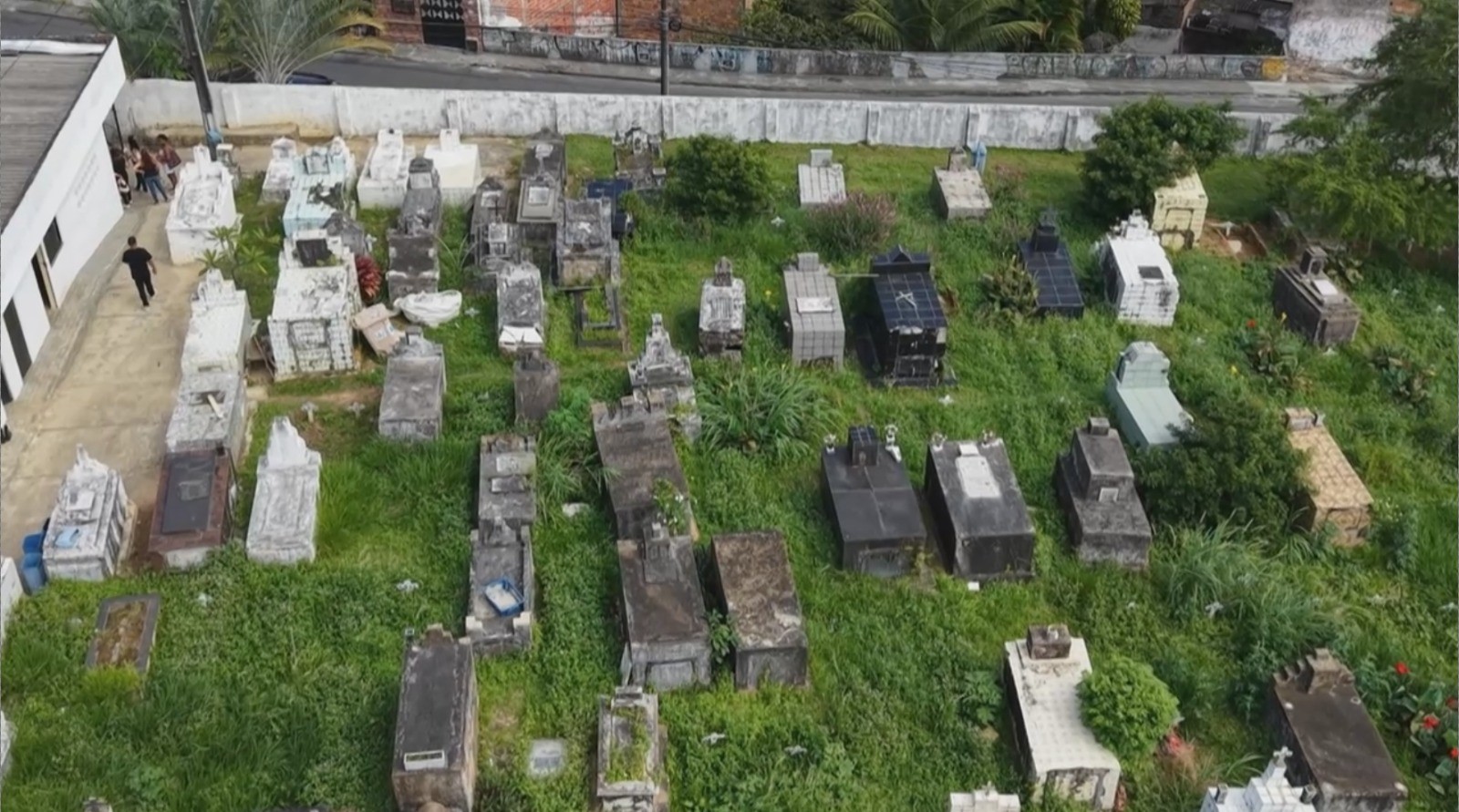
Residents and families in Salvador, Brazil, are raising alarms about the deteriorating conditions in public cemeteries, specifically the Plataforma and Periperi Municipal Cemeteries. Complaints highlight widespread neglect, including the open-air disposal of used coffins, overgrown vegetation, lack of maintenance, and hazardous access routes. Images from the Plataforma cemetery reveal dozens of discarded coffins in an open area near a street wall, some covered by tarps and others exposed, leading to foul odors and insect infestations. Local residents report constant issues with mosquitoes and the spread of disease. Environmental engineer Gabriela de Toledo described the situation as "inadequate handling of cemetery waste," noting the potential for water accumulation and vector proliferation, and calling it a "very sad scenario of environmental management negligence."
Further issues include broken tombs and the presence of rodents, creating a distressing environment for mourners. In Periperi, residents face similar problems with dense vegetation, dilapidated structures, and unsafe pathways, including a broken staircase and slippery ramp used for access. The state of the cemeteries has prompted concerns about public health and safety, with residents questioning how authorities are managing these essential public spaces. Salvador operates 21 cemeteries, with ten managed by the municipality, ten private, and one by the state government.
The Municipal Secretariat of Public Order (Semop) acknowledged the issues and stated that measures are being taken. They indicated that vegetation control is handled by Limpurb on a periodic schedule, and exhumed coffin waste is temporarily stored before being sent to a sanitary landfill. Semop also attributed increased mosquito presence to rainy periods and irregular waste disposal by individuals within cemeteries, and mentioned ongoing coordination with the Zoonosis Control Center for pest control. The secretariat claims to be working with other agencies to ensure the proper maintenance and functioning of municipal cemeteries.
The reported conditions in Salvador's public cemeteries suggest a systemic breakdown in municipal waste management and infrastructure maintenance, potentially driven by underfunding or inefficient resource allocation. The open disposal of exhumed coffins poses significant public health risks, creating breeding grounds for disease vectors and contravening established environmental regulations for hazardous waste. This situation highlights a critical failure in governance, where basic public services are neglected, impacting community well-being and dignity during times of mourning. Looking ahead, the integration of AI-driven predictive maintenance and waste management systems could offer more proactive solutions, optimizing resource deployment and ensuring compliance with health and environmental standards, thereby preventing such public health crises and demonstrating responsible stewardship of public spaces.
AI-generated to prompt reflection — not editorial opinion, not advice, not a statement of fact. How this works.