Salvador Eases Registration for Single Residents in Bolsa Família and BPC Programs
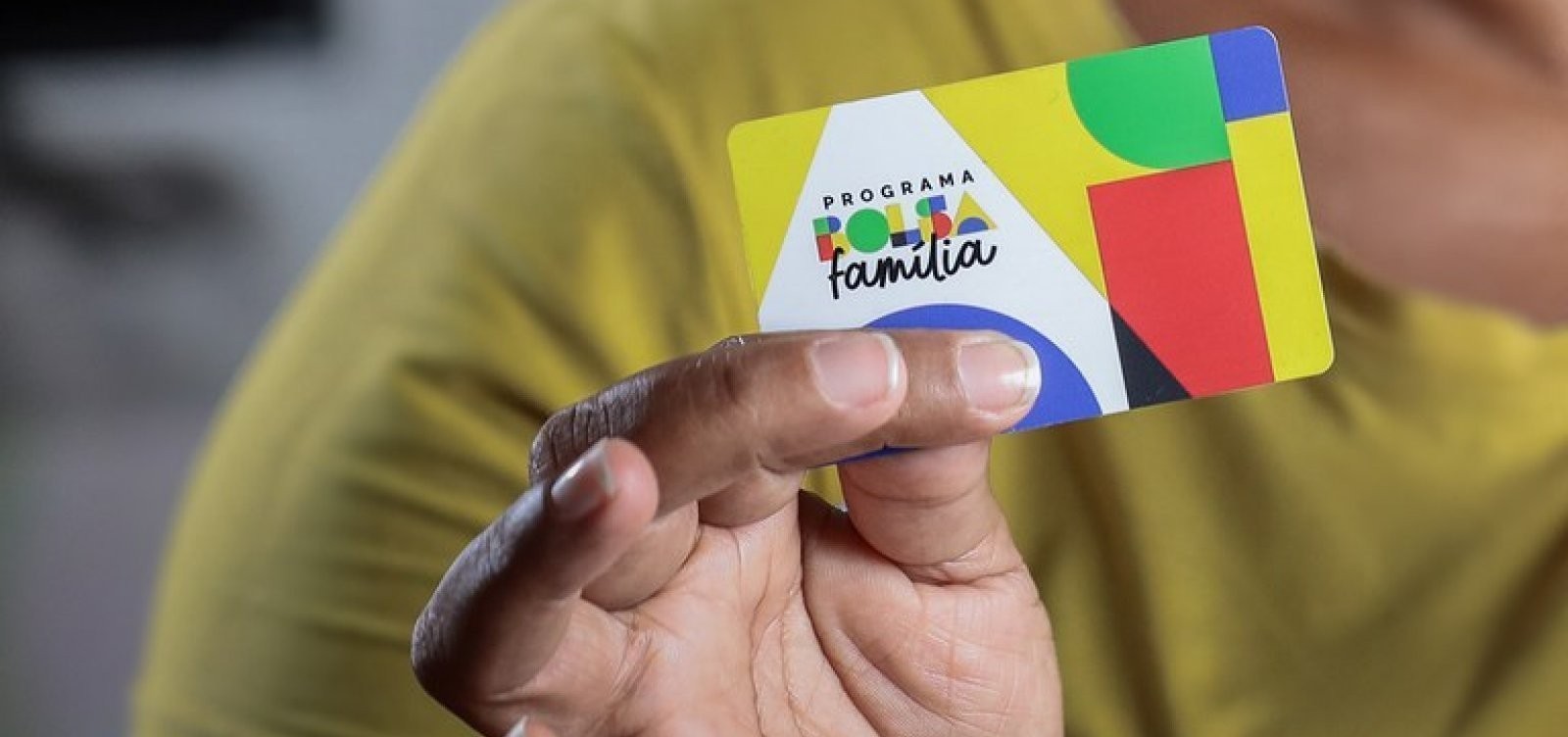
The Federal Government, through a directive from the Ministry of Development and Social Assistance, Family and Fight Against Hunger (MDS), has announced a significant change for single residents in Salvador seeking to update their Cadastro Único (CadÚnico) for the Benefício de Prestação Continuada (BPC) or Bolsa Família programs. Effective immediately and valid until July 2027, these individuals will no longer be required to undergo a home visit for their registration updates. The update can now be completed in person at designated Cadastro Único service points across the city. Home interviews will remain mandatory only for new Bolsa Família applications, cases under cadastral verification due to suspected irregularities, and during investigations of potential data inconsistencies. Salvador's Municipal Secretary for Social Promotion, Combating Poverty, Sports, and Leisure, Júnior Magalhães, highlighted that the city offers 52 walk-in service points for Cadastro Único, including the central unit in Comércio and decentralized units in Cajazeiras, Pau da Lima, and Subúrbio, along with various CRAS, CREAS, Prefeituras-Bairro, Centros POP, and Popular Restaurants. To complete the registration or update details, the family head must present their CPF, a photo ID, and proof of residence. Original documents for all family members, especially their CPFs, are also recommended. The municipality emphasizes that registration does not guarantee automatic entry into Bolsa Família or BPC; eligibility depends on federal criteria, budget availability, and program selection processes. As of June 2026, Salvador has 595,913 registered families, including 229,492 single-person households. The city also reports 498,325 families with updated cadastrations, 293,955 Bolsa Família beneficiaries, and 74,781 single-person households receiving the program's benefits.
This policy adjustment streamlines access to essential social programs for vulnerable single-person households in Salvador, potentially reducing administrative burdens and improving program efficiency. By temporarily waiving the home visit requirement for updates, the initiative addresses logistical challenges and aims to prevent benefit interruptions for a specific demographic. The extended validity until July 2027 suggests a pilot or a phased implementation strategy, allowing for evaluation of its impact on program reach and integrity. Future considerations might include assessing the long-term sustainability of this streamlined process and its scalability to other municipalities, while continuously monitoring for any emergent risks of irregular access to benefits. The data on registered and beneficiary households provides a baseline for measuring the policy's effectiveness in Salvador's specific socio-economic context.
AI-generated to prompt reflection — not editorial opinion, not advice, not a statement of fact. How this works.