Salvador exhibition inspired by '3 Obás de Xangô' documentary opens August 2
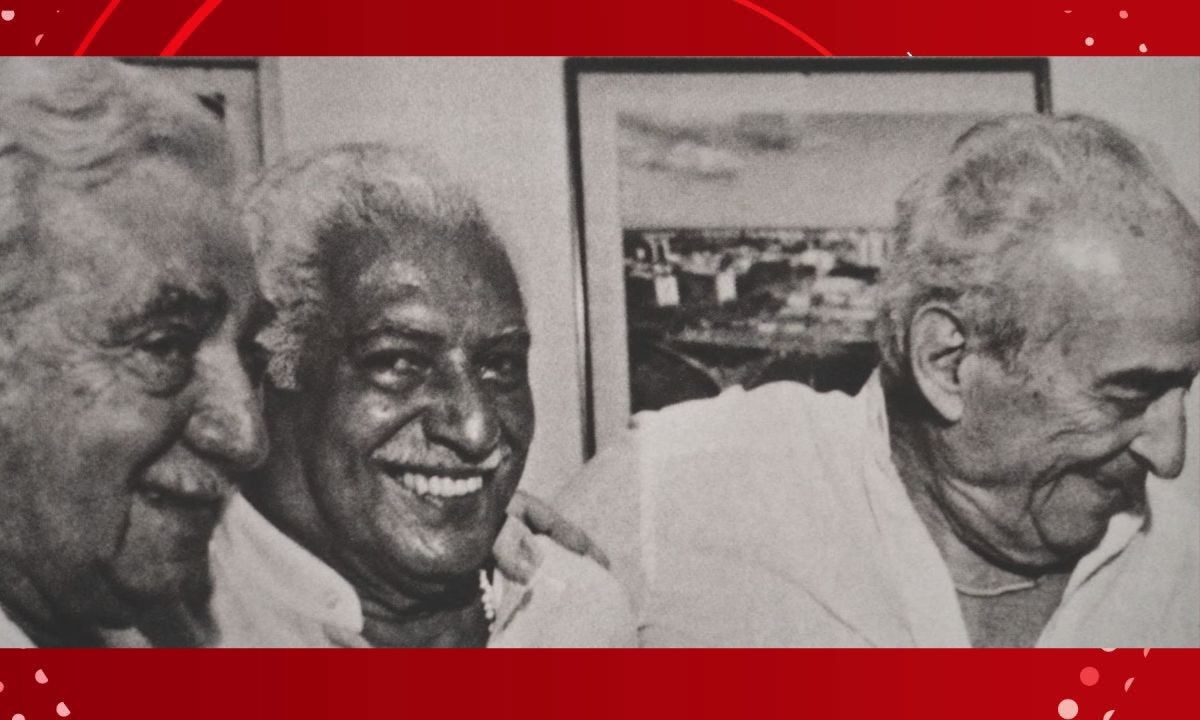
An exhibition inspired by the documentary "3 Obás de Xangô" will open on Sunday, August 2, at Caixa Cultural in Salvador's Pelourinho district. The documentary, released in August 2025, focuses on the transformative friendship between renowned figures Jorge Amado, Dorival Caymmi, and Carybé. These three friends were honored with the title of Obás de Xangô by the Ilê Axé Opô Afonjá, recognizing their deep connection to religiosity, art, and the cultural identity of Bahia. The exhibition, curated by Tiago Sant’Ana, Mariana Vaz, Solange Bernabó, and Gildeci Leite, features works celebrating their bond.
The exhibition includes historical documents and records from over 45 artists across visual arts, music, literature, and photography. These materials offer diverse perspectives on the legacy of Amado, Caymmi, and Carybé, highlighting the significant role of Candomblé and female leadership in shaping Bahian and Brazilian cultural imagination. The exhibition is organized into thematic sections exploring matriarchy in Afro-diasporic religions, the knowledge of axé communities, the symbolism of Xangô, the friendship of the honorees, and contemporary Afro-Brazilian artistic expressions. The exhibition is free to visit from Tuesday to Sunday and on holidays, between 9 AM and 6 PM.
This exhibition and its accompanying documentary highlight the cultural significance of the friendship between Jorge Amado, Dorival Caymmi, and Carybé, and their connection to Afro-Brazilian religious and cultural heritage. By focusing on their roles as Obás de Xangô, the narrative emphasizes the importance of Candomblé and female leadership in shaping cultural identity. The exhibition's thematic structure, including matriarchy and axé community knowledge, offers a platform for exploring these often underrepresented aspects of Brazilian culture. Such initiatives can foster a deeper understanding and appreciation of Afro-diasporic influences, potentially encouraging greater inclusivity and recognition within the broader cultural landscape. Examining these historical and artistic connections through a contemporary lens can also illuminate ongoing dialogues about heritage, identity, and representation in Brazil.
AI-generated to prompt reflection — not editorial opinion, not advice, not a statement of fact. How this works.